
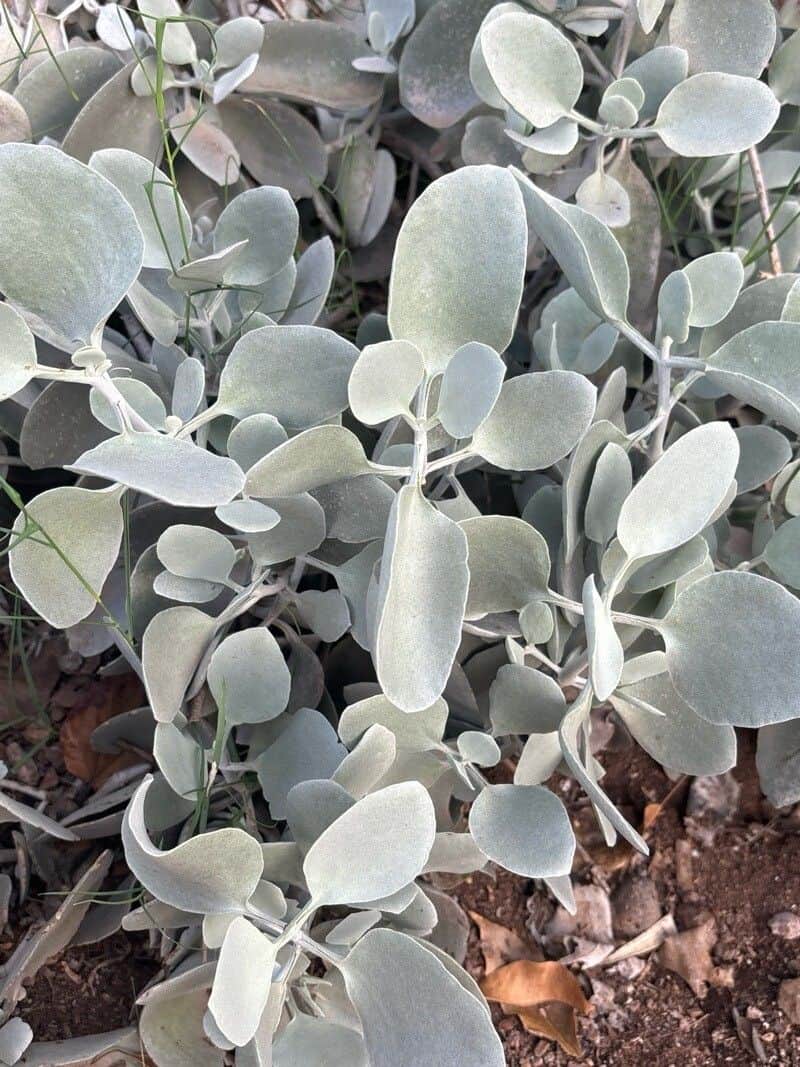
The Two Faces of Kalanchoe bracteata Propagation: Seeds vs. Cuttings
Kalanchoe bracteata, also endearingly known as the Silver Teaspoons plant, charms us with its silvery foliage and vibrant, long-lasting blooms. But did you know this beauty is surprisingly easy to propagate? That’s right, you can expand your succulent collection or share the joy of this plant with friends, all thanks to the power of propagation!
While Kalanchoe bracteata can be grown from seeds, the process can be a bit more challenging and unpredictable. So, let’s focus on the two most common and successful methods: propagation from cuttings and from offsets (also known as plantlets).
Method 1: Mastering the Art of Stem Cuttings
This method utilizes the plant’s natural ability to sprout roots from stem segments. Here’s how you can do it:
1. Timing is Key: The best time for taking stem cuttings is during the plant’s active growing season, typically spring or early summer.
2. Tools of the Trade: Gather a pair of clean, sharp pruning shears or a sharp knife, a small pot, well-draining potting mix (specifically formulated for succulents or cacti), and a spray bottle filled with water.
3. Choosing the Right Cutting: Select a healthy stem that is at least 3-4 inches long. Ideally, choose one that doesn’t have any flowers on it.
4. Making the Cut: Using your clean shears, make a cut just below a leaf node (the point where the leaf attaches to the stem). Remove any leaves from the bottom inch of the cutting to prevent rot.
5. Let the Healing Begin: Allow the cut end of your stem cutting to callous over. This usually takes a few days. You’ll know it’s ready when the cut end looks dry and slightly puckered.
6. Potting Time: Fill your pot with the well-draining potting mix. Moisten the soil slightly. Use your finger or a pencil to create a small indentation in the center. Gently insert the calloused end of the cutting into the hole, burying it about an inch deep. Lightly firm the soil around the cutting.
7. Bright Light, No Direct Sun: Place your potted cutting in a well-lit area that receives bright, indirect sunlight. Avoid direct sun exposure, which can scorch the newly planted cutting.
8. Water Sparingly: Water the soil lightly only when it feels dry to the touch. Remember, succulent cuttings are susceptible to overwatering, so err on the side of caution.
9. Patience is a Virtue: Rooting time can vary, but you should see new growth emerging in about 4-6 weeks, a sign that your cutting has successfully rooted!
Method 2: The Offspring Advantage – Propagating from Offsets
Kalanchoe bracteata, like many succulents, produces tiny plantlets or offsets at the base of the mother plant. These little replicas are your ticket to propagation success!
1. Identifying the Right Offsets: Look for plantlets that have developed a few leaves and a small root system of their own.
2. Gently Does It: Once you’ve identified suitable offsets, gently detach them from the mother plant. You can use your fingers or a clean, sharp knife. Make sure to get as much of the offset’s root system as possible.
3. Potting Up Your Offsets: Plant the offsets in small pots filled with well-draining potting mix, similar to the stem cutting method. Water lightly and place in bright, indirect sunlight.
4. Watching Them Thrive: With minimal care, your offsets will establish themselves quickly and reward you with new growth.
Tips for Success:
- Always use clean tools to prevent the spread of diseases.
- Avoid overwatering, as succulents are prone to root rot.
- Be patient! Propagation takes time, so don’t get discouraged if you don’t see results immediately.
Propagating your Kalanchoe bracteata is a rewarding experience that allows you to multiply your plant collection and share the beauty of this incredible succulent with others. So, grab your gardening gloves, choose your preferred method, and get ready to propagate!