
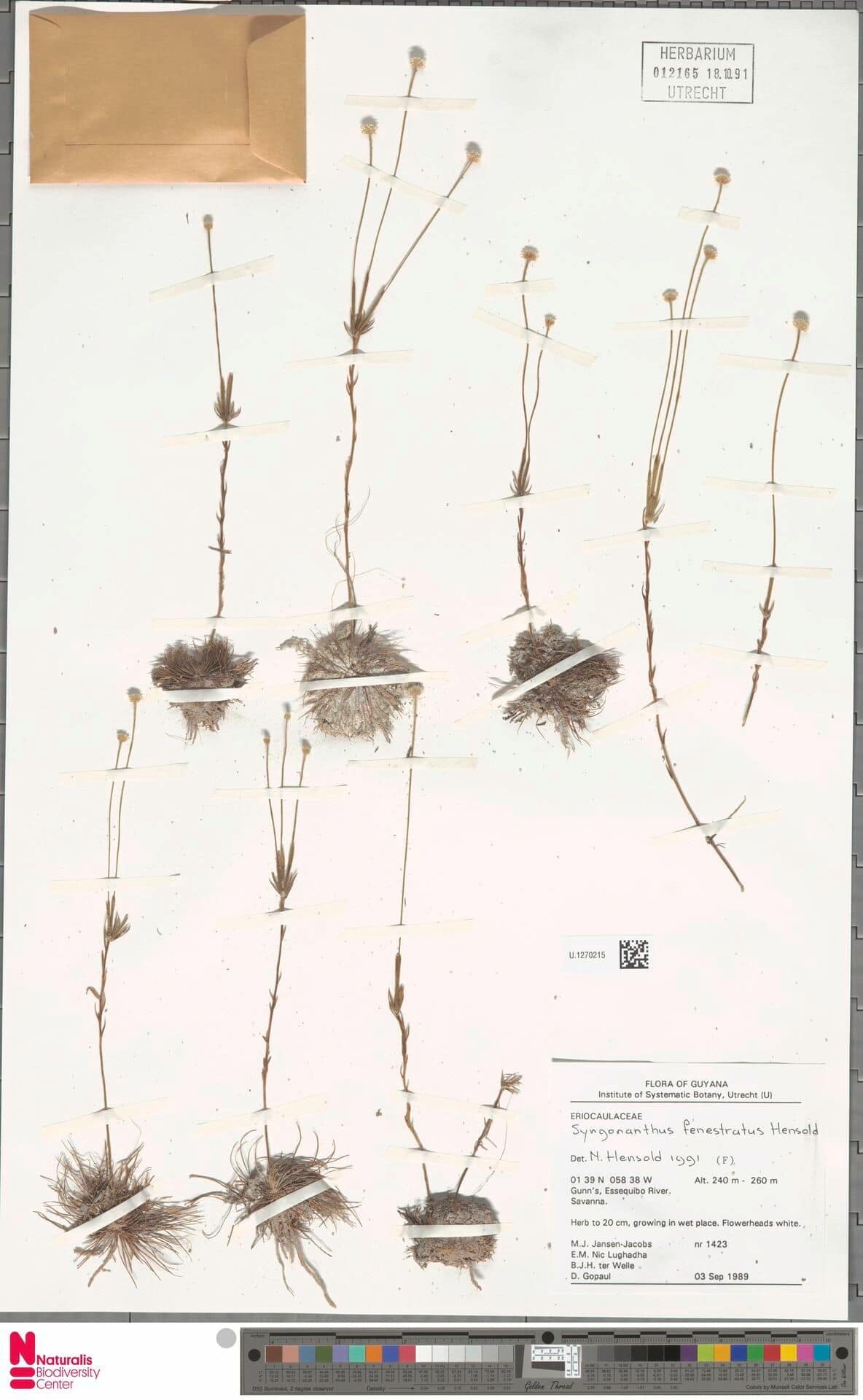
Unveiling the Secrets of Syngonanthus Fenestratus Propagation: From Seed to Success!
The Syngonanthus fenestratus, affectionately known as the "Star of Light" for its captivating, star-shaped flower heads, is a prized possession for any plant enthusiast. Its delicate beauty and mesmerizing blooms can transform any space, but propagating this little gem can seem as elusive as catching a falling star. Fear not, fellow plant lovers! This guide will illuminate the path to successful Syngonanthus fenestratus propagation, giving you the tools to multiply your starry wonders.
Two Roads Diverged: Seed vs. Division
While propagating most plants feels like a walk in the park, the Syngonanthus fenestratus presents a slightly more intricate challenge. Two primary methods stand out: seed propagation and division.
1. The Journey of a Thousand Stars: Seed Propagation
- Timing is Key: The ideal time for sowing Syngonanthus fenestratus seeds is during spring, when the days grow longer, and warmth fills the air.
- Sowing the Stars: Choose a well-draining seed starting mix and scatter the tiny seeds lightly on the surface, ensuring they are not buried. Mist gently with water and cover the tray with a clear plastic lid or wrap to retain humidity.
- Patience, Young Padawan: Germination can take anywhere from a few weeks to a couple of months, testing your patience and resolve. Maintain consistent moisture and provide bright, indirect light during this period.
- First Steps: Once the seedlings emerge, gradually acclimatize them to lower humidity levels by creating small ventilation holes in your cover. Once they develop a few true leaves, they can be carefully transplanted into individual pots.
2. The Art of Separation: Propagation by Division
For those seeking a quicker and potentially more successful approach, division is your best bet, especially if you have a mature and healthy plant. Here’s how it unfolds:
- The Right Time: Spring, once again, proves to be the opportune moment, coinciding with the plant’s active growth period.
- Gentle Hands are Key: Carefully remove the plant from its pot and gently tease apart the root ball into smaller sections, ensuring each division has a good amount of roots and leaves.
- A Fresh Start: Plant each division into a well-draining potting mix in individual pots, ensuring the crown of the plant sits level with the soil surface. Water thoroughly and provide bright, indirect light.
Nurturing Your New Stars: Post-Propagation Care
Whether you choose the path of seeds or division, your newly propagated Syngonanthus fenestratus require dedicated care:
- Light: Thriving in bright, indirect light is crucial for their growth. Avoid direct sunlight, as it can scorch their delicate foliage.
- Water: Consistent moisture is essential, but be wary of overwatering. Allow the soil to slightly dry out between waterings.
- Humidity: Being native to humid environments, your Star of Light will appreciate a little extra humidity. A pebble tray with water or a humidifier can work wonders.
A Starry Finale:
Propagating Syngonanthus fenestratus may seem daunting, but armed with the right knowledge and a sprinkle of patience, you can successfully multiply your collection and share the joy of these captivating stars with fellow plant enthusiasts. So go ahead, embark on this rewarding journey, and let your home twinkle with the ethereal beauty of the "Star of Light"!