
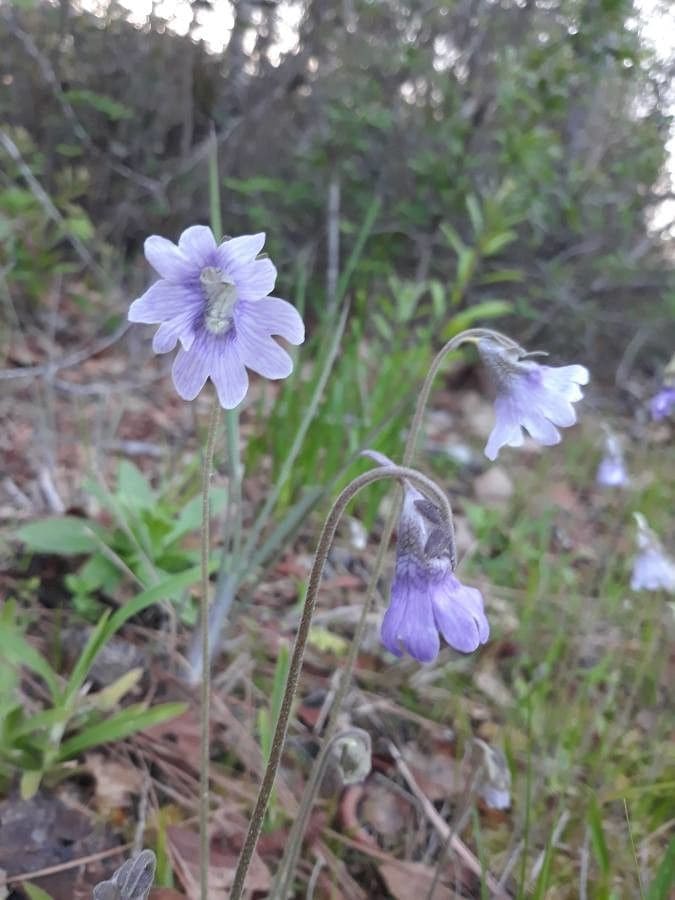
Beyond the Blue Blooms: Unveiling the Secrets of Pinguicula caerulea Propagation
The mesmerizing world of carnivorous plants never fails to capture the imagination. Among these fascinating wonders, the Pinguicula caerulea, also known as the "Blue Butterwort," stands out with its charming sky-blue blooms and surprisingly simple propagation methods. If you’ve been captivated by this botanical carnivore, you’ll be pleased to learn that expanding your collection is an achievable endeavor.
Understanding the Basics
Before diving into propagation, it’s helpful to understand the life cycle of Pinguicula caerulea. This species, native to the southeastern United States, goes through two distinct phases: a carnivorous summer rosette and a non-carnivorous winter rosette (or hibernaculum). This dormancy period is crucial for the plant’s survival and plays a significant role in its propagation.
Three Paths to Propagation
Pinguicula caerulea offers three primary methods for propagation:
1. Leaf Cuttings: This is arguably the most popular and reliable method.
- Timing is Key: The best time to take leaf cuttings is during the spring, when the plant is emerging from dormancy and actively growing.
- Selecting Leaves: Choose healthy, mature leaves from the outer edges of the rosette.
- Creating the Cuttings: Using a clean, sharp knife or scissors, carefully remove the entire leaf with its white base.
- Planting: Place the leaf cuttings on a moist medium, such as a 50:50 mix of peat moss and perlite. Ensure the base of the leaf is in contact with the medium but not buried.
- Patience is a Virtue: Keep the cuttings in a warm, humid environment with bright, indirect light. New plantlets will gradually emerge from the base of the leaf.
2. Seed Germination: While possible, propagating Pinguicula caerulea from seed can be more challenging and time-consuming.
- Fresh is Best: Use fresh seeds for optimal germination rates.
- Sowing the Seeds: Scatter the seeds on the surface of a moist, peat-based medium. Do not bury them, as they require light to germinate.
- Creating the Right Environment: Cover the pot with a clear lid or plastic wrap to maintain high humidity and place it in a well-lit area, out of direct sunlight.
- Timeframe: Germination can be unpredictable and may take several weeks to months.
3. Division: Mature plants may produce offshoots, or "pups," that can be separated to create new plants.
- Wait for the Right Moment: The ideal time for division is during the spring when the plant is actively growing.
- Gentle Separation: Carefully separate the offshoots from the mother plant, ensuring each pup has a good root system.
- Potting the Division: Plant the separated offshoots in individual pots with a suitable carnivorous plant medium.
A Few Words of Advice
- Patience is Paramount: Remember, propagation is a process that requires patience. Don’t be discouraged if you don’t see results immediately.
- Provide Optimal Growing Conditions: Pinguicula caerulea thrives in bright, indirect light and high humidity. Ensure your plants receive adequate moisture and good air circulation.
- Choose the Right Medium: Always use a well-draining, peat-based medium specifically formulated for carnivorous plants.
Propagating Pinguicula caerulea is a rewarding experience that allows you to witness the miracle of plant propagation firsthand. By following these guidelines and nurturing your plants with care, you can enjoy a thriving collection of these captivating carnivores.