
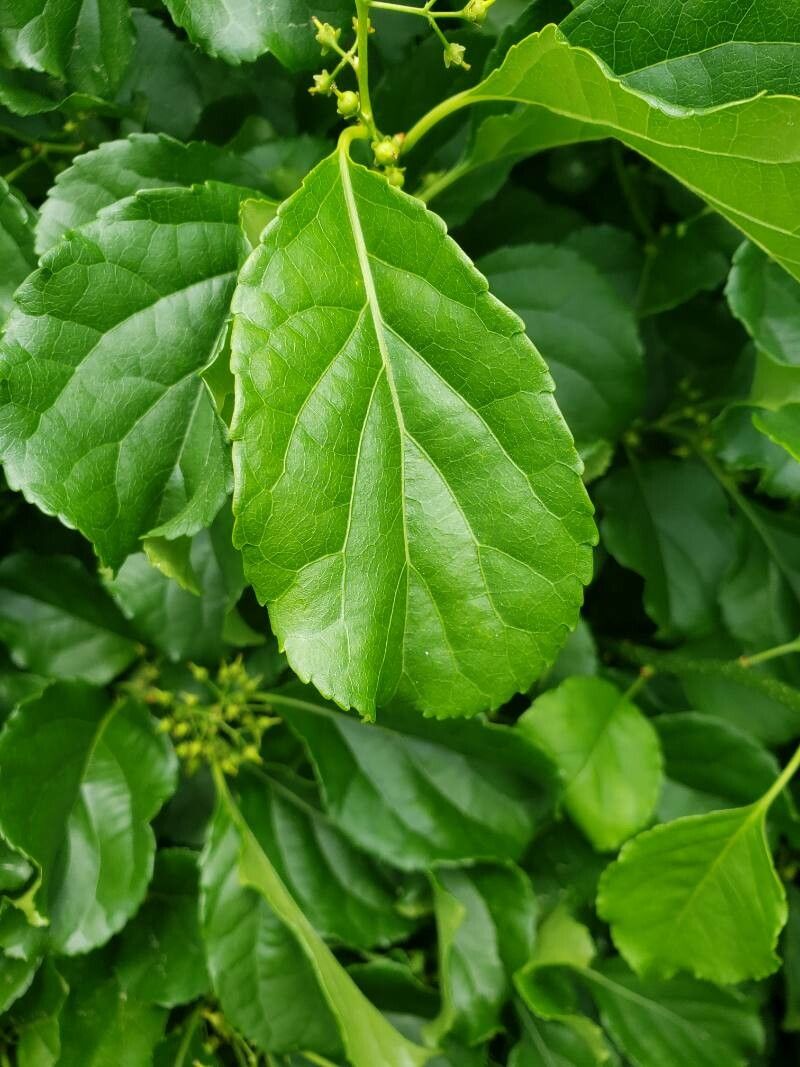
Untangling the Secrets of Oriental Bittersweet Propagation: A Guide to Growing This Vigorous Vine
Oriental bittersweet (Celastrus orbiculatus), with its captivating twining habit and vibrant berries, can be a stunning addition to your landscape. However, its notorious reputation for aggressive growth often precedes it. Before introducing this plant to your garden, it’s crucial to understand its propagation methods to ensure controlled and responsible cultivation.
Seeds: Starting from Scratch
Propagating Oriental bittersweet from seeds offers a sense of satisfaction in nurturing a plant from its very beginning. While slightly more time-consuming than other methods, it’s a rewarding process. Here’s what you need to know:
- Collection: Harvest mature berries in autumn when they turn a brilliant orange-red. Extract the seeds, discarding the fleshy fruit.
- Stratification: Oriental bittersweet seeds require a period of cold treatment to break dormancy. Mix the seeds with damp vermiculite, place them in a sealed bag, and refrigerate for at least 90 days.
- Sowing: In spring, sow the stratified seeds in a well-draining seed starting mix, covering them lightly with soil. Keep the soil consistently moist and provide ample sunlight.
- Transplanting: Once the seedlings develop a strong root system and several sets of true leaves, they can be transplanted outdoors after the last frost.
Cuttings: A Shortcut to Success
For those seeking a faster propagation method, taking cuttings is an excellent choice. This technique involves cloning existing plants, ensuring consistent characteristics. Follow these steps:
- Timing: Collect cuttings in late spring or early summer when the plant is actively growing.
- Selection: Choose healthy, non-flowering stems that are approximately 6-8 inches long. Make a clean cut just below a leaf node.
- Preparation: Remove the lower leaves, leaving a few at the top. Dip the cut end in rooting hormone powder to enhance root development.
- Planting: Insert the cuttings into a pot filled with a well-draining rooting medium. Keep the soil consistently moist and provide indirect sunlight.
- Rooting: It might take several weeks for the cuttings to develop roots. Gently tugging on them can indicate successful rooting. Once rooted, they can be transplanted to larger containers or directly into the ground.
Root Cuttings: Utilizing the Underground Network
A lesser-known yet effective method is propagation through root cuttings. This technique capitalizes on the plant’s ability to develop new shoots from root segments.
- Timing: Early spring, before new growth emerges, is the ideal time for this method.
- Cutting: Carefully dig around the base of an established plant and sever a healthy root section about 2-3 inches long.
- Placement: Plant the root cuttings horizontally in a tray filled with moist perlite or sand, ensuring the cutting is barely covered.
- Growth: Place the tray in a warm, well-lit location and keep the medium consistently moist. Shoots should emerge within a few weeks.
- Transplanting: Once the new shoots develop a good root system, they can be carefully separated and potted individually.
No matter which method you choose, always remember that Oriental bittersweet is a vigorous grower. Choose its planting location wisely, and consider implementing containment strategies to prevent uncontrolled spread. Happy propagating!