
Journey to More Bananas: Propagating Musa itinerans in your Backyard
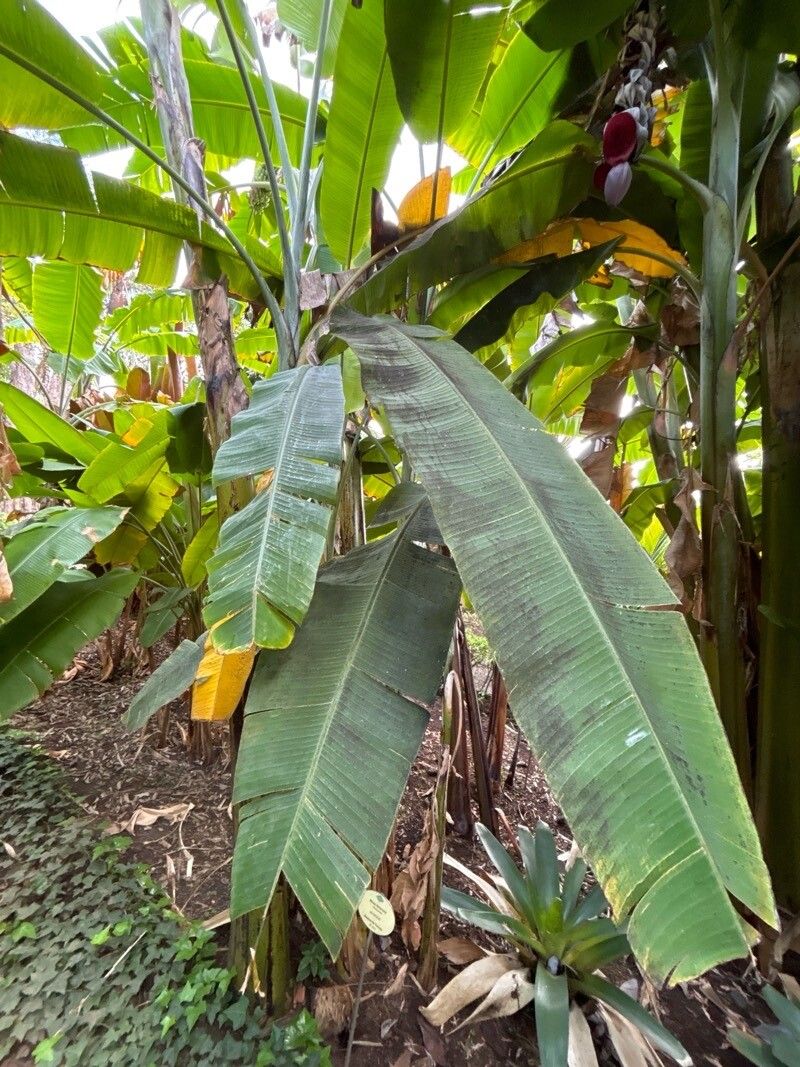
The Musa itinerans, also known as the Red Tiger Banana or the Burmese Blue Banana, is an increasingly popular choice for home gardeners wanting an exotic touch. This striking plant, with its vibrant red-striped leaves and colorful fruit bunches, can transform your garden into a tropical paradise. While it’s readily available as a young plant, wouldn’t it be even more rewarding to propagate your own? Let’s delve into the fascinating world of Musa itinerans propagation and get you started on your own banana-growing journey.
Understanding the Options:
Musa itinerans, like many banana varieties, doesn’t propagate reliably from seeds. The most successful methods are vegetative, meaning we use parts of an existing plant to grow new ones.
1. The Power of Pups:
This is the most common and straightforward method. Musa itinerans readily produces “pups,” which are essentially baby plants emerging from the base of the mother plant.
- Timing is Key: The best time to separate pups is during the warm growing season when the mother plant is actively growing. Look for pups that are at least 1 foot tall and have developed their own roots.
- Gentle Separation: Carefully dig around the base of the pup, ensuring you sever the connection to the mother plant while minimizing damage to both.
- Potting and Care: Plant the separated pup in a well-draining potting mix and water it thoroughly. Choose a pot size that accommodates the pup’s current size, and remember, it will need repotting as it grows.
2. Unveiling the Corm:
The corm is the underground part of the banana plant from which roots and shoots emerge. Dividing the corm allows you to create multiple new plants.
- Corm Selection: Choose a healthy, mature Musa itinerans plant for corm division.
- Division Process: Carefully dig up the plant and remove the soil surrounding the corm. You’ll notice smaller corms attached to the main one. Carefully separate these, ensuring each division has a few healthy roots and at least one growing point (a bud or a small shoot).
- Potting and Patience: Plant each corm division in a well-draining potting mix. It might take a few weeks for visible growth to appear, so be patient and maintain a consistently moist but not waterlogged environment.
3. Tissue Culture: A Glimpse into the Future:
For serious enthusiasts or for producing large quantities of plants, tissue culture is an option. This method involves taking small tissue samples from a parent plant and growing them in a sterile laboratory setting. While effective, it requires specialized knowledge and equipment.
Caring for Your New Propagations:
Regardless of the propagation method, your new Musa itinerans plants thrive in warm, humid environments with plenty of sunlight. Ensure they receive consistent watering, especially during their initial growth stages. Feed them regularly with a balanced fertilizer to support healthy leaf and root development.
Reaping the Rewards:
Propagating your own Musa itinerans is a rewarding experience. It allows you to expand your plant collection, share this unique variety with others, and deepen your connection with the fascinating world of plants. So why wait? Embark on this horticultural journey and watch as your efforts bear fruitful results—literally!