
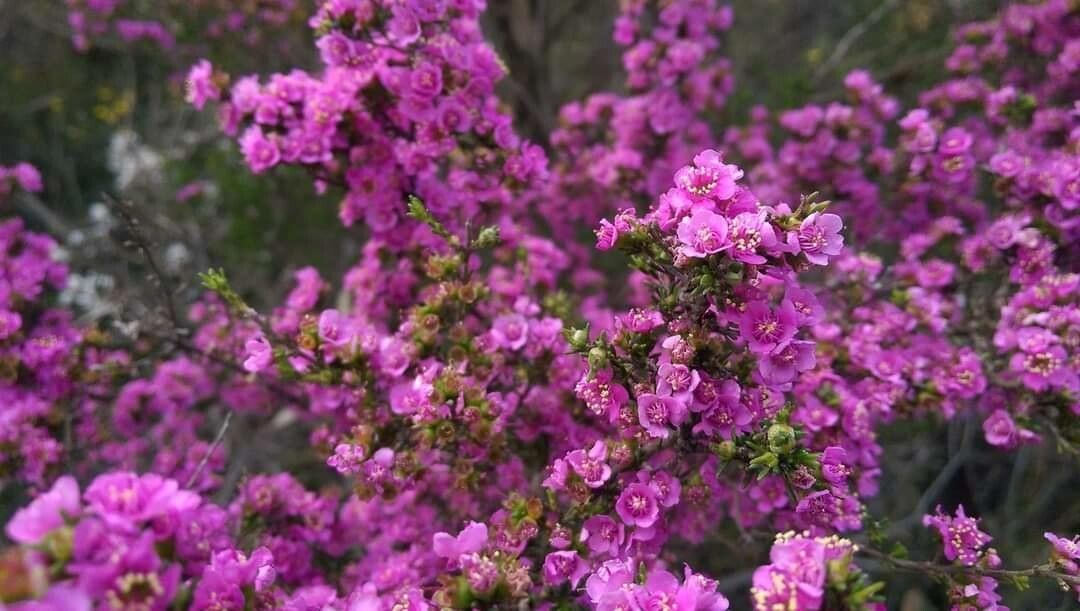
Taming the Tasmanian: A Guide to Propagating the Rare and Beautiful Kunzea affinis
The Kunzea affinis, also known as the Purple Kunzea or the Mangles Swamp Paperbark, is a stunning evergreen shrub native to the wet heathlands of Tasmania. With its vibrant purple flowers erupting in a springtime spectacle and its elegant, papery bark, this plant is an alluring addition to any garden seeking a touch of Australian charm. However, finding this Tasmanian treasure can be tricky, as it’s not commonly sold in nurseries. The good news? You can propagate your own! Let’s dive into the world of propagating Kunzea affinis, exploring two rewarding methods:
Method 1: Cuttings – A Journey of Patience and Precision
Propagating Kunzea affinis from cuttings is the most common method, requiring a bit of patience and a gentle touch. Here’s how:
1. Timing is Key: The best time to take cuttings is during the plant’s active growth period in late spring or early summer.
2. Choosing the Right Cuttings: Select healthy, semi-hardwood stems that are about 4-6 inches long. These stems should be from the current year’s growth and show signs of maturity, but not be overly woody.
3. Preparing the Cuttings:
- Using clean, sharp pruning shears, make a cut just below a leaf node (the point where the leaf emerges from the stem).
- Remove the leaves from the bottom half of the cutting.
- If desired, dip the cut end in rooting hormone powder to encourage faster root development. While not absolutely necessary, it can significantly improve your success rate.
4. Planting the Cuttings:
- Fill small pots or a seed tray with a well-draining potting mix specifically designed for cuttings.
- Make a hole in the potting mix with a pencil or your finger and gently insert the cutting, burying the bottom node.
- Water the cuttings thoroughly, ensuring the potting mix is moist but not waterlogged.
5. Creating a Humid Environment:
- To promote successful rooting, humidity is crucial. Cover the pots or tray with a clear plastic bag or a propagation dome to create a mini greenhouse effect.
- Place the cuttings in a bright location, but avoid direct sunlight which can scorch the delicate cuttings.
6. The Waiting Game (and Aftercare):
- Keep the potting mix consistently moist, but be careful not to overwater, as this can lead to root rot.
- After about 6-8 weeks, gently tug on the cuttings to check for resistance. Resistance indicates that roots are developing!
- Once the cuttings are well-rooted, they can be carefully transplanted into individual pots or your garden.
Method 2: Seeds – Embracing the Challenge
Propagating Kunzea affinis from seed can be slightly more challenging, as the seeds have a relatively low germination rate. However, if you’re up for the challenge, here’s what you need to do:
1. Collecting Seeds:
- After the flowering period, Kunzea affinis produces small, woody capsules containing the seeds.
- Collect the capsules when they turn brown and begin to open.
2. Preparing the Seeds:
- Extract the tiny seeds from the capsules.
- Due to their small size, sowing them directly onto the surface of seed-raising mix is recommended.
3. Sowing the Seeds:
- Use a well-draining seed-raising mix and moisten it well.
- Sprinkle the seeds sparsely over the surface and only lightly press them into the mix.
- Cover the tray with a clear plastic wrap or propagation dome.
4. Patience is Vital:
- Seeds can take anywhere from a few weeks to a few months to germinate, so be prepared for the long haul.
- Place the seed tray in a warm, bright location out of direct sunlight.
Mist the soil regularly to keep it evenly moist.
5. Transplanting Success:
- Once seedlings are large enough to handle, they can be carefully transplanted into individual pots.
A Final Note: More Than Just a Pretty Flower
Beyond its aesthetic appeal, Kunzea affinis is known for its medicinal properties. Indigenous Australians have long used various parts of the plant for healing purposes. Today, Kunzea oil is gaining popularity for its potential anti-inflammatory and pain-relieving benefits.
Whether you choose to propagate from cuttings or seeds, bringing this rare beauty to life in your own garden is a rewarding experience. With proper care and attention, your Kunzea affinis will reward you with years of its signature vibrant blooms and captivating fragrance.