
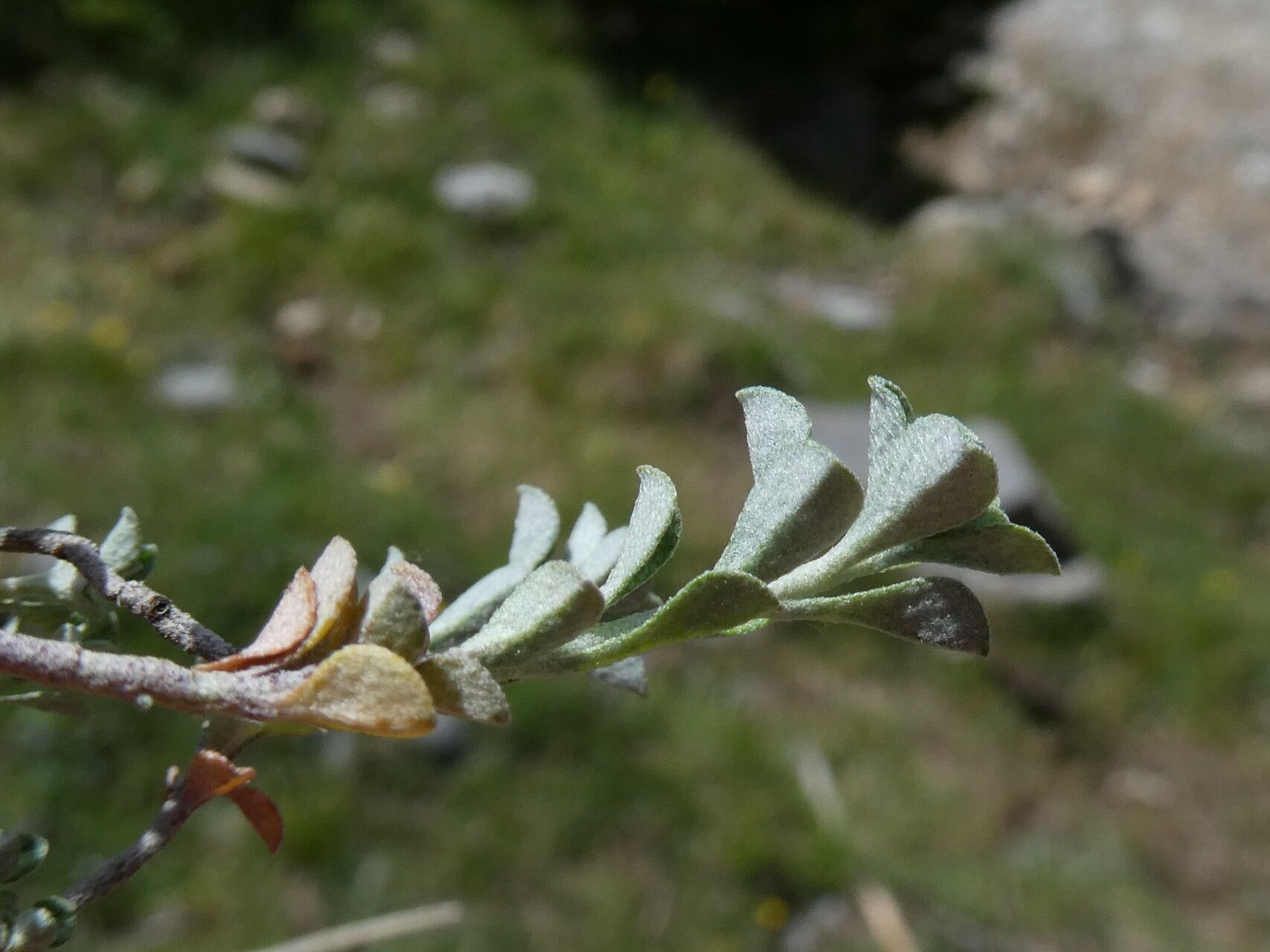
Taming the Mountain Sprite: Propagating Odontarrhena alpestris
The Odontarrhena alpestris, also known charmingly as the Mountain Alyssum, is a sight to behold. With its silvery foliage and explosion of tiny white flowers erupting in the spring, it truly lives up to its whimsical common name. But this enchanting plant hails from the craggy, high-altitude terrain of the European mountains – so how can we mortals hope to cultivate it in our own gardens? Thankfully, while the Mountain Alyssum might seem like a fickle mountain sprite, propagating it isn’t as daunting as its wild origins suggest.
Two Paths to Propagation
There are two primary methods for propagating Odontarrhena alpestris:
Seed Sowing: This method, while requiring patience, offers a rewarding experience and allows for greater genetic diversity amongst your plants.
- Cuttings: Offering a faster route to established plants, taking cuttings is perfect for replicating the characteristics of a specific prized specimen.
Sowing Seeds: A Journey of Patience
The key to successful seed propagation lies in mimicking the Mountain Alyssum’s natural environment. Here’s a step-by-step approach:
Timing is Everything: Start your seeds indoors in late winter or early spring, approximately 6-8 weeks before the last expected frost.
Creating the Ideal Nursery: Utilize a seed tray or small pots filled with a well-draining seed starting mix. Sow the tiny seeds on the surface, pressing them gently without burying them. The Mountain Alyssum needs light to germinate.
Simulating a Mountain Spring: Mist the soil surface regularly to keep it evenly moist but not waterlogged. A humidity dome or covering the tray with plastic wrap can help retain moisture. Place the tray in a bright location, but away from direct sunlight.
The Art of Waiting: Germination can be slow, taking anywhere from 2 to 6 weeks. Be patient, and make sure to maintain consistent moisture and warmth.
Hardening Off: Once your seedlings have developed a few sets of true leaves, it’s time to begin the hardening off process. Gradually introduce them to outdoor conditions by placing them in a sheltered location for increasingly longer periods each day.
- Transplanting to their Forever Home: After the last frost has passed, your Mountain Alyssum seedlings are ready to be planted in their permanent location. Choose a sunny spot with well-drained soil and enjoy watching them flourish!
Taking Cuttings: A Faster Route
Propagating Odontarrhena alpestris from cuttings offers a quicker path to established plants. Follow these steps for success:
Timing the Snip: Early summer, when the plant is actively growing, is the ideal time to take cuttings. Select healthy, non-flowering stems.
The Perfect Cutting: Using a clean, sharp knife or pruning shears, take 3-4 inch cuttings just below a leaf node. Remove the lower leaves, leaving only 2-3 leaves at the top.
Encouraging Root Development: Dip the cut end in rooting hormone (optional but beneficial) and then insert the cutting into a pot filled with a well-draining potting mix.
Creating a Humid Environment: Cover the pot with a plastic bag or place it in a propagator to maintain high humidity, which promotes root formation.
- Signs of Success: After 4-6 weeks, gently tug on the cutting. Resistance indicates successful rooting. Gradually acclimatize the new plant to outdoor conditions before transplanting it to its chosen spot in your garden.
Whether you choose the patience-testing path of seeds or the faster route of cuttings, propagating Odontarrhena alpestris is a rewarding endeavor. Soon, you’ll be welcoming this charming mountain sprite into your garden and enjoying its delightful blooms for years to come.