
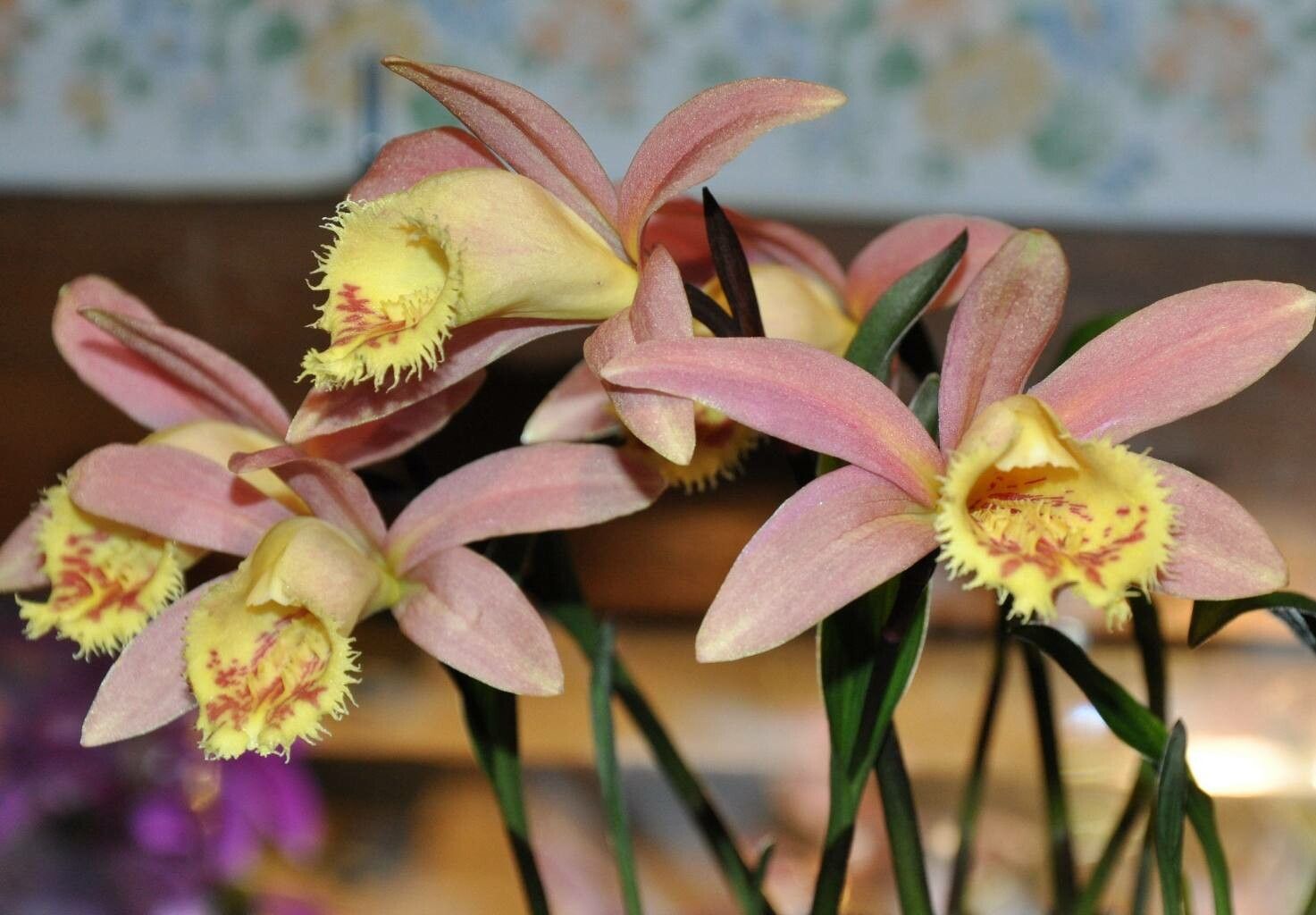
Unveiling the Secrets: How to Propagate the Exquisite Pleione forrestii
The Pleione forrestii, with its charming, delicate blooms emerging from fuzzy pseudobulbs, is a sight to behold. Native to the high elevations of Yunnan, China, this orchid species, while not as widely known as its flamboyant cousins, captivates with its subtle beauty and unique growth habit. And the best part? Propagating Pleione forrestii is a surprisingly achievable endeavor, even for budding orchid enthusiasts.
This guide unravels the mysteries of multiplying your Pleione forrestii collection, focusing on two primary methods – division and backbulbs.
Method 1: Division – The Gift that Keeps on Giving
Division is the most common and arguably the most straightforward method for propagating Pleione forrestii. Here’s how it’s done:
Timing is Key: The ideal time for division is immediately after the plant has finished flowering, typically in late spring or early summer.
Gentle Extraction: Carefully remove the plant from its pot.
Identify Division Points: Look for natural breaking points where the pseudobulbs are clustered. Aim for divisions with at least 3-4 healthy pseudobulbs each to ensure successful establishment.
The Big Split: Using a clean, sharp knife or pair of shears, carefully separate the plant at the identified division points.
- Potting Up: Plant the divisions in well-draining orchid potting mix. Ensure the base of the pseudobulbs is level with the soil surface. Water lightly and place in a shaded location.
Method 2: Backbulbs – A Second Chance at Bloom
Backbulbs are older, leafless pseudobulbs that can be encouraged to generate new growth. While this method takes longer, it’s an excellent way to maximize your propagation efforts.
Backbulb Identification: Once flowering is complete, identify plump, healthy backbulbs.
Preparation is Key: Prepare a shallow tray or pot with a moist, well-draining medium like sphagnum moss or a fine orchid bark mix.
Nestle and Wait: Place the backbulbs horizontally on the surface of the medium, ensuring they are not buried. Maintain humidity by covering the tray with a plastic dome or placing it inside a propagator.
- Patience is a Virtue: It may take several weeks or even months for new growth to emerge from the base of the backbulbs. Once roots and shoots develop, the new plants can be carefully potted up individually.
Essential Tips for Success
- Light: Pleione forrestii thrive in bright, indirect light. Avoid direct sunlight, which can scorch their leaves.
- Watering: Water when the potting mix approaches dryness. Good drainage is crucial to prevent root rot.
- Temperature & Humidity: These orchids prefer cool to intermediate temperatures and moderate humidity.
- Fertilizer: Feed regularly with a diluted orchid fertilizer during the growing season.
Propagating Pleione forrestii is a rewarding experience, allowing you to expand your collection and share the beauty of these unique orchids with others. With a bit of patience and the right approach, you can watch your propagation efforts blossom into a stunning display of floral elegance.