
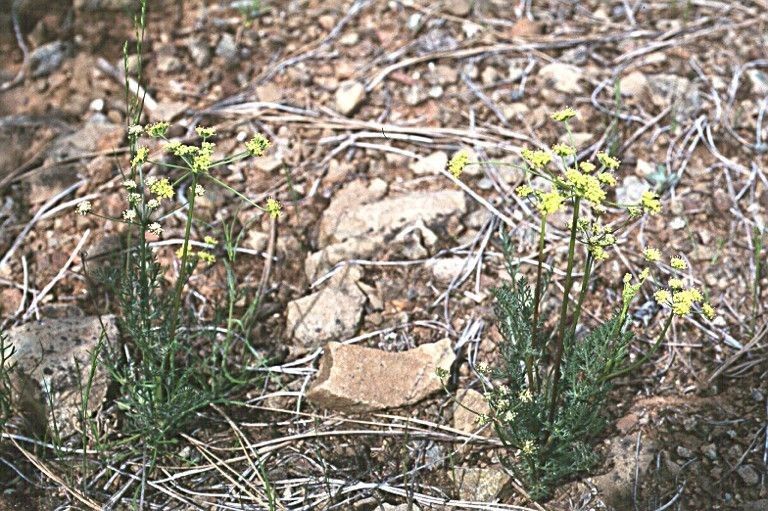
Taming the Wildflower: Tips for Propagating the Rare Lomatium congdonii
Lomatium congdonii, also known as Congdon’s Biscuitroot, is a captivating wildflower native to the grasslands and open woodlands of Oregon and California. With its clusters of vibrant yellow blooms atop tall stems and its delicate, fern-like foliage, this plant is a beauty to behold. But, its allure comes with a challenge: propagating Lomatium congdonii is not for the faint of heart. This plant, accustomed to the whims of nature, can be quite particular about its needs.
This guide, however, will equip you with the knowledge and techniques to successfully propagate this rare and beautiful wildflower, allowing you to contribute to its conservation and enjoy its beauty in your own space.
Understanding Lomatium congdonii’s Lifecycle:
Before embarking on propagation, understanding the plant’s lifecycle is crucial. Lomatium congdonii is a perennial, meaning it lives for several years. It blooms in the spring, setting seeds shortly after. The plant then dies back to its roots, remaining dormant during the hot summer months. Knowing this cycle helps you identify the best time for each propagation method.
Methods of Propagation:
- Seed Propagation: This is the most common method.
- Timing is Key: Collect seeds in late spring or early summer when they are mature and easily separated from the flower head.
- Cold Stratification: Mimic nature! Store seeds in a refrigerator for at least 60 days before sowing. This process, called cold stratification, simulates winter conditions and encourages germination.
- Sowing the Seeds: Plant seeds in a well-draining seed starting mix, barely covering them. Keep the soil consistently moist but not waterlogged. Be patient! Germination can take several weeks to several months.
- Division: For established plants, division offers another route to propagation.
- Timing: Divide plants in late summer or early fall, when the plant is dormant.
- Careful Division: Carefully dig up the plant, ensuring you don’t damage the roots. Use a sharp, clean knife or garden shears to divide the plant into sections, making sure each section has a good amount of roots and growth points.
- Replanting: Replant the divisions immediately in well-draining soil and water thoroughly.
Essential Growing Conditions:
Whether from seed or division, young Lomatium congdonii require specific conditions to thrive:
- Well-Draining Soil: This is paramount! Soggy soil can lead to root rot. Amend your soil with sand or perlite to improve drainage.
- Sun Exposure: While Lomatium congdonii appreciates some shade during the hottest part of the day, it thrives in full sun to partial shade conditions.
- Watering: Water deeply but infrequently, allowing the soil to dry out between waterings. Once established, these plants are relatively drought-tolerant.
A Rewarding Challenge:
Propagating Lomatium congdonii may require patience and dedication, but the rewards are well worth the effort. By learning to propagate this unique wildflower, you’re not only adding beauty to your garden but also playing a part in preserving a remarkable native plant species.