
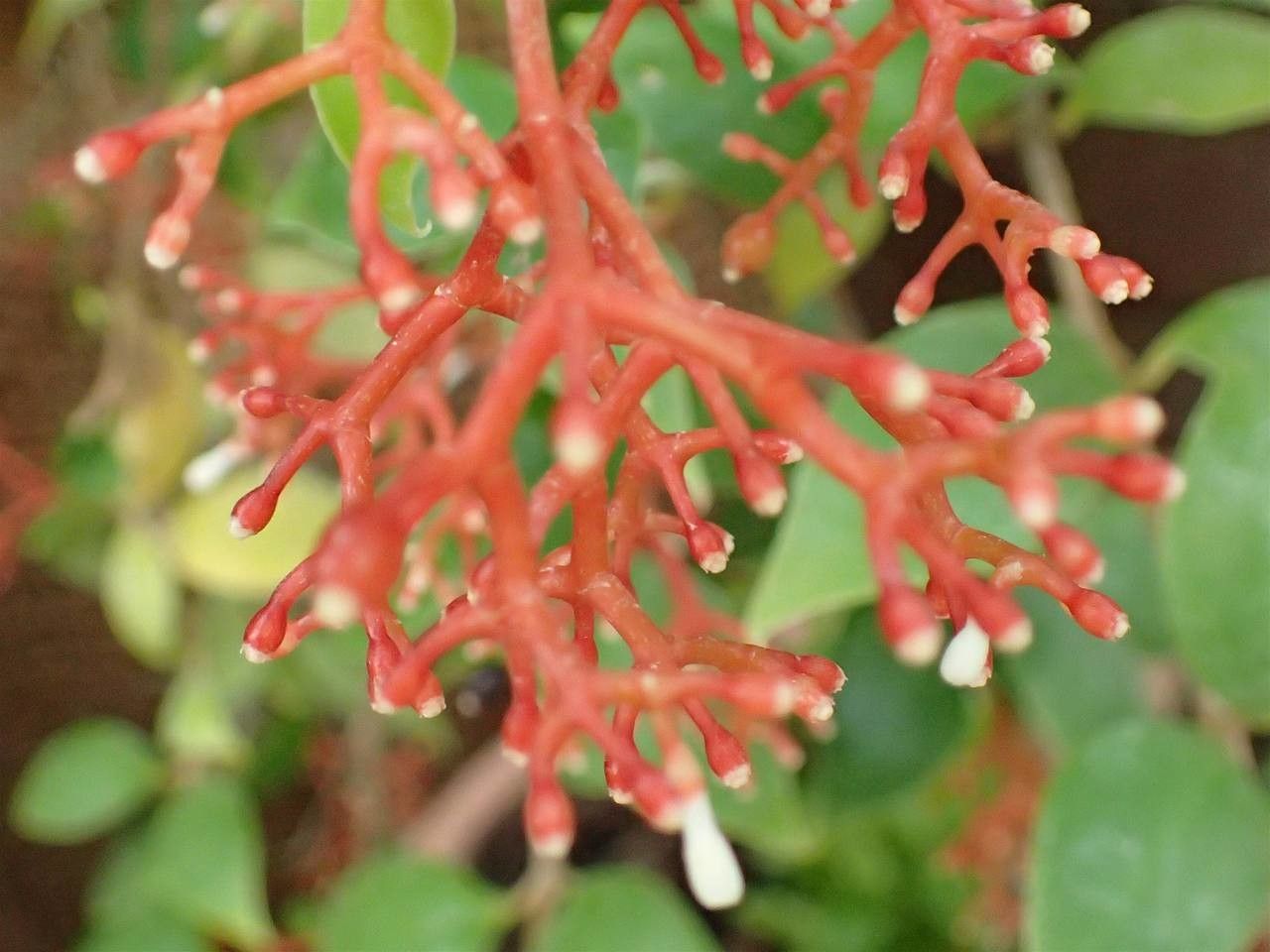
A Parasite with Potential: Propagating the Enigmatic Notopleura parasitica
The plant world is full of surprises, and few are as intriguing as the Notopleura parasitica. This fascinating species, belonging to the coffee family (Rubiaceae), stands out not just for its vibrant red berries and glossy leaves, but also for its unusual lifestyle. You see, the Notopleura parasitica is a hemiparasite. This means that while it can photosynthesize and produce some of its own food, it also relies on a host plant for essential nutrients and water.
This parasitic nature might make you think that propagating Notopleura parasitica is a complicated affair, but fear not! While it does require a bit more finesse than your average houseplant, growing this botanical oddity from seed is a rewarding challenge for any plant enthusiast.
Step 1: Sourcing the Seeds:
Finding Notopleura parasitica seeds can be tricky, as it’s not a common commercially available plant. Your best bet is to connect with botanical gardens, specialty nurseries specializing in unusual species, or online communities dedicated to plant enthusiasts.
Step 2: Choosing the Right Host:
Remember the host plant? That’s crucial for successfully growing Notopleura parasitica. In the wild, it commonly parasitizes certain tree species. For home cultivation, fast-growing and easily replaceable plants like legumes (peas, beans) or grasses are excellent choices.
Step 3: Preparing for Sowing:
- Germination Medium: A well-draining, slightly acidic potting mix is ideal. A blend of peat moss, perlite, and vermiculite works well.
- Potting Up: Use small pots (around 4 inches in diameter) to start your seeds. Ensure the pots have drainage holes.
- Host Plant: Sow your host plant seeds directly into the pots about two weeks before introducing the Notopleura parasitica seeds. This gives the host plant a head start.
Step 4: Sowing the Seeds:
- Placement: Place a few Notopleura parasitica seeds on the surface of the soil, near the base of the host plant.
- Light Covering: Lightly cover the seeds with a thin layer of the potting mix (no more than ¼ inch deep).
Step 5: Providing the Right Conditions:
- Moisture: Keep the soil consistently moist but not soggy. Use a spray bottle to mist the surface regularly.
- Light: Place the pots in a bright location, but avoid direct sunlight, which can scorch the seedlings.
- Temperature: Aim for temperatures between 70-75°F (21-24°C).
Step 6: Observing the Magic:
With patience and care, you should see your Notopleura parasitica seeds germinate within a few weeks. The seedlings will initially appear as tiny, delicate shoots. You might notice small, root-like structures (haustoria) developing, attaching themselves to the roots of the host plant. These haustoria are how the Notopleura parasitica draws nutrients from its host.
Step 7: Transplanting:
Once the seedlings are a few inches tall and have developed a strong root system (including haustoria attached to the host), you can transplant them into larger pots, ensuring you transfer the seedling along with the host.
Growing Notopleura parasitica is a fascinating journey into the world of parasitic plants. It requires a bit of extra attention, but the reward of nurturing this unique and beautiful species in your own home makes it a worthwhile endeavor for the adventurous plant parent.