
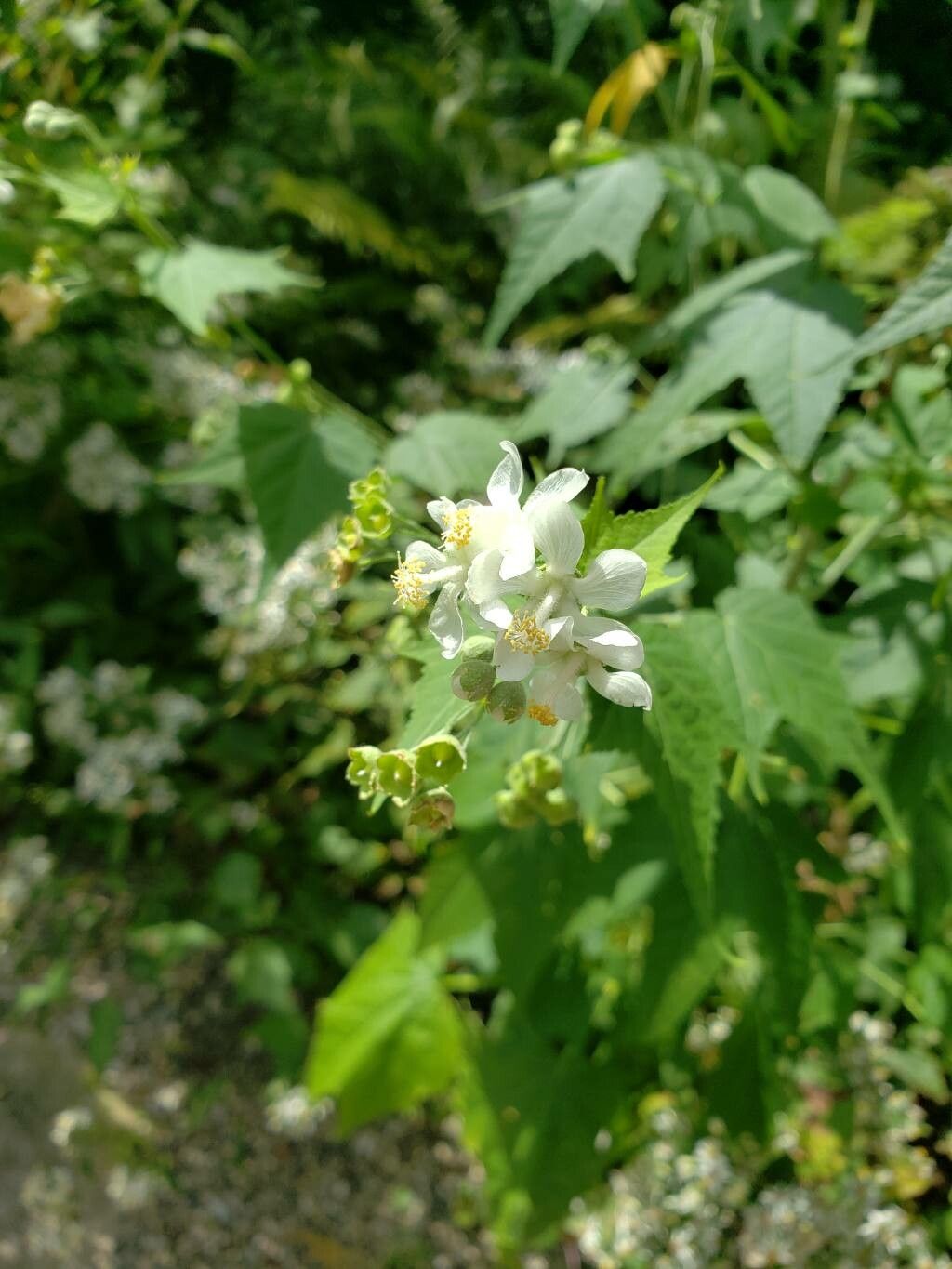
Taming the Wild Virginia Mallow: A Guide to Propagating Ripariosida hermaphrodita
The Virginia mallow (Ripariosida hermaphrodita), formerly known as Hibiscus laevis, is a stunning native wildflower that deserves a place in more gardens. Reaching up to 8 feet tall, this elegant plant boasts graceful, heart-shaped leaves and large, white, hibiscus-like blooms that grace the late summer landscape. If you’ve been hesitant to invite this beauty into your garden because of its “wild” reputation, fear not! This guide will demystify the propagation of Ripariosida hermaphrodita, giving you the tools to successfully grow this unique plant.
Two Paths to Propagation: Seeds and Cuttings
Similar to many flowering plants, the Virginia mallow can be propagated by both seeds and cuttings. Each method has its own advantages and drawbacks, allowing you to choose the best option for your situation.
1. Seed Propagation: A Journey of Patience and Reward
Starting Virginia mallow from seed can be incredibly rewarding, but it requires a bit more patience. Here’s what you need to know:
- Seed Collection: Collect mature seeds from dried seed pods in the fall. Look for pods that have turned brown and brittle.
- Cold Stratification: Mimic nature’s cycle by cold-stratifying the seeds. Place them in a moist paper towel within a sealed plastic bag and refrigerate for 4-6 weeks.
- Sowing: Once stratified, sow seeds in a seed starting mix, lightly pressing them into the surface. Maintain a temperature of 70-75°F (21-24°C) and keep the soil consistently moist.
- Germination: Be patient; germination can take anywhere from a few weeks to a couple of months.
- Transplanting: When seedlings have developed a few sets of true leaves, they can be transplanted outdoors after the last frost.
2. Cutting Propagation: A Faster Route to Success
If you’re eager to see quicker results, propagating Virginia mallow from cuttings might be the way to go. Follow these steps:
- Timing is Key: Take cuttings in the spring or early summer from healthy, non-flowering stems.
- Preparing the Cuttings: Using a sharp, clean knife or pruning shears, cut a 4-6 inch section of stem just below a leaf node. Remove the lower leaves, leaving a few leaves at the top.
- Rooting Hormone (Optional): While not essential, dipping the cut end in rooting hormone can increase the success rate.
- Planting the Cuttings: Plant the cuttings in a well-draining potting mix. Keep the soil moist and provide indirect sunlight.
- Root Development: Within a few weeks, the cuttings should develop roots and show signs of new growth.
- Transplanting: Once the cuttings are well-established, they can be transplanted to larger pots or directly into the garden.
Nurturing Your Virginia Mallow
Whether you choose seeds or cuttings, providing optimal growing conditions is key to enjoying the beauty of your Virginia mallow:
- Sunlight: Plant in a location that receives full sun to partial shade.
- Soil: Well-draining soil is crucial. Amend heavy clay soils with organic matter to improve drainage.
- Watering: While drought tolerant once established, water regularly during the first year, especially during dry periods.
- Fertilizing: While not a heavy feeder, amending the soil with compost annually will provide adequate nutrients.
With a little patience and care, you can cultivate the majestic Ripariosida hermaphrodita in your own backyard, adding a touch of wild beauty and attracting beneficial pollinators to your garden haven.