
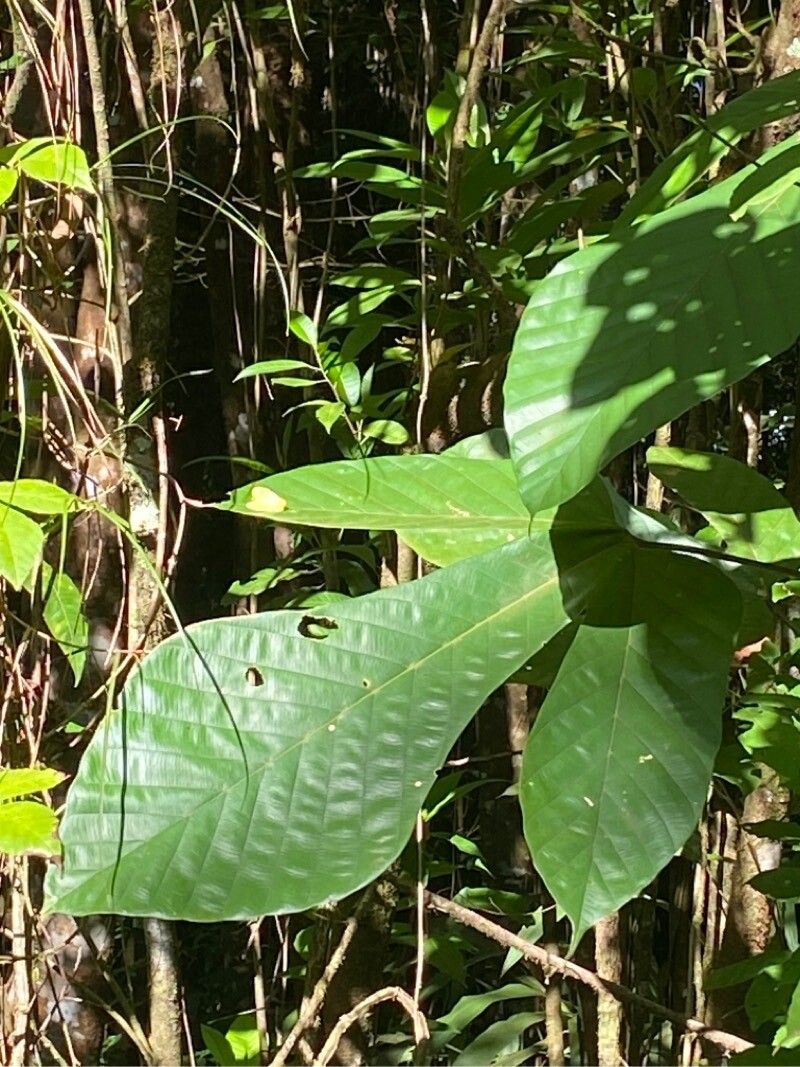
Unlocking the Secrets of Pourouma tomentosa: A Guide to Propagation
The Amazon rainforest holds within its emerald embrace a treasure trove of unique and delicious fruits, many of which remain largely unknown to the outside world. One such gem is the Pourouma tomentosa, more commonly known as the Amazon grape or mapati. This fascinating fruit, with its sweet, custard-like flesh, holds immense potential, and luckily for the adventurous gardener, propagating Pourouma tomentosa isn’t as daunting as one might think.
Understanding the Basics
Before we delve into the techniques, let’s understand the plant itself. Pourouma tomentosa is a fast-growing, dioecious species, meaning you’ll need both male and female plants to produce fruit. It flourishes in tropical climates with ample humidity and well-drained soil.
Propagation Methods
While Pourouma tomentosa can be grown from seeds, germination rates can be unpredictable. For more reliable results, vegetative propagation methods are preferred. Here are two common approaches:
1. Cuttings:
This method involves taking cuttings from healthy, mature branches. Here’s a step-by-step guide:
- Timing: The best time for taking cuttings is during the active growing season, typically spring to early summer.
- Selection: Choose semi-hardwood cuttings, ideally from branches that have recently borne fruit. The cutting should be about 6-8 inches long and contain at least 2-3 nodes.
- Preparation: Remove the leaves from the bottom third of the cutting and wound the base slightly to encourage root development.
- Rooting Hormone (Optional): While not strictly necessary, dipping the wounded end in rooting hormone can improve success rates.
- Planting: Insert the prepared cuttings into a well-draining potting mix, ensuring the bottom node is buried.
- Environment: Maintain high humidity by covering the pot with a clear plastic bag or using a propagation dome. Place the cuttings in a warm, bright location, out of direct sunlight.
- Patience: Rooting can take several weeks. Once new growth emerges, you’ll know your cuttings have successfully rooted.
2. Air Layering:
Air layering is a slightly more involved but highly effective method for propagating Pourouma tomentosa. Here’s how it works:
- Selection: Choose a healthy branch that’s about 1-2 inches in diameter.
- Girdling: Carefully make a shallow cut around the circumference of the branch, removing a thin ring of bark.
- Rooting Hormone: Apply rooting hormone to the exposed area.
- Wrap and Secure: Surround the wounded area with moist sphagnum moss and wrap it securely with plastic wrap or aluminum foil.
- Moisture Control: Ensure the moss stays consistently moist. You might need to mist it periodically.
- Root Development: After a few months, you should see roots developing through the moss.
- Separation and Potting: Once a healthy root system has formed, carefully cut the branch below the rooted portion and pot the new plant.
Post-Propagation Care
Regardless of the method chosen, young Pourouma tomentosa plants need special care:
- Watering: Maintain consistently moist soil, but avoid overwatering.
- Light: Place your young plant in a bright location with indirect sunlight.
- Humidity: High humidity is crucial, especially during the initial stages. Use a humidifier or place the pot on a tray filled with pebbles and water.
- Fertilization: Feed your plant every few weeks with a balanced, diluted fertilizer during the growing season.
Patience is Key
Propagating Pourouma tomentosa requires a bit of patience and care, but the reward of nurturing this exotic fruit tree from a cutting or air layer is truly gratifying. With the right knowledge and a touch of green magic, you can soon be enjoying the unique flavor of the Amazon grape right from your own backyard!