
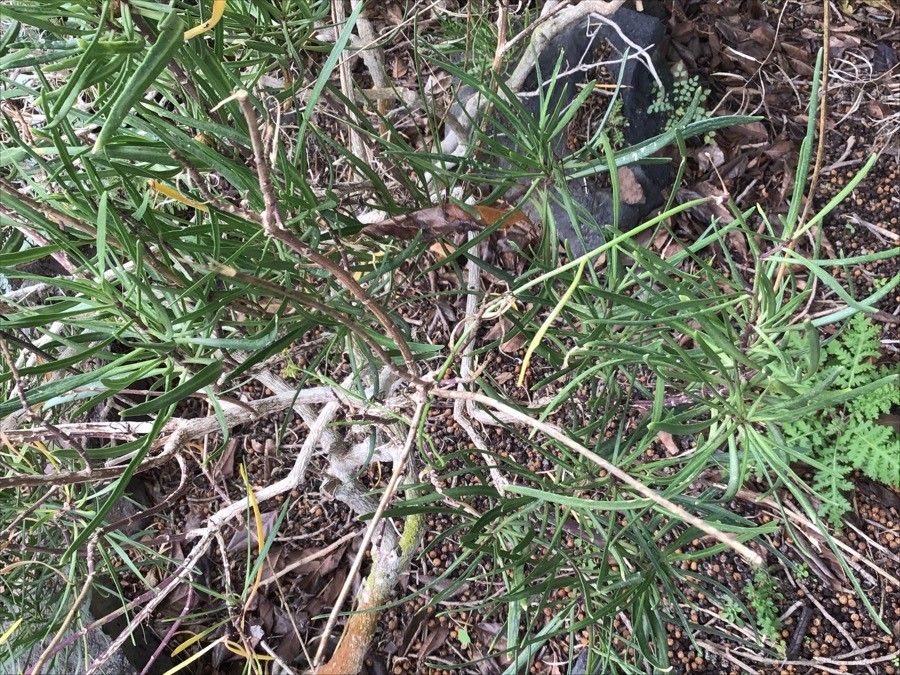
Unveiling the Secrets: Propagating the Enchanting Sinapidendron Angustifolium
The Sinapidendron angustifolium, a member of the Brassicaceae family, is a stunning evergreen shrub native to the island of Madeira. Known for its silvery-green leaves and vibrant yellow flowers that blanket its form in the springtime, this plant can be a show-stopping addition to any garden with a mild climate. However, finding this Madeiran treasure at your local nursery might be a challenge. That’s why we’re diving into the rewarding world of Sinapidendron angustifolium propagation – giving you the knowledge to grow this beauty yourself!
Two Paths to Propagation:
While not commonly propagated, Sinapidendron angustifolium offers two main methods for increasing your stock:
Seed Propagation: This method, mirroring the plant’s natural reproductive cycle, is a rewarding albeit somewhat unpredictable journey.
- Semi-ripe Cuttings: Offering a higher success rate and faster results, this technique involves rooting a portion of the parent plant.
The Seed Route: Patience is Key
• Timing is Everything: Sowing Sinapidendron angustifolium seeds in late winter or early spring gives them the advantage of a full growing season ahead.
• Sowing the Seeds: Use a well-draining seed starting mix and sow the seeds sparsely on the surface. Lightly press them in but don’t bury them.
• Creating the Ideal Environment: A warm, bright location (out of direct sunlight) with consistent moisture is crucial for successful germination. Consider using a humidity dome or covering the seed tray with plastic wrap to retain moisture.
• Germination: Be patient! Sinapidendron angustifolium seeds can be slow to germinate, sometimes taking several weeks or even months.
• Transplanting: Once seedlings have developed a couple of sets of true leaves, they can be carefully transplanted into individual pots.
The Cutting Edge: Semi-ripe Cuttings
• Timing: Late summer or early fall, when the plant’s growth is beginning to harden off, is the optimal time for taking cuttings.
• Taking the Cutting: Select a healthy, non-flowering stem and make a clean cut just below a leaf node. Aim for a cutting that’s about 4-6 inches long.
• Preparing the Cutting: Remove the lower leaves from the cutting, leaving only a couple of pairs at the top.
• Encouraging Root Development: Dipping the cut end in rooting hormone powder can significantly increase your chances of success.
• Planting the Cutting: Insert the prepared cutting into a pot filled with a well-draining, moist potting mix.
• Creating a Humid Environment: Covering the pot with a plastic bag or using a propagator will create a humid environment that promotes rooting.
• Rooting Time: It usually takes 4-6 weeks for cuttings to develop roots. Gently tugging on the cutting will let you know if roots have formed. Once rooted, the cutting can be potted up.
Important Considerations:
Regardless of the method you choose, Sinapidendron angustifolium thrives in well-drained soil and prefers a sunny location sheltered from strong winds. Regular watering is important, especially during the first growing season.
Propagating your own Sinapidendron angustifolium may require a bit of patience and effort, but the reward of seeing these captivating plants flourish in your garden is well worth it. So, why not embark on this exciting horticultural journey today?