
Unleashing the Power of Division: A Guide to Propagating Bolbitis Fluviatilis
Bolbitis fluviatilis, also known as the African Fern or Congo Fern, is a stunning aquatic plant prized for its delicate, translucent leaves and lush growth habit. While readily available for purchase, propagating your own Bolbitis fluviatilis can be a rewarding experience for any plant enthusiast.
Unlike many other aquatic plants that propagate through seeds or runners, Bolbitis fluviatilis primarily reproduces through division. This process, while seemingly simple, does require a bit of finesse and understanding of the plant’s growth pattern.
Understanding the Anatomy of Bolbitis Fluviatilis:
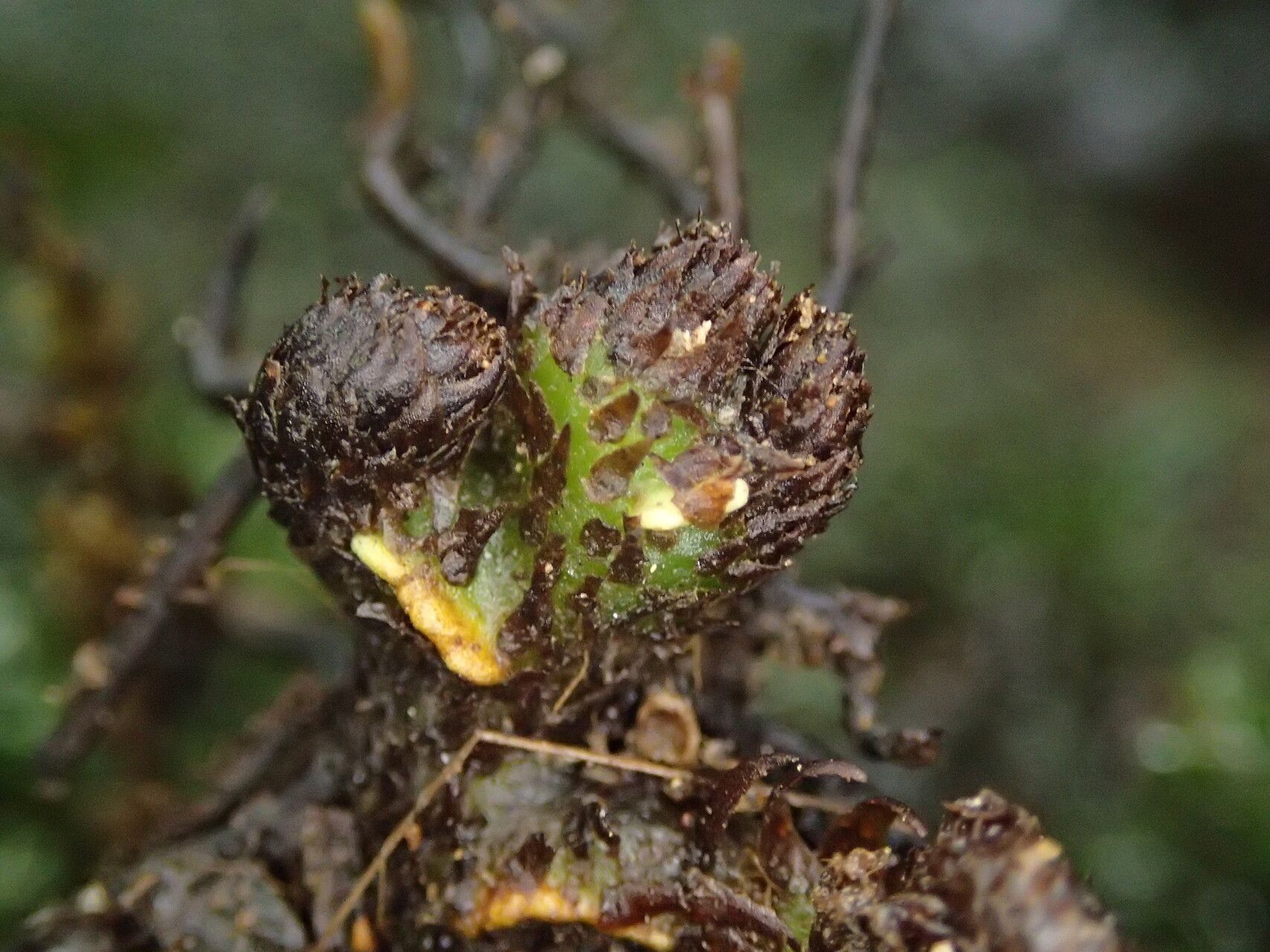
Before diving into propagation, it’s helpful to understand the plant’s structure. Bolbitis fluviatilis grows from a rhizome, a horizontal stem that creeps along surfaces. This rhizome produces leaves and roots at nodes, points along the stem where new growth emerges.
The Art of Division:
Propagating your Bolbitis fluviatilis relies on separating the rhizome into multiple sections, each capable of developing into a new plant. Here’s how to do it:
1. Gather Your Tools:
- Sharp, sterilized scissors or a razor blade
- Clean, aquarium-safe substrate
- Your established Bolbitis fluviatilis plant
2. Identify the Division Points:
Carefully examine your Bolbitis fluviatilis, looking for healthy sections along the rhizome with at least 3-4 leaves and a visible root system. Choose areas where the rhizome naturally wants to branch out.
3. Make the Cut:
Using your sterilized scissors or razor blade, make a clean cut through the rhizome at your chosen division point. Avoid crushing or damaging the rhizome during this process.
4. Preparing for Planting:
- Rhizome Attachment: While Bolbitis fluviatilis can be planted directly into the substrate, it thrives when attached to hardscape. You can gently tie the rhizome section to rocks or driftwood using cotton thread or fishing line. The plant will naturally attach itself over time.
- Substrate Considerations: Avoid burying the rhizome directly in the substrate as this can lead to rot. If planting directly, ensure the substrate is loose and well-oxygenated.
5. Patience is Key:
After planting your newly divided Bolbitis fluviatilis, be patient! The plant needs time to acclimate and establish itself. Avoid drastic changes in water parameters and provide moderate lighting. You’ll soon observe new growth emerging from the nodes, a testament to your successful propagation!
Beyond Division:
While division is the most common method, Bolbitis fluviatilis can also reproduce through plantlets. Occasionally, small plantlets will sprout directly from the leaves of mature plants. Once these plantlets develop a small rhizome and a few leaves, you can carefully detach and plant them as you would a divided section.
Conclusion:
Propagating Bolbitis fluviatilis through division is a relatively straightforward way to expand your aquatic garden and appreciate the intricate life cycle of this fascinating plant. With a little patience and understanding, you can enjoy the beauty of Bolbitis fluviatilis for years to come.