
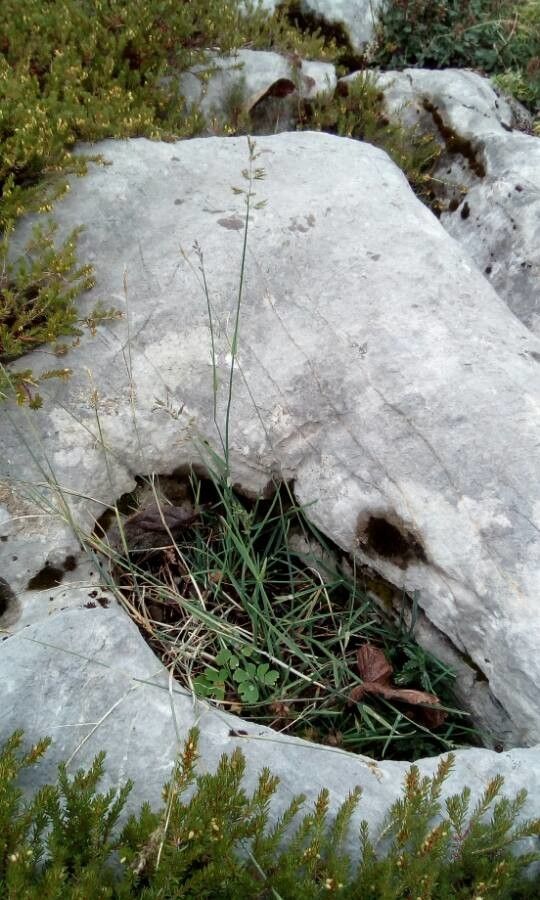
Unleash the Blue: Propagating the Striking Poa glauca
The plant world is full of hidden gems, and Poa glauca, commonly called Bluegrass or Glaucous Bluegrass, is one of them. This cool, blue-tinged grass adds a touch of unique beauty to gardens and landscapes. Whether you’re charmed by its color or its hardy nature, knowing how to propagate Poa glauca will help you spread its beauty throughout your outdoor spaces.
Two Main Methods: Division vs. Seeds
There are two primary ways to propagate Poa glauca:
1. Division: Division is the easiest and fastest way to multiply your Poa glauca plants. Here’s how:
- Timing: Early spring or fall are ideal times for dividing.
- Digging In: Carefully dig up a healthy clump of Poa glauca.
- Dividing the Spoils: Gently pull apart the clump into smaller sections, ensuring each section has a good root system.
- Replanting: Replant the divisions at the same depth they were originally growing, spacing them about 12 inches apart. Water deeply.
2. Seeds: While slightly more time-consuming, growing Poa glauca from seed offers a rewarding challenge:
- Seed Collection (Optional): If you already have Poa glauca, collect seeds once the flower heads turn brown and dry.
- Sourcing Seeds: Alternatively, purchase seeds from a reputable supplier.
- Sowing: Sow seeds in spring, either directly into the ground or in seed trays filled with a well-draining seed starting mix. Lightly press seeds into the soil but don’t bury them deeply.
- Patience and Care: Keep the soil consistently moist. Expect germination within 2-3 weeks. Thin out weaker seedlings to give stronger ones room to grow.
Tips for Success:
- Location, Location, Location: Poa glauca thrives in full sun to partial shade. Remember, this grass enjoys cooler temperatures.
- Well-Drained Soil is Key: Ensure good drainage to prevent root rot. Amending your soil with compost can help.
- Watering Wisely: Water regularly, especially during the first year after planting, but avoid overwatering.
- Fertilizer in Moderation: Poa glauca is not a heavy feeder. A light application of a balanced fertilizer in spring is usually sufficient.
The Beauty of Bluegrass:
Propagating Poa glauca is a rewarding endeavor. This tough-yet-elegant grass offers year-round interest, with blue-green foliage that intensifies in cooler months and delicate, airy flower plumes in summer. Use it as a striking accent plant, in rock gardens, as part of a xeriscape, or even in containers.
So, why not embrace the simplicity of propagation and expand the reach of the stunning Poa glauca in your own garden? With a little effort, you’ll be rewarded with a piece of subtle, icy-blue beauty for years to come.