
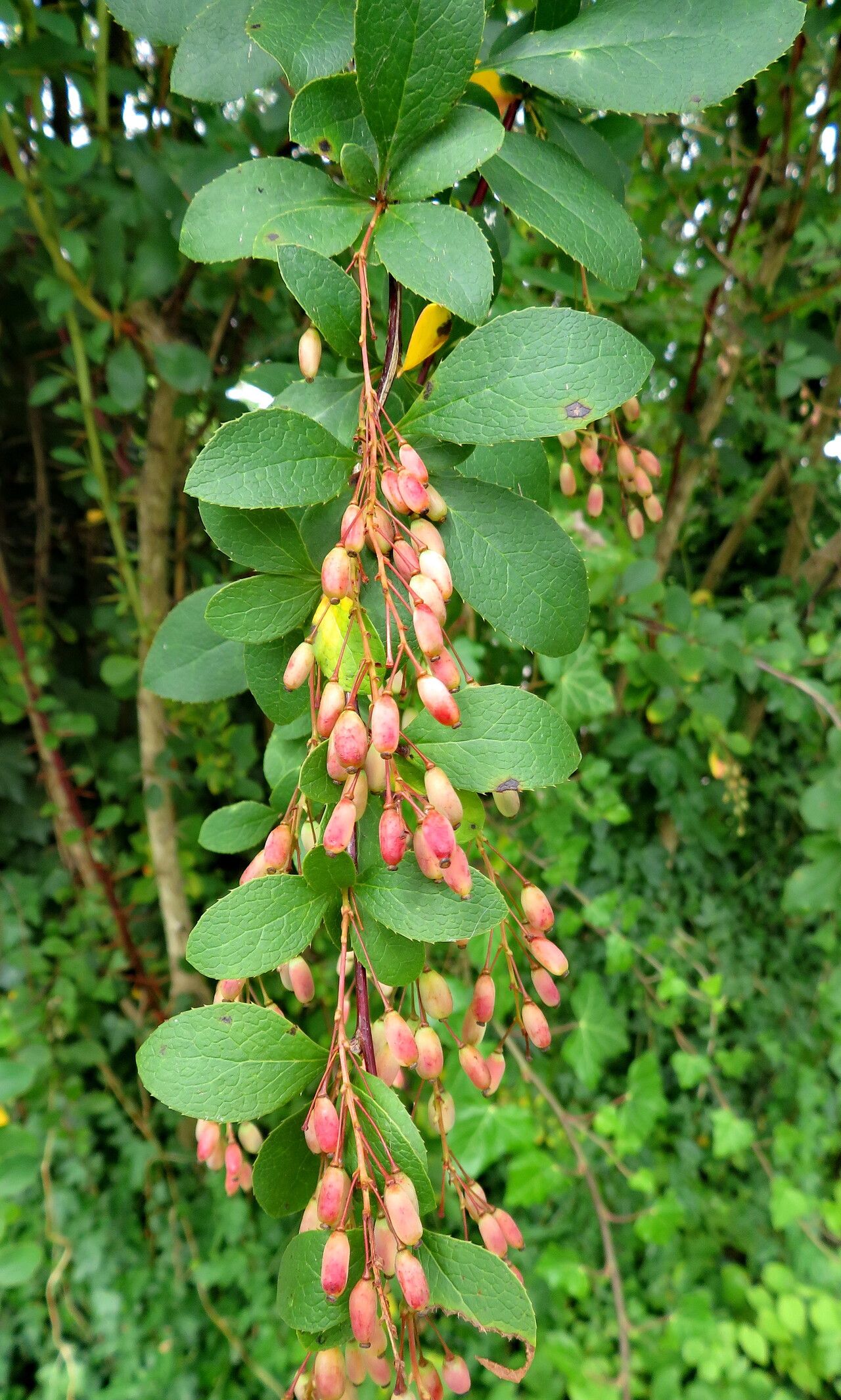
Unleashing the Beauty of Barberry: Propagating Berberis heteropoda
Berberis heteropoda, the lovely deciduous shrub known for its vibrant fall foliage and plump, blue-black berries, is a sight to behold. While sourcing this beauty from a nursery is one option, propagating your own allows you to multiply your collection, share the joy with fellow gardeners, and fully appreciate the plant’s life cycle.
This guide delves into the propagation methods for Berberis heteropoda, empowering you to grow this captivating shrub with confidence.
Two Paths to Propagation: Seeds and Cuttings
Berberis heteropoda offers two primary propagation methods:
1. Seeds: Embracing the Adventure of New Beginnings
Propagation from seeds is an exciting, albeit slower, approach. It allows you to witness the plant’s entire life cycle, from tiny seed to thriving shrub.
Timing is Key: Harvest ripe berries in the fall. Look for plump, dark-colored berries, indicating maturity.
Steps for Seed Propagation:
- Extract the Seeds: Gently crush the berries and separate the seeds from the pulp. Clean the seeds thoroughly and allow them to dry.
- Cold Stratification: Mimic nature’s winter chill by storing the seeds in a moist medium (like vermiculite) in the refrigerator for 2-3 months. This step is crucial for breaking dormancy and encouraging germination.
- Sowing the Seeds: In spring, sow the seeds in seed trays filled with well-draining soil. Cover lightly with soil and keep consistently moist.
- Patience is a Virtue: Germination can be slow and erratic with Berberis heteropoda seeds. Be patient, and with consistent care, you’ll be rewarded with seedlings.
2. Cuttings: A Faster Route to Established Plants
For quicker results and genetic replicas of the parent plant, cuttings are your go-to method.
Optimal Timing: Take cuttings in late spring or early summer from new growth.
Steps for Cutting Propagation:
- Select Healthy Shoots: Choose vigorous, non-flowering shoots about 4-6 inches long. Look for healthy, disease-free stems.
- Prepare the Cuttings: Remove the lower leaves, leaving 2-3 pairs at the top. Make a clean cut just below a leaf node.
- Encourage Rooting: Dip the cut end in rooting hormone (optional but recommended) to stimulate root development.
- Plant the Cuttings: Gently insert the cuttings into a well-draining potting mix, burying at least two nodes below the surface.
- Creating a Humid Environment: Cover the cuttings with a plastic bag or dome to maintain humidity.
- Rooting Time: Expect rooting to occur within 4-6 weeks. Once the cuttings show signs of new growth, gradually acclimate them to normal conditions before transplanting.
Nurturing Your New Berberis Heteropoda
Whether you choose seeds or cuttings, proper care is essential for thriving Berberis heteropoda:
- Well-Drained Soil: Plant in a location with well-drained soil to prevent root rot.
- Sun or Partial Shade: While Berberis heteropoda prefers full sun, it can tolerate partial shade, especially in hotter climates.
- Water Wisely: Water deeply but infrequently, allowing the soil to dry slightly between waterings.
- Pruning for Shape and Health: Prune in late winter or early spring to remove any dead, damaged, or crossing branches.
The Rewards of Propagation
Propagating your own Berberis heteropoda is a rewarding experience for any gardener. It allows you to expand your collection, share this beautiful shrub with others, and develop a deeper connection with the plant’s life cycle. With a bit of patience and the right techniques, you can unlock the magic of propagation and enjoy the beauty of Berberis heteropoda for years to come.