
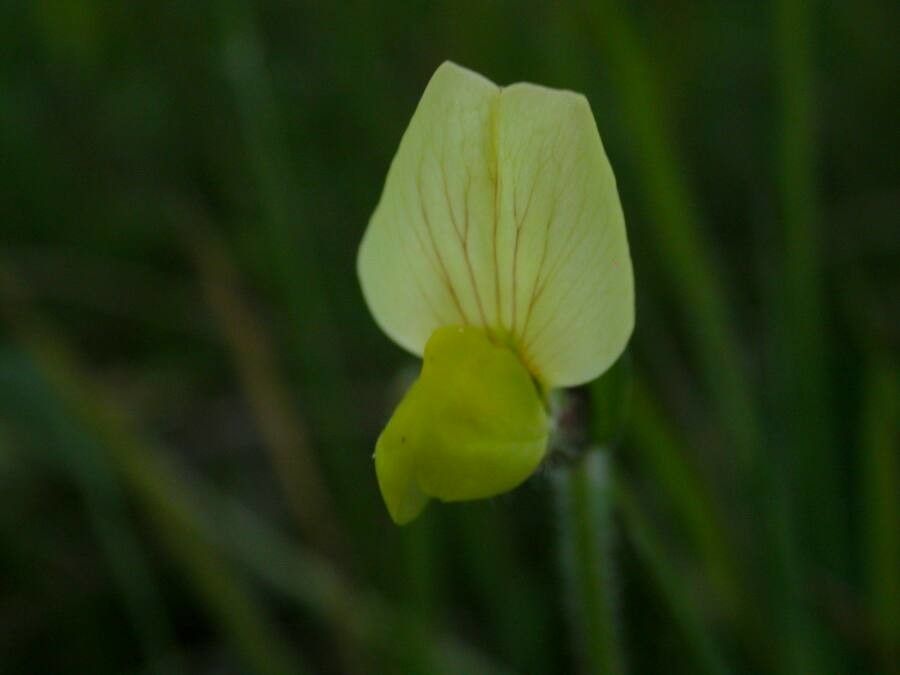
Unfurling the Secrets: How to Propagate the Enchanting Sea Lotus (Lotus maritimus)
The Sea Lotus (Lotus maritimus), with its delicate yellow blooms and coastal charm, might seem like a botanical mystery. But don’t let its association with mythical sirens and sea nymphs fool you; propagating this beauty is a surprisingly achievable feat for both novice and seasoned gardeners alike.
While admiring its natural elegance in seaside landscapes is a treat, why not bring a touch of that coastal magic to your own garden? Let’s dive into the world of Sea Lotus propagation and uncover the secrets to cultivating this enchanting plant.
Two Paths to Lotus Glory: Seeds and Divisions
Like many plant species, the Sea Lotus offers us not one but two exciting pathways for propagation:
1. Sowing the Seeds of Success:
- Timing is Key: Collect mature seed pods in late summer or early fall. These will be brown and dry, with each pod containing numerous small, hard seeds.
- Breaking Dormancy’s Spell: Like many coastal plants, Sea Lotus seeds possess a natural dormancy mechanism. To awaken their growth potential, you’ll need to mimic nature’s touch. Gently nick the seed coat with a nail file or sandpaper, careful not to damage the inner embryo.
- Sowing and Patience: Sow your nicked seeds in a mix of seed-starting compost and sand or perlite for good drainage. Keep the soil consistently moist but not waterlogged, and provide a warm and bright location, out of direct sunlight. Germination can take anywhere from a few weeks to a few months, so practicing patience is key.
- Transplanting with Care: Once your seedlings have developed a sturdy root system and a few true leaves, they can be carefully transplanted to larger pots or directly into your garden.
2. Dividing and Conquering:
- The Right Time and Place: Early spring, before new growth emerges, is the optimal time for division. This method works best with established Sea Lotus plants.
- Gentle Separation: Carefully dig up the entire plant, ensuring you disturb the roots as little as possible. Using a sharp, clean knife or garden spade, divide the rhizome (the underground stem) into sections, making sure each section has a healthy amount of roots and shoots attached.
- Replanting and Enjoying the Bounty: Replant the divisions at the same depth they were originally growing, ensuring the growing points are above the soil line. Water them in well and watch as they establish themselves.
Creating the Perfect Seaside Haven:
Whether you choose the path of seeds or divisions, providing the right environment is crucial for your Sea Lotus to thrive:
- Sun-Kissed Shores: Mimic the plant’s natural habitat by selecting a sunny location that receives at least 6 hours of direct sunlight per day.
- Well-Draining Soil: The Sea Lotus prefers a moist but well-drained soil. Amending your soil with sand, grit, or perlite can improve drainage and prevent waterlogging.
- Watering Wisely: While the Sea Lotus appreciates regular moisture, avoid overwatering, which can lead to root rot. Allow the topsoil to dry slightly between waterings.
Propagating the Sea Lotus is a rewarding experience that brings the allure of the coast right to your doorstep. So, go forth and experiment! With a bit of patience and green-thumb dedication, you’ll be rewarded with stunning blooms that will enchant your garden for years to come.