
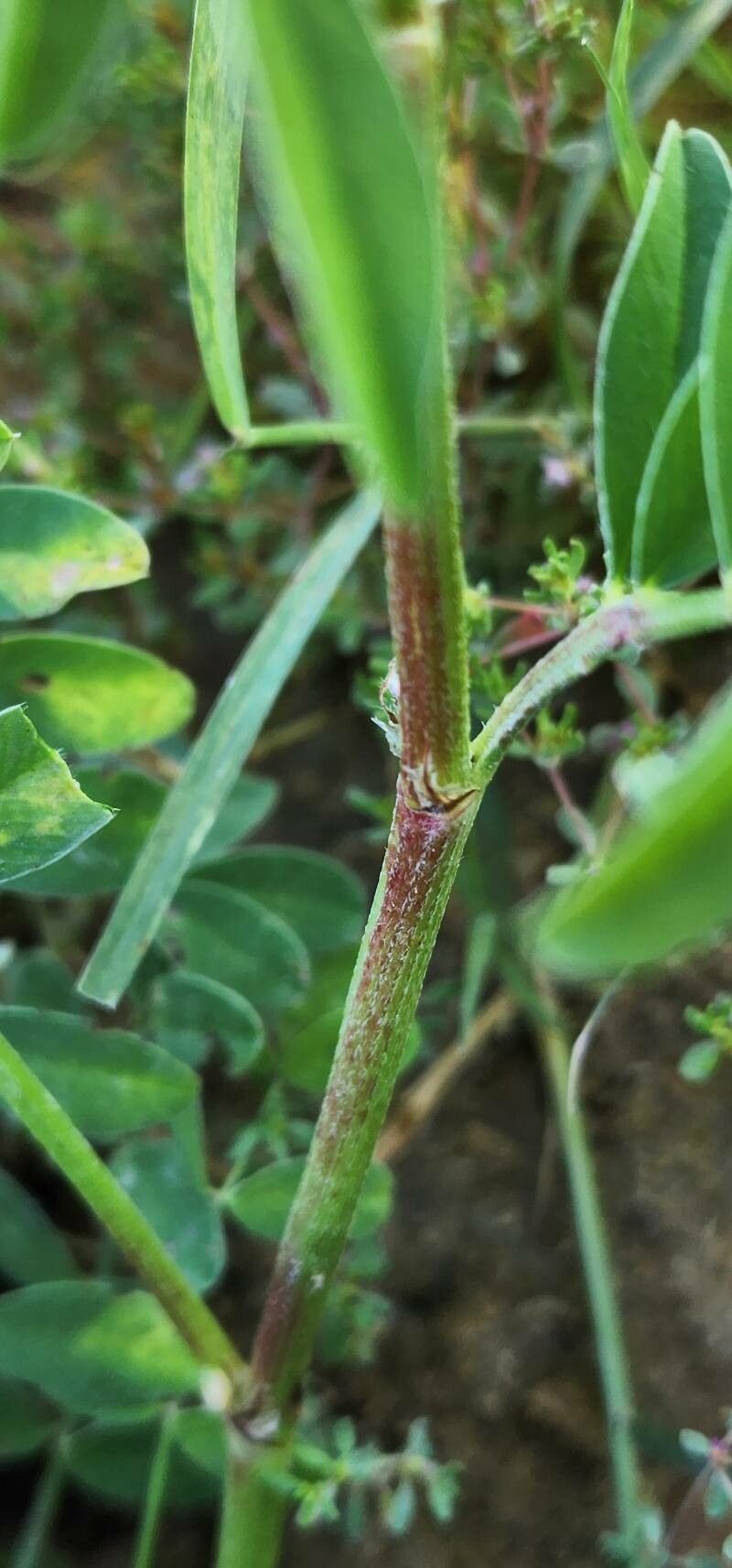
Unlocking the Crescent: Propagating the Unique Onobrychis lunata
Onobrychis lunata, also known as the crescent honeysuckle or sickle milkvetch, is a captivating plant with unique crescent-shaped seed pods that add a touch of whimsy to any garden. Native to southwestern Asia, this perennial legume boasts beautiful pink flowers that attract pollinators and contribute to a vibrant ecosystem. If you’re looking to introduce this charming plant to your green space, understanding its propagation methods is key.
While information specifically on Onobrychis lunata propagation might seem scarce, its classification as a legume provides valuable clues. Most legumes, including common peas and beans, share similar propagation techniques. Let’s explore the two most successful methods:
1. Seed Starting: Embracing the Cycle of Life
Propagating Onobrychis lunata from seed is a rewarding experience that connects you to the plant’s life cycle. Here’s a step-by-step guide:
- Seed Collection: Collect mature seed pods directly from the plant. Look for pods that have turned brown and brittle, indicating seed ripeness.
- Seed Scarification: Due to their hard outer shells, O. lunata seeds benefit from scarification, a process that scratches or nicks the seed coat. Lightly rub the seeds between sandpaper sheets or use a nail clipper to nick the seed coat, allowing for easier water absorption.
- Cold Stratification (Optional): Mimicking the natural chilling period experienced in the wild can further enhance germination. Mix the seeds with slightly damp sand or vermiculite and store them in a sealed bag in your refrigerator for 4-6 weeks.
- Sowing: Sow seeds directly outdoors after the last frost or start them indoors 6-8 weeks before the last expected frost. Plant seeds ¼ to ½ inch deep in well-draining soil.
- Watering and Sunlight: Keep the soil consistently moist but not waterlogged. Choose a location with full sun to partial shade for optimal growth.
2. Cutting Propagation: Cloning Your Beloved Plant
For a quicker method, consider propagating Onobrychis lunata from cuttings:
- Timing is Key: The best time for taking cuttings is late spring or early summer, when the plant is actively growing.
- Selecting Your Cuttings: Choose healthy, non-flowering stems about 4-6 inches long. Make a clean cut just below a leaf node using a sharp, sterilized knife or pruning shears.
- Preparing the Cuttings: Remove the lower leaves, leaving 2-3 leaves at the top of the cutting. Dip the cut end in rooting hormone powder (optional) to encourage root development.
- Planting and Care: Plant the cuttings in a pot filled with a well-draining potting mix. Water thoroughly and cover the pot with a clear plastic bag or humidity dome to create a warm, humid environment.
- Rooting and Transplanting: After a few weeks, tug gently on the cuttings. Resistance indicates root development. Once roots are established, transplant the cuttings into individual pots or directly into the garden.
Tips for Success:
- Well-draining soil is crucial for Onobrychis lunata to prevent root rot.
- Patience is key. Germination and rooting can take several weeks.
- Regularly check for pests and diseases, addressing them promptly.
Propagating Onobrychis lunata, while needing a little extra care, is a rewarding endeavor. Whether you choose to start from seed or cuttings, the satisfaction of cultivating this unique plant is an enriching experience. So why wait? Embark on this botanical adventure and bring the charm of Onobrychis lunata to your own garden haven!