
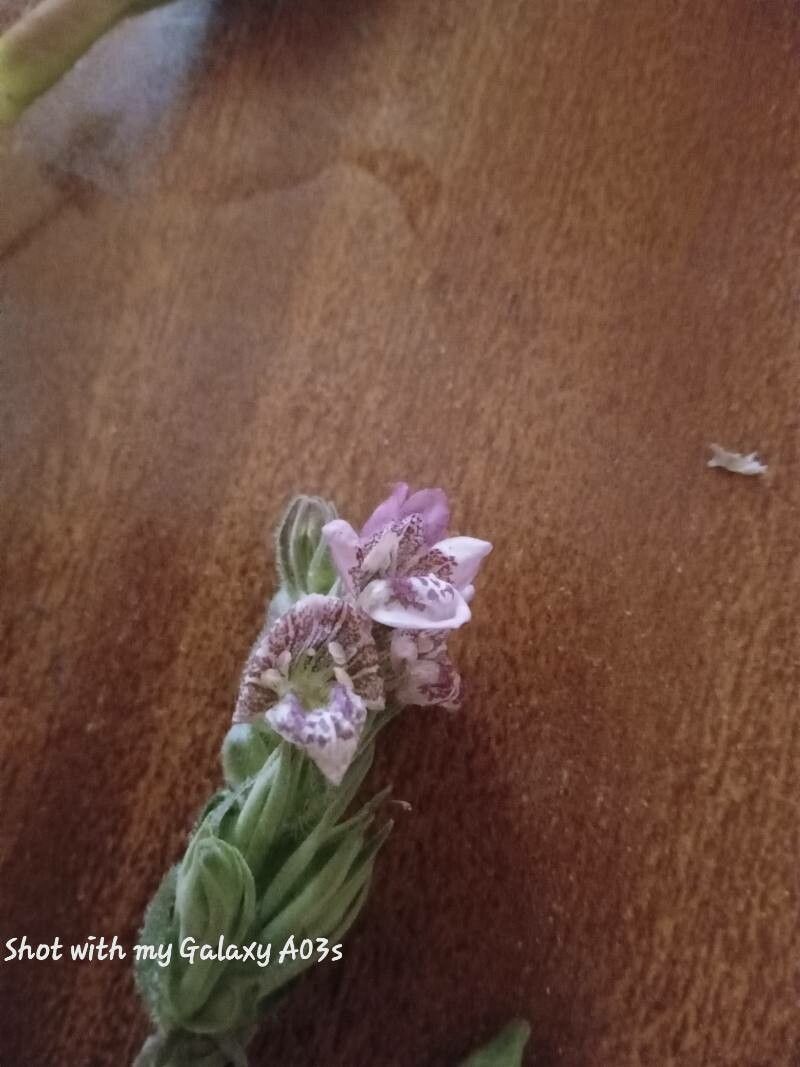
Spreading the Joy: Easy Propagation Techniques for Asystasia Riparia
Asystasia riparia, also known as the Chinese violet or Coromandel asystasia, is a vigorous grower known for its lush foliage and delicate, trumpet-shaped flowers. Whether you’re a seasoned gardener or just starting, propagating Asystasia riparia is surprisingly simple, allowing you to easily expand your garden or share this beautiful plant with friends.
This guide will walk you through the most effective methods for propagating Asystasia riparia:
1. Propagation from Cuttings:
Stem cuttings are the most popular and efficient way to propagate this resilient plant. Here’s how:
- Timing is Key: Take your cuttings in spring or early summer when the plant is actively growing.
- Select Healthy Stems: Choose healthy stems that are free from pests or diseases. Ideally, the stem should be about 4-6 inches long.
- Make the Cut: Using a sharp, clean knife or pruning shears, cut just below a leaf node (the point where a leaf emerges from the stem).
- Prepare the Cutting: Remove the lower leaves from the cutting, leaving 2-3 leaves at the top. This minimizes moisture loss and encourages root development.
- Optional: Rooting Hormone: While not essential, dipping the cut end in rooting hormone can speed up the process.
- Planting: Plant the cutting in a well-draining potting mix (a mix of peat moss, perlite, and vermiculite works well), ensuring that at least one leaf node is buried.
- Create a Humid Environment: Cover the pot with a plastic bag or use a propagation dome to retain moisture and create a humid environment.
- Light and Water: Place the cutting in a bright location, but out of direct sunlight. Keep the soil consistently moist but not waterlogged.
With proper care, roots should develop within 4-6 weeks. You can test for root development by gently tugging on the cutting; resistance means roots are forming.
2. Propagation from Seed:
While less common than cuttings, propagating Asystasia riparia from seed can be a rewarding experience.
- Seed Collection: Collect mature seeds from dried seed pods on the plant.
- Sowing: Sow the seeds in a seed-starting mix, lightly pressing them into the soil.
- Conditions: Provide warmth (around 70-75°F) and keep the soil consistently moist.
- Light: Once the seedlings emerge, provide them with bright, indirect light.
Germination can take a few weeks to a couple of months. Transplant the seedlings into individual pots once they have developed a few true leaves.
Tips for Success:
- Cleanliness Counts: Always use clean tools and pots to prevent the spread of diseases.
- Ideal Environment: Asystasia riparia thrives in warmth and humidity. Providing these conditions, especially during propagation, will greatly increase your success rate.
- Patience is Key: Propagation takes time. Don’t be discouraged if you don’t see results immediately.
By following these straightforward methods, you can easily multiply your Asystasia riparia collection and enjoy its beauty in your garden for years to come. Happy propagating!