
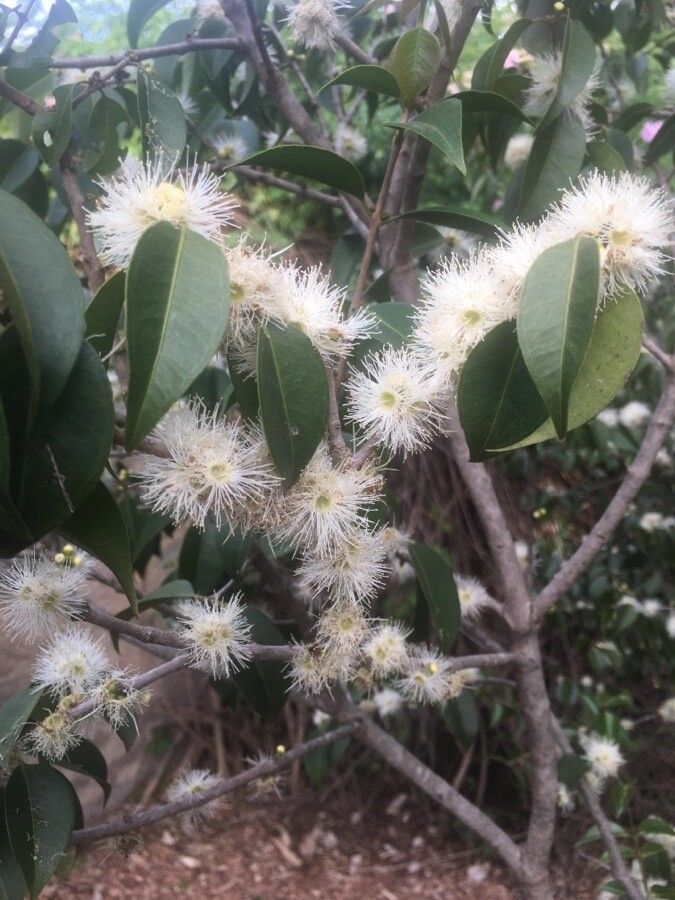
Unlocking the Secrets of the Black Ironwood: A Guide to Propagating Neomitranthes obscura
The Black Ironwood (Neomitranthes obscura), a Florida Keys endemic, is a captivating plant with an air of mystery. Its leathery, dark green leaves and intriguing, contorted branches make it a stunning addition to any landscape fortunate enough to host it. However, acquiring this botanical gem can be challenging as it is considered endangered in its natural habitat. But for the dedicated plant enthusiast, the rewards of propagating Black Ironwood are well worth the effort.
While information on propagating Neomitranthes obscura is limited due to its rarity, we can piece together successful strategies based on its family characteristics (Myrtaceae) and anecdotal evidence from experienced growers.
Seed Propagation: A Test of Patience
Seed propagation, the most natural route, presents a unique set of challenges. Black Ironwood seeds are notoriously slow to germinate, often taking several months.
Here’s how to tip the odds in your favor:
- Obtain fresh seeds: Sourcing seeds from reputable nurseries specializing in native plants is crucial.
- Scarification is key: The tough outer coating of the seed needs a little encouragement. Gently nick or rub the seed coat with sandpaper to break dormancy.
- Warm and moist is best: Sow seeds in a well-draining seed starting mix, keeping them consistently moist and at a temperature between 75°F to 85°F. A heat mat can be beneficial in maintaining consistent warmth.
- Patience is paramount: Don’t be disheartened by slow progress. Germination can take anywhere from a few months to a year.
Cutting Edge Propagation: A Faster Route
Propagating Black Ironwood from cuttings offers a quicker, potentially more successful alternative.
Follow these steps for the best results:
- Timing is everything: Take semi-hardwood cuttings in late spring or early summer when the plant is actively growing.
- Choose wisely: Select healthy, disease-free branches with new growth. Cuttings should be around 4-6 inches long.
- Hormone boost: Dip the cut end in rooting hormone to encourage root development.
- Create the ideal environment: Plant the cuttings in a well-draining potting mix and place them in a humid environment. A propagation box or a plastic bag over the pot can help retain moisture.
- Moderate sunlight: Place cuttings in a location with bright, indirect sunlight.
- Patience, again: Rooting can take several weeks. Check for resistance when gently tugging on the cuttings to determine if roots have formed.
Post-Propagation Care: Nurturing Your Success
Once your Black Ironwood seedlings or cuttings show signs of growth, gradually acclimate them to their intended environment. They thrive in full sun to partial shade and well-draining soil. Water regularly, especially during the first year, but allow the soil to dry slightly between waterings to prevent root rot.
Conservation through Propagation:
By successfully propagating Black Ironwood, you’re not only adding a unique plant to your collection, but also contributing to the conservation of this rare and beautiful species. Remember, patience and persistence are key, and the reward of witnessing a new generation of Black Ironwood is well worth the effort.