
Unveiling the Secrets of Moraea polystachya: A Guide to Propagation
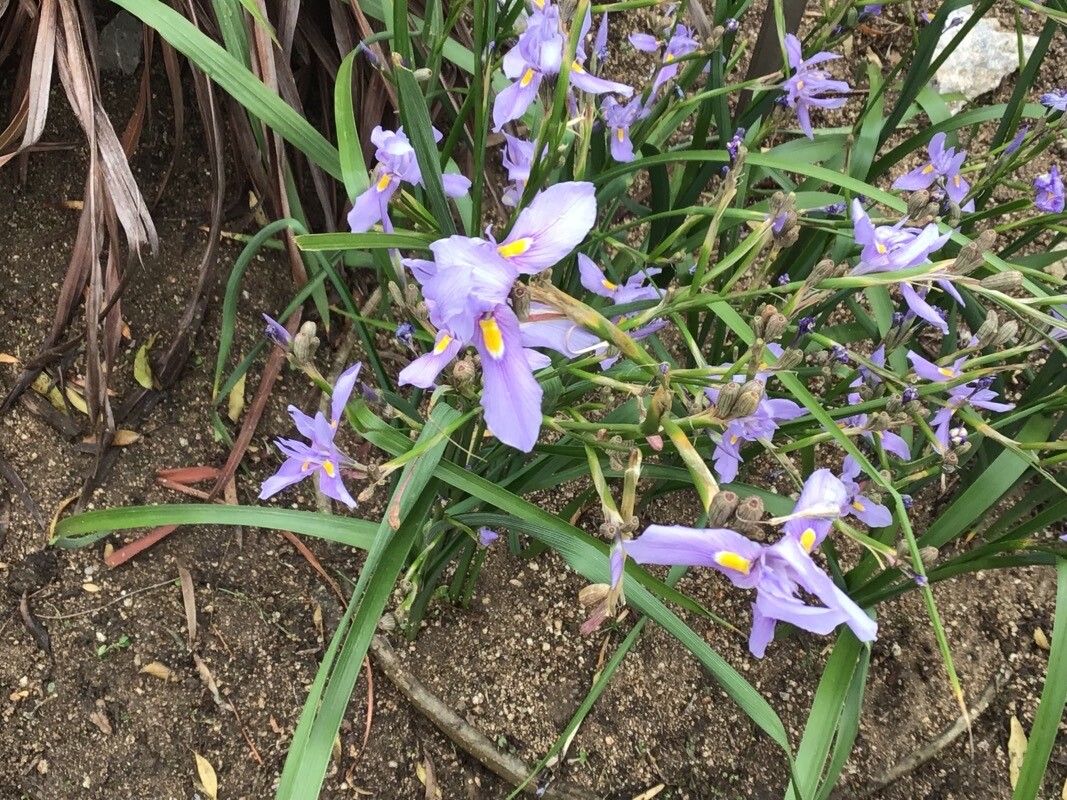
The “Blue Eyes” of the floral world, Moraea polystachya, is a sight to behold. Native to the grasslands of southern Africa, this captivating corm-producing perennial boasts vibrant blue to purple flowers with striking yellow nectar guides. Also known as the “Wide-mouthed Cape Tulip,” it adds a touch of exotic beauty to gardens across the globe.
While admiring its beauty is a joy in itself, have you ever considered propagating your own Moraea polystachya? It’s easier than you think! Let’s delve into the different methods to multiply these floral gems:
1. Seeds: A Journey of Patience and Reward
Propagating Moraea polystachya from seed offers a fascinating glimpse into the plant’s life cycle. While it requires patience, the sight of the first true leaves emerging is truly rewarding.
- Timing is Key: Sow seeds in late summer or early fall.
- Sowing the Future: Use a well-draining seed starting mix, lightly cover the seeds, and maintain moisture.
- Light and Warmth: Place the seed tray in a bright location, away from direct sunlight.
- Germination: The Waiting Game: Germination can take anywhere from a few weeks to a couple of months.
- Transplanting Time: Once the seedlings are large enough to handle, transplant them into individual pots or directly into the garden.
2. Corm Offsets: A Shortcut to Floral Abundance
For a quicker and more reliable method, propagating from corm offsets is the way to go.
- Division Time: Divide the corms when the plant is dormant, usually after the foliage has died back.
- Gentle Separation: Carefully unearth the clump and gently separate the offsets from the parent corm.
- Replanting: Replant the offsets immediately in a well-draining mix, ensuring the top of the corm is level with the soil surface.
- Water Wisely: Water sparingly until new growth emerges.
Caring for Your Propagated Treasures
- Sunlight Lovers: Moraea polystachya thrives in full sun to partial shade.
- Well-Drained Soil: Plant in well-drained soil to prevent waterlogging and corm rot.
- Watering Wisely: Water regularly during the growing season, allowing the soil to dry out slightly between waterings. Reduce watering during the dormant period.
- Feeding for Success: Fertilize monthly during the growing season with a balanced liquid fertilizer.
A Note of Caution:
- While beautiful, Moraea polystachya is considered toxic to humans and animals if ingested. Keep out of reach of children and pets.
In Conclusion:
Propagating Moraea polystachya is a rewarding experience for both novice and experienced gardeners. Whether you choose the patience of seeds or the efficiency of corm offsets, you’ll be rewarded with a beautiful display of “Blue Eyes” that will bring joy for years to come. So, why not give it a try? You might just discover a new passion for plant propagation!