
Unlocking the Secrets of Proustia pyrifolia Propagation: A Step-by-Step Guide
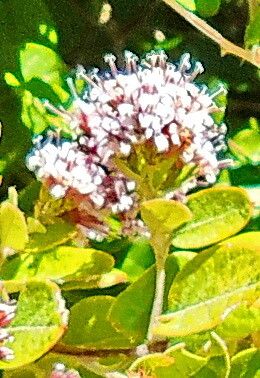
Proustia pyrifolia, also known as the leatherleaf goldenweed, is a captivating evergreen shrub native to the Chilean Andes. With its leathery, aromatic foliage and vibrant yellow, daisy-like flowers, this plant can add a touch of exotic beauty to gardens with mild, temperate climates. While not commonly found in nurseries, propagating your own Proustia pyrifolia is achievable with a little patience and the right techniques.
This comprehensive guide will unlock the secrets of successfully propagating this unique plant, empowering you to expand your garden with its captivating charm.
Propagation Methods
Two primary methods are viable for propagating Proustia pyrifolia:
1. Seed Propagation:
- Seed Collection: Collect mature seeds from dried flower heads in late summer or autumn. Gently crush the flower heads to release the seeds.
- Seed Preparation & Sowing: No pretreatment is typically required for germination. Sow the seeds in a well-draining seed-starting mix, lightly pressing them onto the surface and covering them with a thin layer of vermiculite.
- Conditions for Germination: Provide a consistently moist but not waterlogged environment. A humidity dome or placing the seed tray inside a plastic bag can help retain moisture. Place the tray in a bright location with indirect sunlight and maintain temperatures around 65-75°F (18-24°C).
- Germination Time & Care: Germination can be slow and erratic, ranging from a few weeks to several months. Be patient and continue providing consistent moisture and light. Once the seedlings emerge and develop a few true leaves, they can be gradually hardened off and transplanted into individual pots.
2. Semi-Hardwood Cuttings:
- Timing: The optimal time for taking cuttings is during the late spring or early summer when the plant is actively growing.
- Cutting Selection & Preparation: Choose healthy, non-flowering stems that are approximately 4-6 inches (10-15 cm) long. Make a clean cut just below a leaf node using a sharp, sterilized cutting tool. Remove the leaves from the lower half of the cutting.
- Rooting Hormone (Optional): While not essential, dipping the cut end in rooting hormone can enhance the success rate, especially for beginners.
- Planting & Conditions: Plant the cuttings in a well-draining rooting mix, ensuring that at least one leaf node is buried. Water thoroughly and maintain high humidity around the cuttings using a humidity dome or a plastic bag.
- Rooting Time & Care: It typically takes 4-8 weeks for cuttings to develop roots. During this time, ensure consistent moisture and indirect sunlight. Once roots develop, gradually acclimatize the new plants to outdoor conditions before transplanting them to their permanent location.
Tips for Success
- Well-Draining Soil: Proustia pyrifolia thrives in well-drained soil. Ensure your potting mix or garden bed allows for adequate drainage to prevent root rot.
- Sunlight Requirements: While tolerant of some shade, providing at least 4-6 hours of direct sunlight encourages optimal growth and flowering.
- Watering: Water deeply but infrequently, allowing the soil to dry slightly between waterings.
- Pest & Disease Control: Monitor plants for common pests like aphids or spider mites. Ensure good air circulation to prevent fungal diseases.
Propagating your own Proustia pyrifolia might require some patience and care, but the rewards of witnessing new life flourish from seed or cutting are immensely satisfying. Embrace the journey and enjoy the process of expanding your garden with this captivating and relatively rare botanical treasure.