
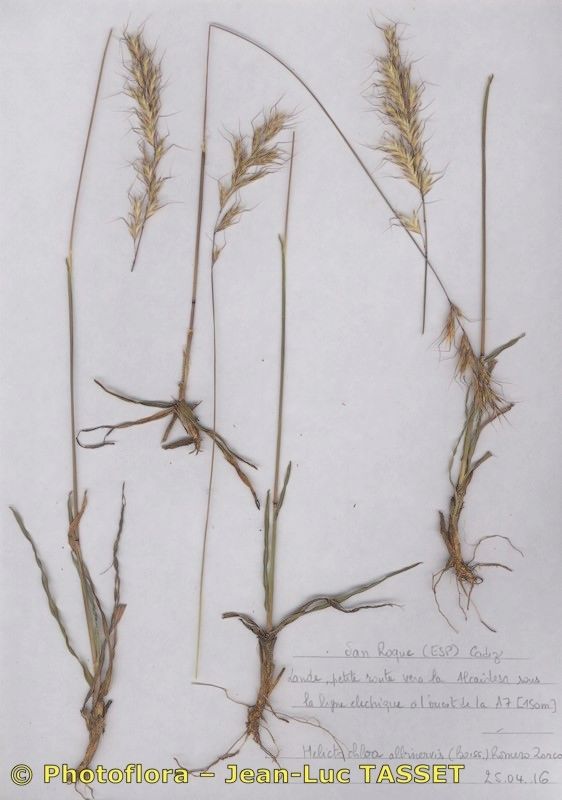
Unlocking the Secrets: How to Propagate the Striking Helictochloa albinervis
Looking to add a touch of wild elegance to your garden? Then look no further than Helictochloa albinervis, more commonly known as French Oat Grass. This stunning ornamental grass boasts airy plumes of green flowers with contrasting white veins, adding texture and movement to any landscape. While readily available for purchase, propagating your own Helictochloa albinervis can be a rewarding experience for any plant enthusiast. So, let’s dive into the secrets of multiplying this beautiful grass!
Two Roads Diverge: Seed vs. Division
The good news is that Helictochloa albinervis can be propagated through two simple methods: seed and division.
1. Sowing the Seeds of Success:
- Timing is Key: The ideal time to sow Helictochloa albinervis seeds is in the spring after the last frost has passed. This allows the seedlings ample time to establish themselves before winter.
- Sowing Surface: You can start your seeds indoors using seed trays or sow them directly outdoors in a prepared seedbed.
- Well-Drained Delight: Ensure your chosen soil is well-drained and loose. A seed starting mix works well for indoor sowing, while amending your garden soil with compost can improve drainage outdoors.
- Light as a Feather: Sprinkle your seeds onto the soil surface, pressing them in lightly. Helictochloa albinervis seeds require light to germinate, so avoid burying them deeply.
- Moisture is Magic: Keep the soil consistently moist but not waterlogged. A spray bottle is a useful tool for ensuring gentle watering.
- Patience, Young Padawan: Germination can take anywhere between 14 to 28 days. Be patient and maintain consistent moisture levels.
2. Dividing and Conquering:
- Mature and Ready: Division is best carried out in the spring when the plant is actively growing. Ensure your Helictochloa albinervis clump is mature enough to divide, ideally at least three years old.
- Tools of the Trade: You’ll need a sharp, clean spade or garden knife for dividing your plant.
- Divide and Conquer: Carefully dig around the perimeter of the clump, loosening the soil. Gently lift the entire plant and shake off excess soil to expose the roots.
- Separation Anxiety (Not!): Identify natural divisions within the root ball and carefully separate them using your spade or knife. Each division should have a good amount of roots and shoots attached.
- New Beginnings: Replant the divisions at the same depth they were originally growing. Water them in well and maintain consistent moisture as they establish.
Thriving Beyond Propagation:
- Helictochloa albinervis thrives in full sun to partial shade.
- Well-drained soil is crucial for preventing root rot.
- While relatively drought-tolerant once established, regular watering during the growing season promotes healthy growth.
- This grass typically doesn’t require heavy fertilization. However, amending the soil with compost annually can be beneficial.
- Dead foliage can be trimmed in late winter or early spring before new growth appears.
A Rewarding Endeavor:
Whether you choose to propagate by seed or division, witnessing new Helictochloa albinervis plants flourish is a truly satisfying experience. Their unique beauty, ease of care, and propagation options make them an excellent choice for gardeners of all levels. So why not take on the challenge and add a touch of wild grace to your own green haven?