
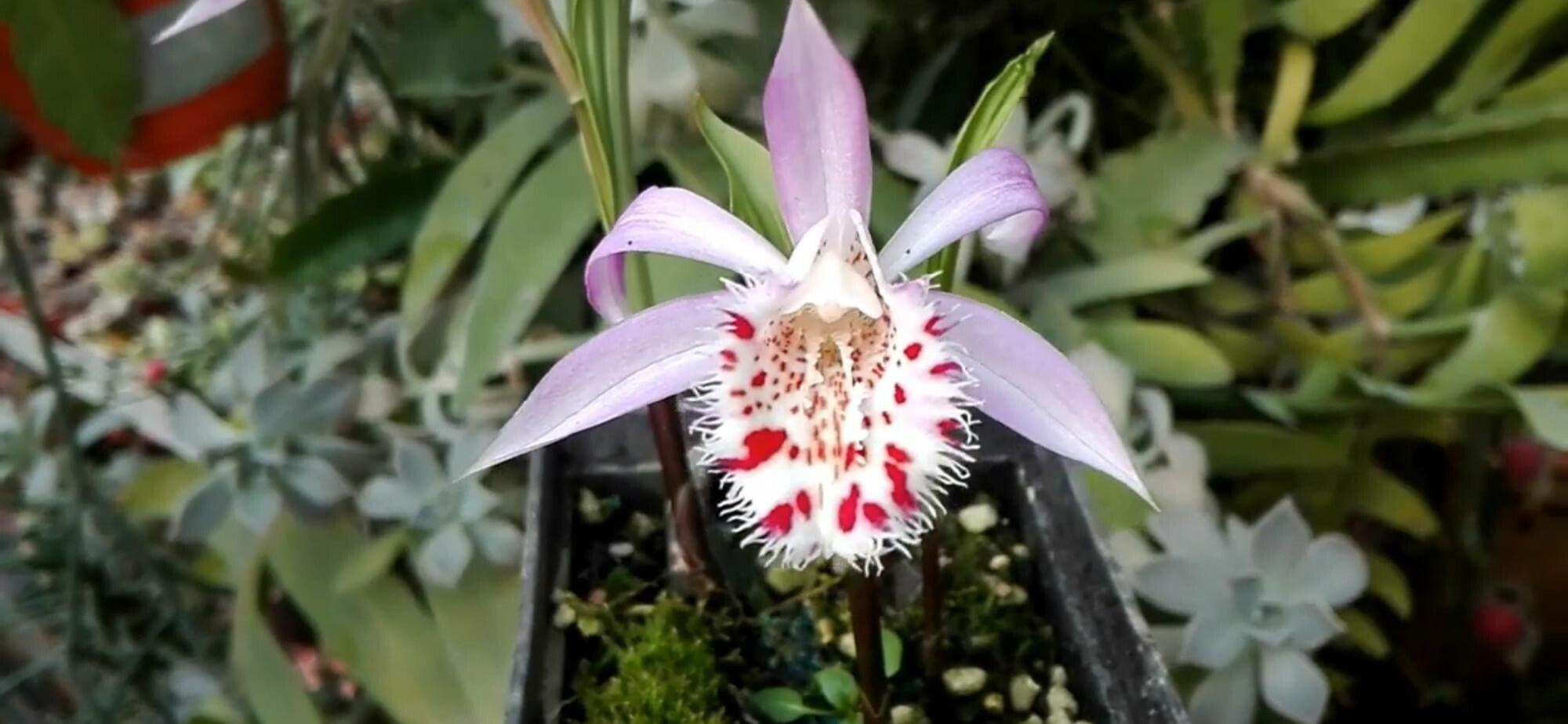
Demystifying Miniature Orchids: A Guide to Propagating Pleione Humilis
The Pleione humilis, with its charming miniature blooms and graceful demeanor, is a jewel among orchids. But don’t let its delicate appearance fool you! This terrestrial orchid, native to the Himalayas, is surprisingly resilient and, dare we say, surprisingly easy to propagate. If you’re looking to expand your orchid family or share the beauty of the Pleione humilis with friends, then read on!
Understanding the Lifecycle:
The key to successful propagation lies in understanding the plant’s natural rhythm. Pleione humilis are deciduous, meaning they lose their leaves and enter a dormant period during winter. It’s during this dormancy, when new growths emerge from the base of the pseudobulbs (those bulb-like structures at the base of the leaves), that propagation opportunities arise.
Two Main Methods:
Division: The most common and straightforward method.
- Timing is Key: As new growths appear in late winter or early spring, carefully remove the plant from its pot.
- Identify Divisions: Look for clumps of pseudobulbs with at least 2-3 healthy growths each.
- Gently Separate: Using a clean, sharp knife or your fingers, divide the clumps, ensuring each section has sufficient roots attached.
- Repotting: Plant each division in a well-draining orchid mix, burying the base of the pseudobulbs just below the surface. Water sparingly until new growth establishes.
Backbulbs: For a more patient approach, use backbulbs – older, leafless pseudobulbs.
- Collection: When repotting, detach any healthy backbulbs.
- Preparation: Lay them horizontally on a bed of slightly moistened sphagnum moss.
- Patience is a Virtue: Keep the moss consistently moist and place the tray in a warm, bright location. New growths may take several months to appear. Once they develop roots, pot them up individually.
Essential Tips for Success:
- Well-Draining Mix: A chunky orchid mix, similar to what you would use for Cymbidiums, is crucial for Pleione humilis.
- Light: Provide bright, indirect light throughout the growing season. Avoid harsh midday sun.
- Water: Water generously while the plant is actively growing, allowing the potting mix to dry slightly between waterings. Reduce watering as the leaves begin to yellow and fall off for dormancy.
- Dormancy: A cool, dry dormancy period is essential. A cool basement or even the refrigerator (for smaller plants) can provide the right conditions.
Propagating Pleione humilis is a rewarding experience that allows you to multiply your collection of these exquisite orchids. With a little patience and these simple guidelines, you’ll soon be enjoying an abundance of these miniature floral gems!