
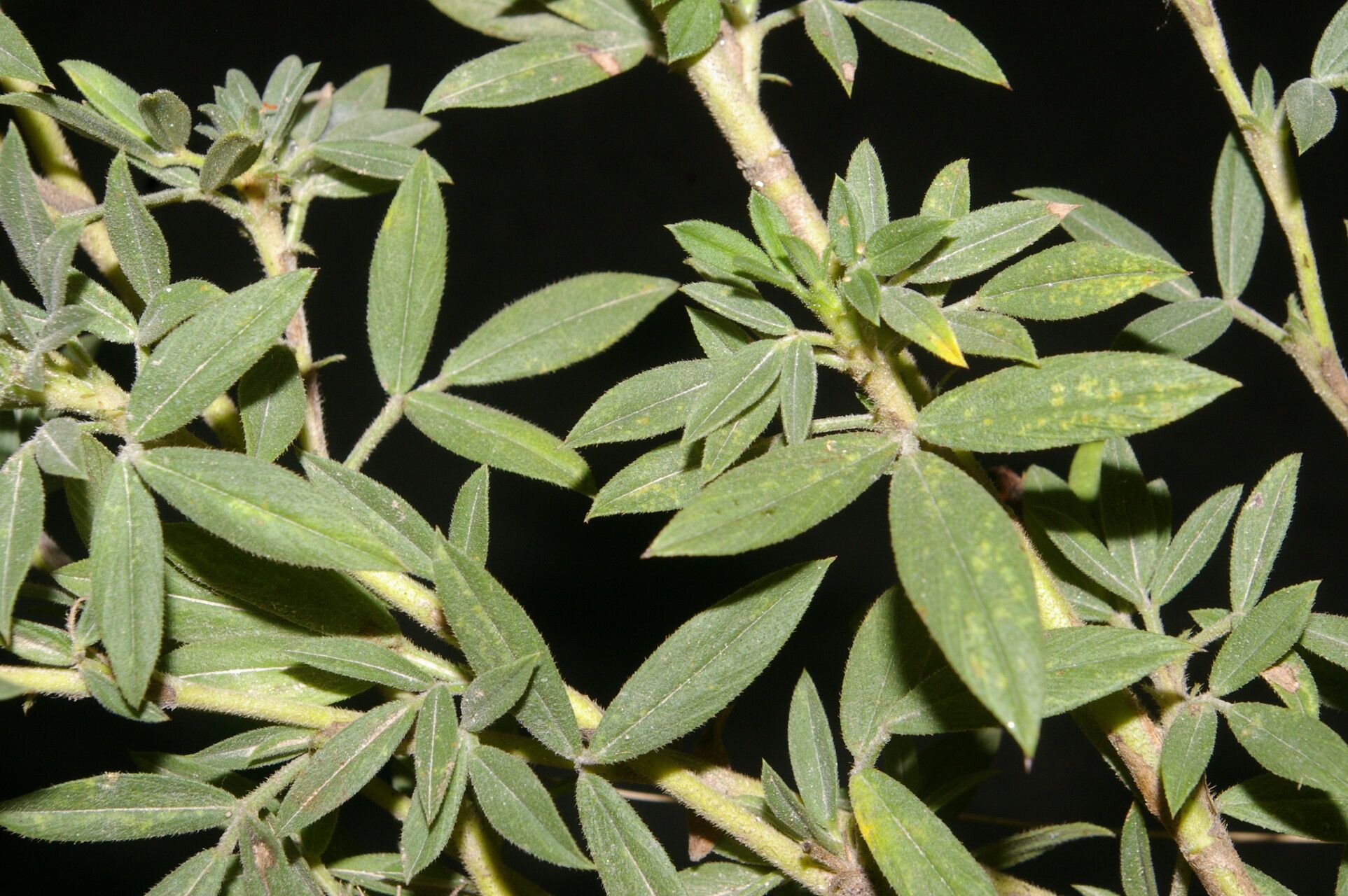
Seeding Success: A Guide to Propagating the Hardy Stylosanthes Scabra
Stylosanthes scabra, also known as shrubby stylo, might not be a household name like roses or tomatoes, but this hardy legume plays a crucial role in pastureland and erosion control. Native to South America, Stylosanthes scabra is prized for its resilience in tough conditions, making its propagation valuable for farmers and land managers. Interested in cultivating this powerful plant? Here’s a comprehensive guide to get you started.
Understanding Stylosanthes Scabra
Before diving into propagation, it’s helpful to understand what makes this plant unique:
- Leguminous Powerhouse: Like other legumes, Stylosanthes scabra has a symbiotic relationship with nitrogen-fixing bacteria. These bacteria live in its root nodules, converting atmospheric nitrogen into a usable form for the plant. This natural fertilization process improves soil health and reduces the need for synthetic fertilizers.
- Drought Tolerance: This plant thrives in areas with low rainfall and can withstand prolonged dry spells. Its deep root system allows it to access moisture deep within the soil, making it ideal for arid and semi-arid regions.
- Erosion Control: The robust root system of Stylosanthes scabra also helps bind the soil, preventing erosion and promoting soil stability. This characteristic makes it an excellent choice for stabilizing slopes and reclaiming degraded land.
The most common and effective method for propagating Stylosanthes scabra is by seed:
- Seed Acquisition: Sourcing good quality seeds is crucial for successful propagation. Local seed suppliers or agricultural extension services can provide seeds adapted to your specific region.
- Seed Treatment: Stylosanthes scabra seeds have a hard seed coat that requires scarification to enhance germination. This process involves gently breaking the seed coat to allow water absorption. Scarification can be achieved through various methods:
- Mechanical Scarification: Gently rubbing the seeds between sandpaper sheets or nicking them with a nail clipper.
- Hot Water Treatment: Soaking the seeds in hot water (not boiling) for a few minutes can also soften the seed coat.
- Sowing: Stylosanthes scabra prefers well-drained soil with a pH ranging from 5.5 to 7.5. You can sow seeds directly into the ground or start them in trays for later transplantation.
- Direct Sowing: Plant seeds about 1-2 cm deep and 10-15 cm apart. Ensure the soil is moist but not waterlogged.
- Seed Trays: Use a well-draining seed starting mix and sow seeds at a depth of 1 cm. Keep the soil consistently moist and provide adequate light. Transplant seedlings when they are about 5-8 cm tall.
- Watering: Maintain consistent moisture during the germination period, which usually takes 10-14 days. Once established, Stylosanthes scabra is relatively drought-tolerant and will only require watering during extended dry periods.
- Maintenance: This low-maintenance plant generally requires minimal care once established. You can provide a light application of fertilizer to boost growth, but its nitrogen-fixing capabilities often reduce the need for frequent fertilization. Regular weeding is beneficial, particularly during the early stages of growth.
Benefits of Propagating Stylosanthes Scabra
Propagating Stylosanthes scabra provides numerous benefits, especially for:
- Pasture Improvement: Its high protein content serves as nutritious forage for livestock, improving pasture quality and livestock productivity.
- Soil Health Enhancement: The nitrogen-fixing capabilities of this legume enhance soil fertility, reducing reliance on synthetic fertilizers.
- Erosion Control: Its strong root system aids in soil stabilization and reduces soil erosion, making it valuable for land rehabilitation and conservation efforts.
By following these propagation guidelines, you can successfully cultivate this hardy and beneficial legume. Embrace the power of Stylosanthes scabra and contribute to a more sustainable and productive environment!