
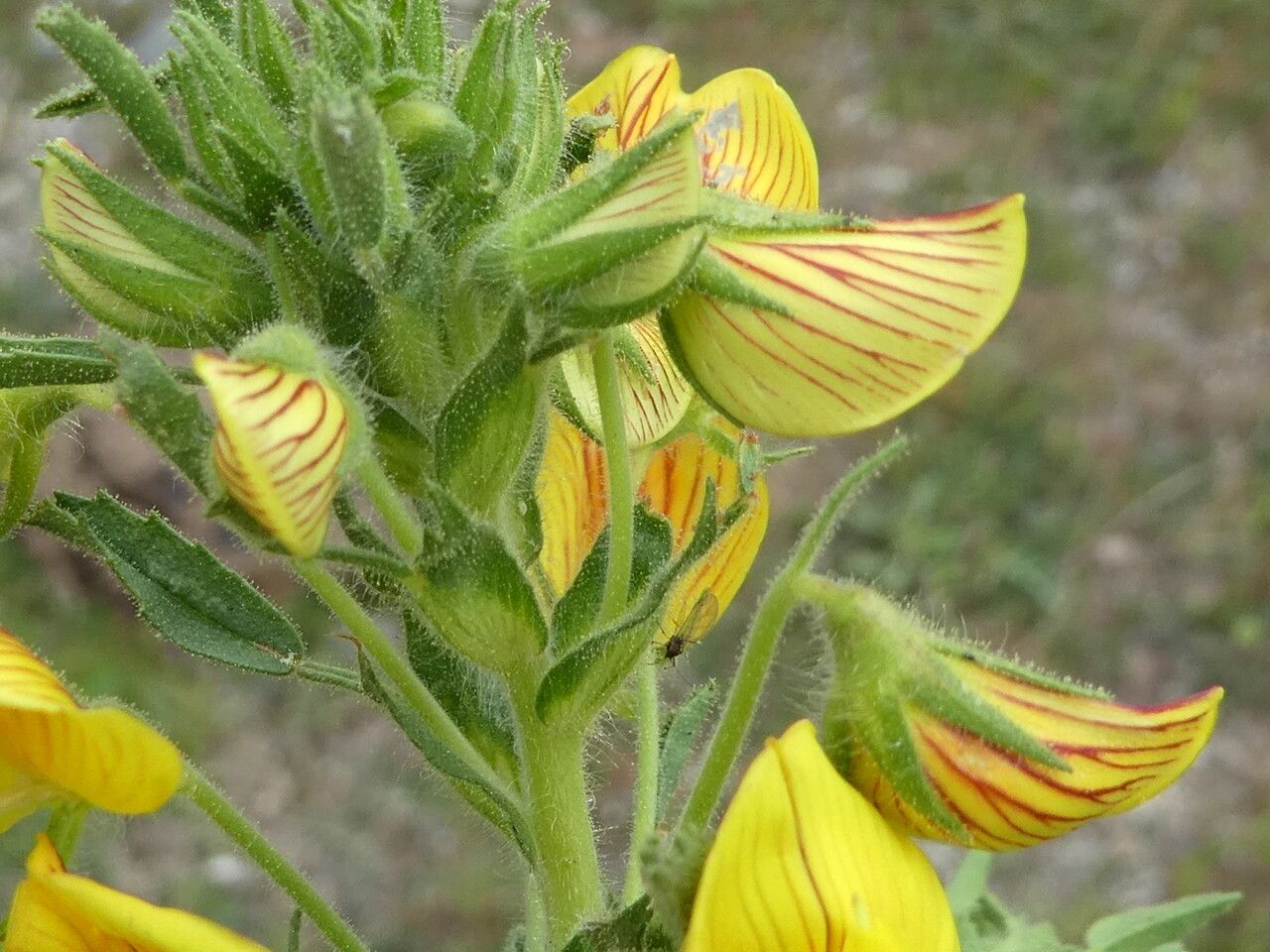
Taming the Rest Harrow: Propagating Ononis natrix for a Wildflower Welcome
Ononis natrix, more charmingly known as Rest Harrow, is a captivating wildflower boasting vibrant pink blossoms and a tenacious spirit. While admired for its beauty, this sun-loving legume also offers a wealth of benefits, from attracting pollinators to improving soil health. If you’re eager to welcome Rest Harrow into your garden, propagation is surprisingly achievable, albeit requiring a dash of patience and understanding.
Sowing the Seeds of Success
The most common route to propagating Rest Harrow is through its seeds, tiny capsules containing the potential for life. While seemingly straightforward, a touch of strategy is key for optimal results:
- When to Sow: Spring is the ideal time to sow Rest Harrow seeds directly outdoors. Ensure the last frost has passed and the soil has warmed sufficiently.
- Preparing the Seedbed: Opt for a sunny location with well-drained soil. Light, sandy soils are preferred, but Rest Harrow is adaptable and can tolerate poor soil conditions.
- Sowing Depth: Lightly press the seeds into the soil surface, ensuring they receive ample sunlight for germination.
- Patience is Key: Germination can take anywhere from a few weeks to a couple of months. Resist the urge to overwater, as excessive moisture can lead to seed rot.
Taking Cuttings: Cloning Your Beloved
For those seeking a more controlled approach or hoping to propagate a specific variety, taking cuttings is a viable option:
- Timing is Everything: Early summer is the prime time for successful cuttings. Choose healthy, non-flowering shoots for optimal results.
- Making the Cut: Using a sharp, sterilized knife or pruning shears, take cuttings around 4-6 inches long. Remove the lower leaves, leaving only a few at the top.
- Encouraging Root Development: Dip the cut end in rooting hormone (optional but recommended) and plant the cutting in a pot filled with a well-draining potting mix.
- Creating a Humid Environment: Cover the pot with a plastic bag or place it in a propagator to maintain high humidity levels, crucial for root development.
Transplanting with Care
Whether you’ve nurtured seedlings or rooted cuttings, transplanting Rest Harrow demands a gentle touch:
- Hardening Off: Before introducing your young plants to their permanent home, gradually acclimate them to outdoor conditions. This process, called “hardening off,” helps prevent transplant shock.
- Spacing: Depending on the desired effect, space your plants 12-18 inches apart.
- Watering Wisely: While established Rest Harrow plants are relatively drought-tolerant, newly planted individuals benefit from regular watering until they establish a strong root system.
Reaping the Rewards
Propagating Ononis natrix might require a touch of dedication, but the rewards are well worth the effort. By welcoming this vibrant and robust wildflower into your garden, you’re not just adding a pop of color but also contributing to a thriving ecosystem. So, embrace the art of propagation and discover the joys of cultivating Rest Harrow, one seed or cutting at a time!