
Taming the Wild Beauty: Propagating Rhododendron adenogynum
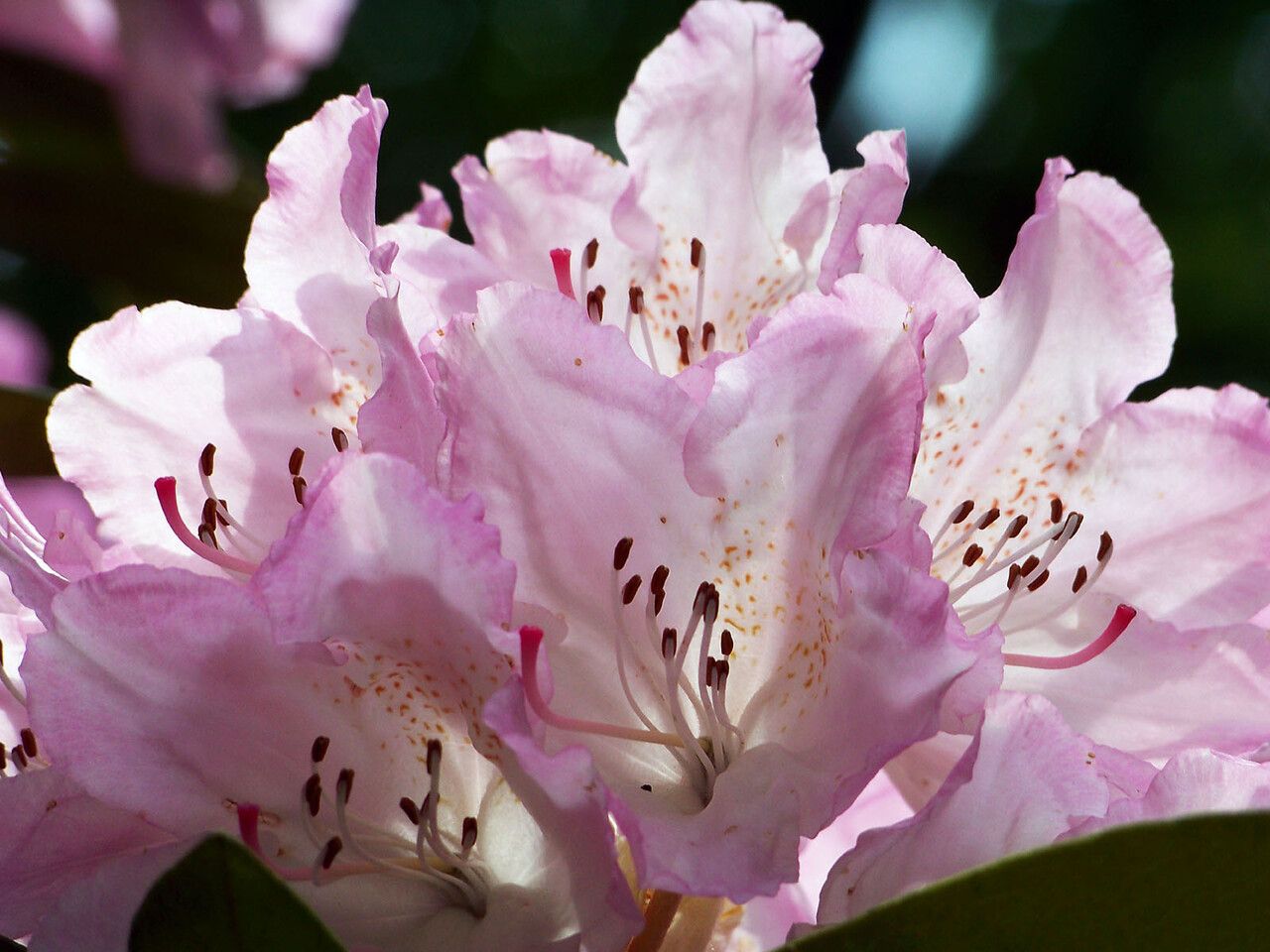
Rhododendron adenogynum, with its clusters of charming bell-shaped flowers and fuzzy silver-backed leaves, is a sight to behold. This species, native to the high mountains of the Himalayas, adds a touch of unique elegance to any garden daring enough to host it. But taming this wild beauty isn’t as straightforward as tossing some seeds in the ground.
While challenging, successfully propagating Rhododendron adenogynum provides immense satisfaction for dedicated gardeners. Let’s delve into the two most effective methods:
1. The Layering Approach: A Patient Game
Layering mimics the natural process by which some plants reproduce. It involves encouraging roots to grow on a stem while still attached to the parent plant. Here’s how:
- Choose your target: Select a healthy, flexible stem located low on the plant, ideally during spring or early autumn.
- Prepare the stem: Make a small upward cut about 6 inches from the tip, just below a leaf node (where leaves sprout).
- Encourage rooting: Dust the cut with rooting hormone powder and carefully bury this portion of the stem in a shallow trench filled with a mix of peat moss and perlite.
- Be patient: Secure the buried section with a landscape staple, ensuring the leaf bud at the tip remains above the soil. Now, it’s a waiting game, which might take a year or even longer. Regularly check for moisture and be prepared to be patient.
- Separation anxiety: Once the buried stem develops a robust root system, it’s time for separation. Carefully sever the rooted stem from the mother plant, and pot it up individually in acidic, well-draining soil.
2. The Seed Route: Embracing the Unpredictable
Starting Rhododendron adenogynum from seed is undeniably challenging and requires more effort, but it promises potentially greater rewards.
- Sourcing seeds: Purchase seeds from a reputable supplier, ensuring freshness.
- Chill out time: Mimic nature’s cycle by stratifying the seeds. Place them in a moist paper towel within a sealed plastic bag and store them in the refrigerator for 6-8 weeks.
- Time to sow: After stratification, surface sow the seeds on a moist, seed-starting mix containing peat moss and perlite.
- Light and humidity are key: Place the pot in a bright location, avoiding direct sunlight. Maintain consistent moisture using a spray bottle to avoid disturbing the tiny seeds.
- Germination patience: Seedlings are incredibly delicate. Provide consistent care and be ready for a potentially low germination rate.
- Potting up the champions: Once seedlings develop a couple of true leaves, carefully transplant them to individual pots using an acidic potting mix.
Essential Care for Your Propagated Treasures
Regardless of the chosen method, caring for young Rhododendron adenogynum demands diligence:
- Acidic soil: They thrive in an acidic environment (pH 4.5-5.5) with well-draining soil.
- Partial shade: Filtered sunlight, mimicking their natural habitat, is ideal.
- Watering wisdom: Keep the soil consistently moist but never waterlogged.
- Protection from harsh conditions: Young plants are particularly vulnerable to strong winds and frost.
Propagating Rhododendron adenogynum is a labor of love, requiring patience and dedication. The reward, however, lies in nurturing these botanical gems and watching them grace your garden with their unique, captivating beauty.