
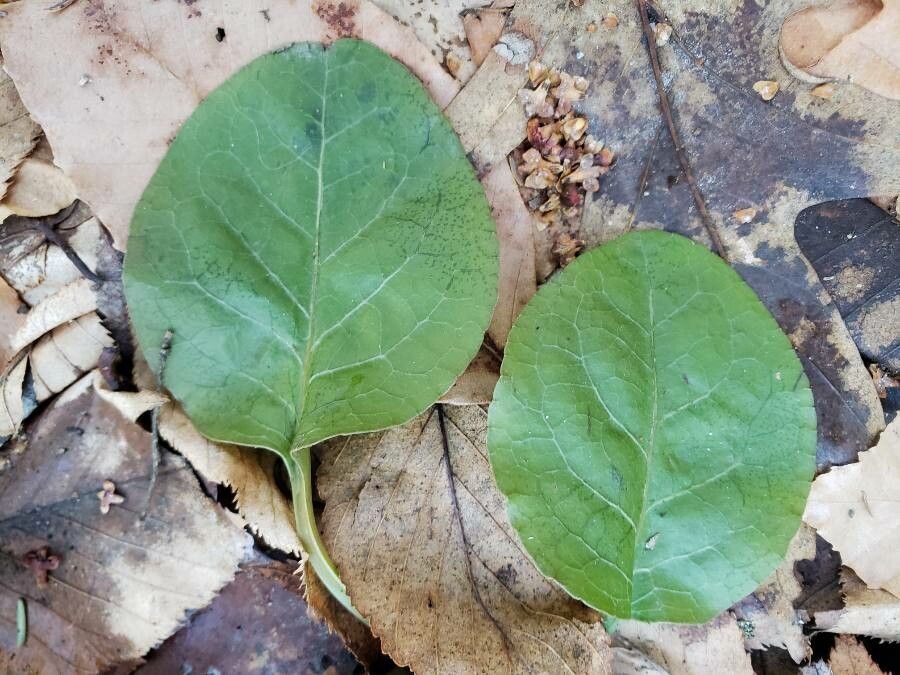
Whispering the Secrets of Shinleaf: Propagating Pyrola elliptica
Pyrola elliptica, the charming woodland wildflower known as Shinleaf or Waxflower, adds a touch of delicate beauty to shady gardens. Unlike many showy garden favorites, this plant thrives on subtlety, with its elegant elliptical leaves and nodding clusters of fragrant, waxy white blooms.
While easily enjoyed in their natural habitat, propagating Pyrola elliptica can feel like whispering secrets with the forest floor. This plant relies on a fascinating, but delicate, dance between its roots and specific mycorrhizal fungi. Understanding this relationship is key to successful propagation.
Understanding the Mycorrhizal Connection
Pyrola elliptica forms a mutually beneficial relationship with specific mycorrhizal fungi. The fungi colonize the plant’s roots, extending their reach into the soil and effectively expanding their surface area. This allows the fungi to provide the plant with essential nutrients, particularly phosphorus and nitrogen, which are often scarce in the forest understory. In return, the plant provides the fungi with sugars produced through photosynthesis.
Propagating Pyrola elliptica
Due to this unique relationship, propagation through seeds or cuttings can be challenging. Here are the most effective methods:
1. Seed Propagation:
- Patience is Key: Shinleaf seeds are tiny and require a period of cold stratification to break dormancy. In nature, this happens naturally during winter. To mimic this, sow seeds on the surface of a moist, peaty seed-starting mix in late fall or early winter. Keep the pot outdoors in a sheltered location or in a refrigerator for 2-3 months.
- Fungal Partners: Introducing the appropriate mycorrhizal fungi at the time of sowing can significantly increase success rates. This can be achieved by adding a small amount of soil collected from beneath a healthy Pyrola elliptica plant to your seed-starting mix.
- Creating the Right Environment: After cold stratification, place the pot in a bright location, but out of direct sunlight. Keep the soil consistently moist but avoid overwatering. Germination can take several weeks to months.
2. Rhizome Division:
- Time it Right: This method is best undertaken in early spring before new growth emerges.
- Careful Extraction: Carefully dig up a mature plant, ensuring minimal disturbance to the root system. Look for sections of rhizomes with healthy buds and gently separate them using a sharp, sterilized knife.
- Replanting: Replant the divisions immediately in a well-drained, acidic soil mix that mimics their natural growing conditions. Adding mycorrhizal fungi to the planting hole is highly recommended.
Creating the Ideal Environment for Pyrola elliptica:
Whether you’re starting from seed or divisions, replicating the plant’s natural habitat is crucial:
- Shade is King: Pyrola elliptica thrives in dappled shade to partial shade conditions. Avoid direct sunlight, especially during the hottest part of the day.
- Well-Drained, Acidic Soil: Mimic the forest floor with a loose, well-drained soil that is rich in organic matter and slightly acidic (pH 5.0-6.5).
- Moist But Not Soggy: Maintain consistent moisture but avoid overwatering, which can lead to root rot. A layer of organic mulch can help retain moisture and regulate soil temperature.
Propagating Pyrola elliptica may require patience and a gentle touch, but the reward of seeing these delicate beauties grace your garden is well worth the effort. With a little understanding of their unique needs, you can successfully whisper the secrets of Shinleaf and welcome their quiet elegance to your own shady haven.