
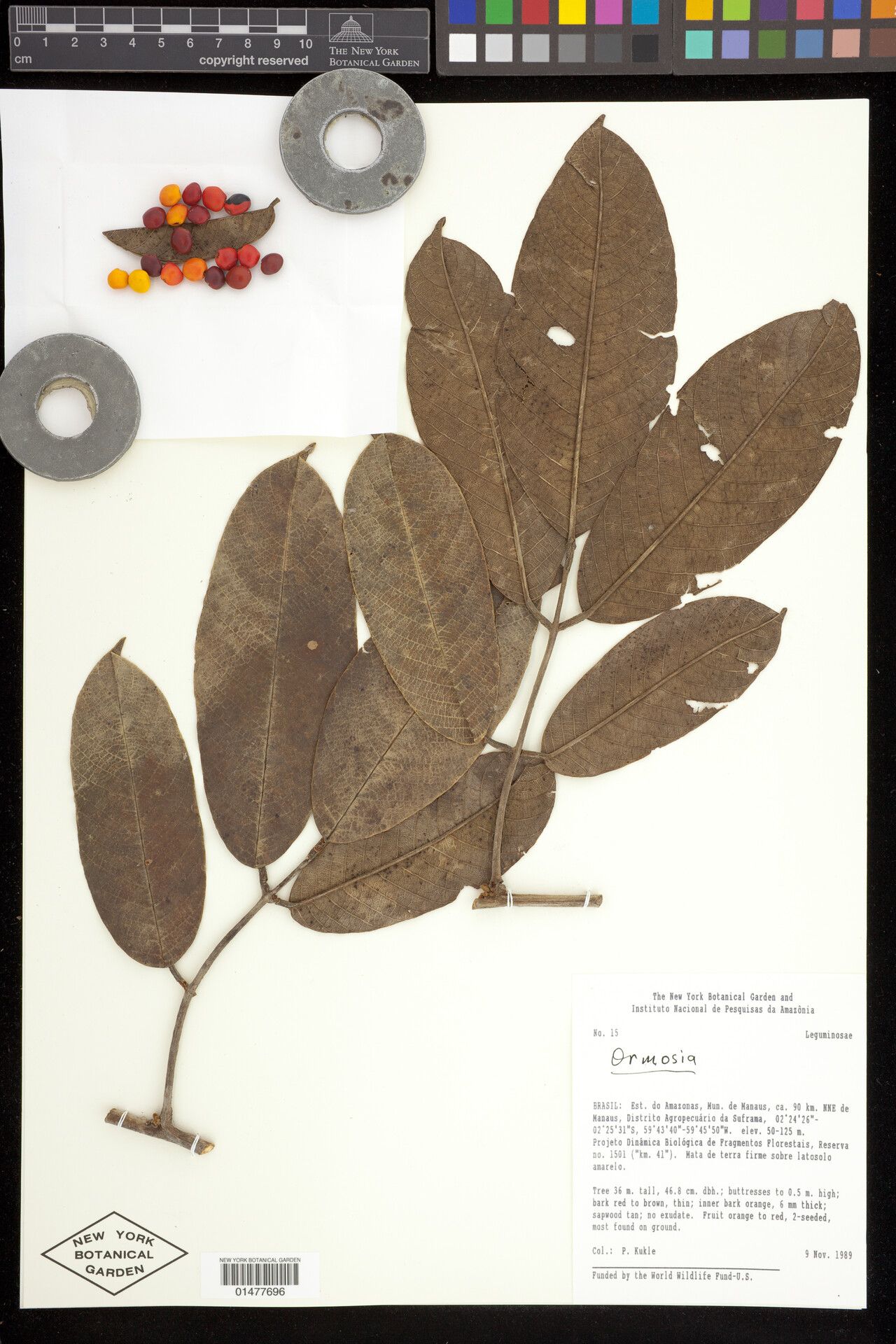
Unlocking the Secrets of Ormosia solimoesensis: A Guide to Propagation
Ormosia solimoesensis, with its captivating beauty and mesmerizing foliage, is a plant that captivates the hearts of many plant enthusiasts. But for those wanting to share this botanical treasure, unlocking the secrets of its propagation can seem daunting. Fear not, dear readers! This blog post will guide you through the methods of propagating Ormosia solimoesensis, empowering you to grow your own collection of these enchanting plants.
Seeds: The Classic Approach
The most common method of propagating Ormosia solimoesensis is through seeds. These seeds are relatively large and have a hard outer shell, which can make germination a bit tricky. But with the right approach, you can overcome this challenge.
- Prepare the Seeds: Begin by soaking the seeds in warm water for 24 hours. This softens the outer shell and promotes germination.
- Scarification: After soaking, carefully scarify the seeds by lightly nicking the outer shell with a sharp knife or sandpaper. This helps the seedling emerge.
- Sowing: Sow the seeds in a well-draining seed-starting mix, burying them about ½ inch deep.
- Watering & Warmth: Keep the soil consistently moist but not waterlogged. A warm environment, around 70-80°F, will encourage faster germination.
- Patience is Key: Ormosia solimoesensis seeds can take several weeks to germinate, so be patient. Once seedlings emerge, ensure they receive adequate light and gradually harden them off before transplanting.
Cuttings: A More Direct Route
While not as widely used as seed propagation, Ormosia solimoesensis can be propagated from cuttings.
- Timing is Everything: Take cuttings during the spring or early summer, when the plant is actively growing.
- Cut Selection: Choose semi-hardwood cuttings, about 4-6 inches long. Trim the bottom portion of the cutting at a 45-degree angle and remove any leaves growing below the soil line.
- Rooting Hormone: Dipping the cut end in rooting hormone powder encourages root development.
- Planting Medium: Insert the cuttings into a well-draining potting mix.
- Care & Patience: Cover the cuttings with a plastic dome or bag to maintain humidity. Keep the soil consistently moist, but avoid overwatering. Expect root development to take several weeks.
Grafting: A Specialized Technique
For more experienced plant enthusiasts, grafting is an effective method for propagating Ormosia solimoesensis. This technique involves joining a cutting (the scion) onto a rootstock of a compatible plant. This allows for the propagation of rare varieties or cultivars and promotes faster growth.
- Rootstock Selection: Choose a compatible rootstock, like Ormosia species with similar growth habits.
- Scion Preparation: Select a healthy cutting from the desired cultivar.
- Grafting Techniques: Employ grafting techniques such as whip grafting or cleft grafting.
- Care & Monitoring: Ensure the graft union stays moist and maintain suitable environmental conditions for healing and growth.
Cultivation Matters: A Vital Consideration
Regardless of the propagation method you choose, providing the right growing conditions for your new Ormosia solimoesensis is crucial for healthy growth.
- Light: These plants thrive in bright, indirect light.
- Watering: Water deeply but allow the soil to dry slightly between waterings.
- Humidity: Maintain moderate humidity levels, particularly in drier climates.
- Fertilization: Feed your Ormosia with a balanced liquid fertilizer during the growing season.
Conclusion
By embracing the methods outlined above, you can embark on a rewarding journey of propagating Ormosia solimoesensis. Whether you opt for seeds, cuttings, or grafting, nurturing these plants requires patience and a dedication to providing them with the optimal conditions. As you embark on this endeavor, remember that every successfully propagated Ormosia solimoesensis is a testament to your botanical skills and a source of immense joy for your plant collection.