
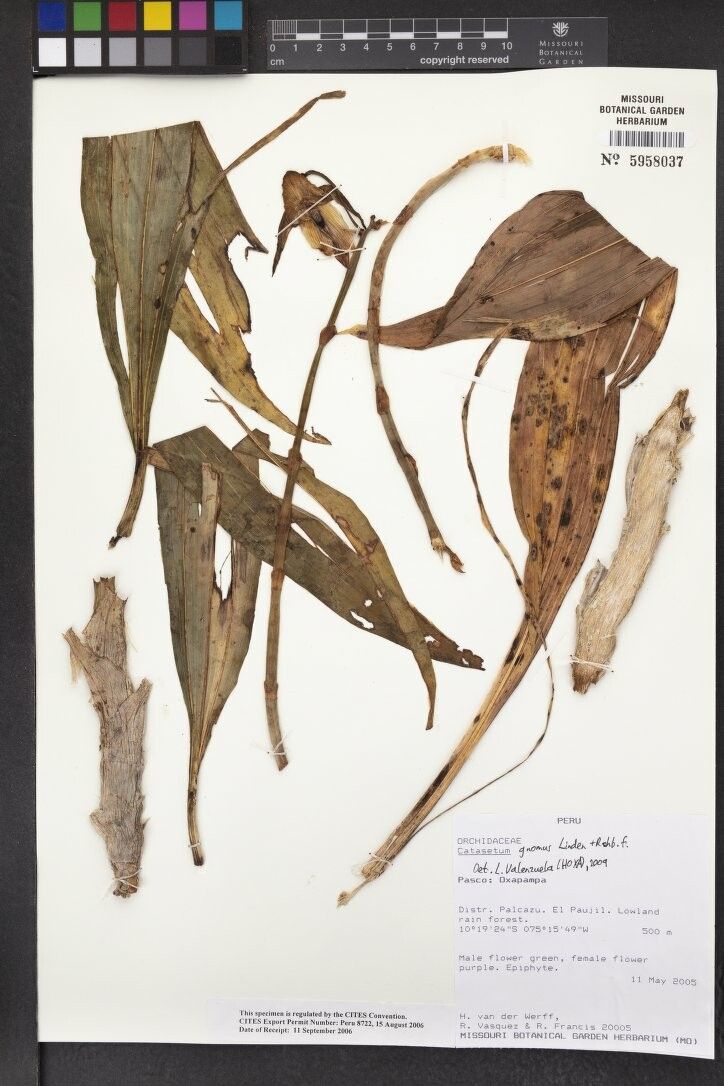
Tiny but Mighty: How to Propagate Catasetum Gnomus, the Miniature Orchid Wonder
The Catasetum gnomus, aptly named for its miniature stature, is a captivating orchid known for its stunning, vibrant blooms and unique growing habits. While this orchid may seem delicate, it’s actually quite hardy and can be propagated readily by keen gardeners. This blog post delves into the fascinating world of Catasetum gnomus propagation, equipping you with the knowledge to expand your own miniature orchid collection.
Understanding Catasetum Gnomus’ Unique Growth
Before diving into propagation methods, it’s essential to understand how this charming orchid thrives. Catasetum gnomus is a sympodial orchid, meaning it grows horizontally with new growths emerging from the base of older pseudobulbs. These pseudobulbs, resembling small tubers, store water and nutrients, allowing the orchid to withstand periods of drought.
Propagation Methods: Two Routes to New Plants
Two primary methods are commonly employed to propagate Catasetum gnomus:
1. Division:
- Best Time: After flowering, when new growth is evident.
- Process:
- Carefully remove the plant from its pot.
- Gently separate the mature pseudobulbs, ensuring each section has at least two to three healthy pseudobulbs.
- Trim any damaged roots.
- Repot each division in fresh, well-draining orchid bark or a mix of bark and perlite.
- Tips: Use a sharp, sterile knife for clean cuts and avoid damaging the delicate roots.
2. Keiki (Plantlet) Propagation:
- Best Time: During the active growth period, after flowering.
- Process:
- Identify a keiki growing from the base of a pseudobulb or on the stem.
- Once the keiki develops a few roots, gently remove it from the parent plant.
- Plant the keiki in a small pot filled with orchid bark or a mix of bark and perlite.
- Tips: Keikis can also be encouraged to develop by applying a diluted solution of cytokinin hormone to the nodes of the stem.
Providing the Perfect Environment
Regardless of the propagation method chosen, creating the right conditions is crucial for healthy growth:
- Light: Provide bright, indirect light, avoiding direct sunlight that can scorch the leaves.
- Humidity: Maintain a humidity level of 60% or higher. You can achieve this by placing the pot on a pebble tray filled with water or using a humidifier.
- Watering: Water thoroughly when the potting mix dries out. Allow the water to drain completely.
- Temperature: Warm temperatures, between 70-85°F (21-29°C), are ideal.
- Fertilizer: Feed with a balanced orchid fertilizer during the growing season, from spring to fall.
Tips for Success:
- Use sterile tools to prevent infections.
- Keep the potting mix moist during the initial weeks after propagation.
- Monitor for pests and diseases.
- Provide adequate airflow to prevent fungal growth.
- Be patient! Catasetum gnomus takes time to establish itself.
Conclusion:
Cultivating Catasetum gnomus is a rewarding experience, offering the thrill of witnessing these miniature orchids bloom in all their glory. By mastering the art of propagation, you can enjoy the splendor of these unique plants and share the joy with fellow enthusiasts. With a little patience, you’ll be well on your way to proudly displaying a flourishing miniature orchid family.