
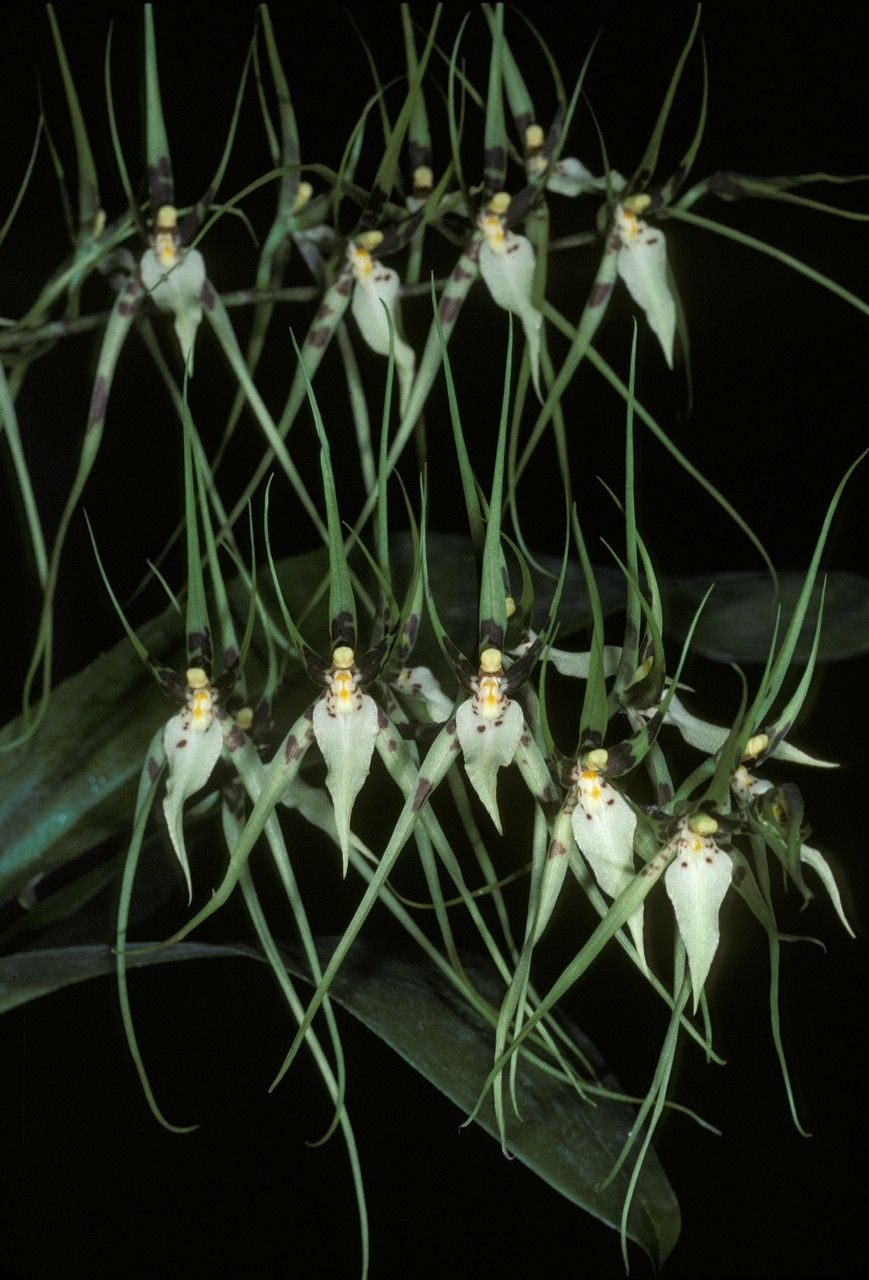
Unveiling the Secrets of Brassia rhizomatosa Propagation: From Seed to Splendor
The Brassia rhizomatosa, with its striking spider-like blooms, is a captivating orchid that can bring a touch of exotic beauty to any home. But did you know that you can easily expand your orchid collection by propagating these beauties yourself?
In this post, we’ll dive into the fascinating world of Brassia rhizomatosa propagation, exploring various techniques to multiply your orchids and share the joy of these vibrant plants.
1. The Magic of Seeds: Patience is Key
Brassia rhizomatosa seeds are incredibly tiny and require specific conditions to germinate. This method, though rewarding, calls for a patient grower.
- Seed Collection: Gather seeds from mature pods, ensuring they are dry and fully developed.
- Sterilization: Sterilize both the seeds and the growing medium (usually a mix of sphagnum moss and perlite) to prevent fungal infections.
- Sowing: Sow the seeds on the sterilized medium, making sure they are spread out and not overcrowded.
- Humidity and Light: Maintain a high humidity level and provide indirect bright light.
- Time and Patience: Seed germination can take several months, even up to a year, before you see tiny seedlings emerging.
2. Division: A Faster Route to New Plants
Division is a more direct and generally faster method for propagating Brassia rhizomatosa. This technique involves separating established plants into smaller, independent units.
- Choosing the Right Time: The best time for division is during the plant’s active growing season, usually in spring or early summer.
- Gentle Separation: Carefully separate the rhizome (root-like stem) at a point where new growth shoots are present. Ensure each division has at least one healthy growth point.
- Repotting: Pot each new division in a well-draining orchid mix, ensuring the rhizome is slightly exposed. Water well and keep the new plants in a humid environment.
3. Keiki Propagation: When the Plant Creates Its Own Offspring
Keikis are tiny plantlets that develop on the flower spike of the Brassia rhizomatosa. These naturally occurring offshoots offer a simple way to propagate your orchids.
- Recognizing Keikis: Look for small, emerging plantlets with roots and leaves developing on the flower spike.
- Separating the Keiki: Once the keiki has developed a good root system, carefully cut it from the mother plant using a sharp, sterilized knife.
- Planting the Keiki: Pot the keiki in a small pot with suitable orchid mix and keep it moist.
4. Tips for Success:
- Sterilization: Ensure all tools used for propagation are sterilized to prevent infections.
- Humidity: Maintain high humidity levels for the newly propagated plants, especially for seedlings. You can achieve this by using a humidifier or placing them in a propagator.
- Light: Provide bright, indirect light to your plants, avoiding direct sunlight that can scorch delicate leaves.
- Patience and Observation: Be patient and observant, keeping an eye out for any signs of pests or diseases.
Conclusion:
Propagating your Brassia rhizomatosa can be a rewarding journey. Whether you choose the slow and steady approach of seed propagation or the faster techniques of division or keiki propagation, the satisfaction of nurturing new life in your orchid collection is immeasurable. By following these tips and a little patience, you can enjoy the beauty of Brassia rhizomatosa blooms for years to come.