
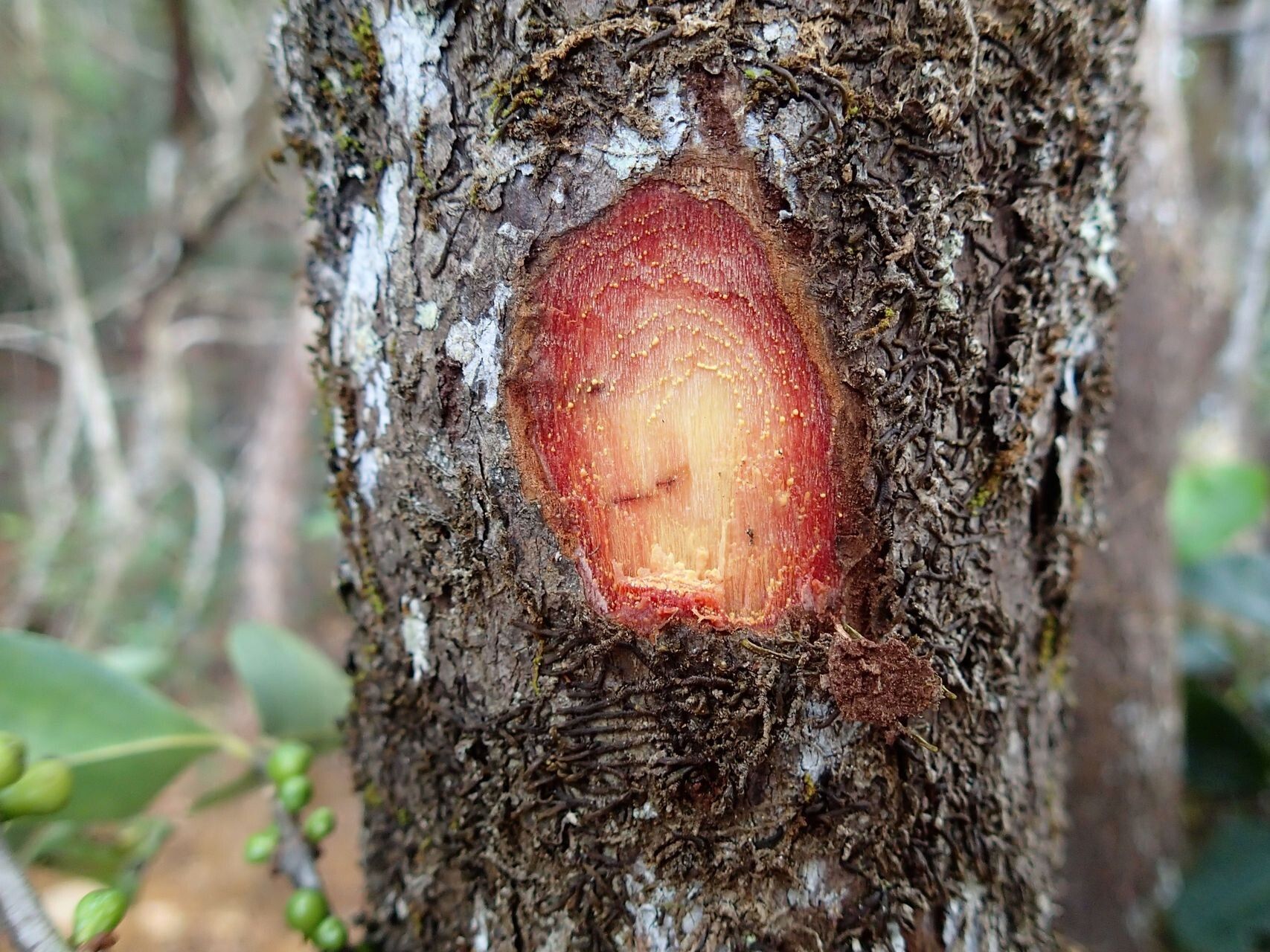
From Seed to Showstopper: Propagating the Coral Tree (Garcinia corallina)
The Garcinia corallina, also known as the Coral Tree, is a stunning tropical tree prized for its vibrant red fruits and striking coral-like branches. But beyond its beauty, this unique plant boasts a fascinating history and potential uses, making it a sought-after addition to many gardens. For those eager to propagate this captivating species, a journey of discovery awaits!
The Basics: Understanding Garcinia Corallina
Garcinia corallina is native to tropical southeastern Asia and thrives in warm, humid climates. It’s a relatively slow-growing tree, but with proper care, it can reach a height of 15-20 feet. The glossy leaves are a vibrant green, while its most distinctive feature is its fruit, which changes from green to a vibrant red when ripe. This fruit is not only visually appealing but also holds potential for use in traditional medicine and as a food source.
Propagating with Seeds:
Starting from seeds is the most common and accessible way to propagate Garcinia corallina. However, patience is key, as germination can take several weeks to months. Here’s how to get started:
- Collect Fresh Seeds: The best time to collect seeds is when the fruits are fully ripe and have turned red.
- Prepare the Seeds: Gently extract the seeds from the fruit and remove any surrounding pulp. Rinse them thoroughly to ensure clean surfaces.
- Stratification: While not always necessary, placing the seeds in a moist medium like vermiculite or peat moss and storing them in a cool, dark place for 6-8 weeks can improve germination rates.
- Sowing: Sow the seeds in well-draining potting soil and maintain a consistent temperature between 75-85 degrees Fahrenheit. Keep the soil moist but not waterlogged.
- Patience is Key: Germination can take anywhere from 4-12 weeks, sometimes even longer. Be patient and diligent with your watering and monitoring.
Unlocking the Secrets of Cuttings:
While less common, propagating Garcinia corallina from cuttings is possible with the right techniques:
- Choose Healthy Stems: Select semi-hardwood cuttings from mature, healthy branches. Aim for sections that are 4-6 inches long and have at least two leaf nodes.
- Prepare the Cuttings: Make a clean, angled cut at the bottom of the stem, just below a leaf node. Remove any leaves below the node.
- Dip in Rooting Hormone: To boost rooting success, dip the cut end of the stem in rooting hormone powder.
- Plant in a Rooting Medium: Use a well-draining mix of peat moss, perlite, and vermiculite. Plant the cuttings up to the first leaf node and keep them in a warm, humid environment.
- Maintain Humidity and Temperature: Cover the cuttings with a plastic dome or bag to maintain high humidity. Aim for temperatures around 75-85 degrees Fahrenheit.
- Patience Reigns: Rooted cuttings typically emerge after 4-6 weeks. Maintain consistent humidity and avoid overwatering.
Important Tips for Successful Propagation:
- Optimal Environment: Garcinia corallina thrives in bright, indirect light and warm temperatures.
- Water Wisely: Allow the soil to dry slightly between waterings. Overwatering can lead to root rot.
- Fertilize Regularly: Feed your young plants with a balanced fertilizer during the growing season.
- Repotting: Once your plants have developed a good root system, repot them into a larger container with fresh potting mix.
Beyond the Garden:
While the vibrant beauty of Garcinia corallina is undeniable, its potential impact extends beyond the aesthetic. Traditional medicine practices in Southeast Asia utilize the fruit for its supposed anti-inflammatory and antioxidant properties. Additionally, research suggests potential for the fruit’s use in food and beverage industries owing to its unique flavor and composition.
A Journey of Growth and Discovery:
Propagating Garcinia corallina is a rewarding experience that allows you to nurture these captivating plants from the very first sprout. With patience, care, and the right techniques, you can witness the transformative journey of this unique tree, from seed to showstopper, fostering a piece of tropical beauty within your own backyard.