
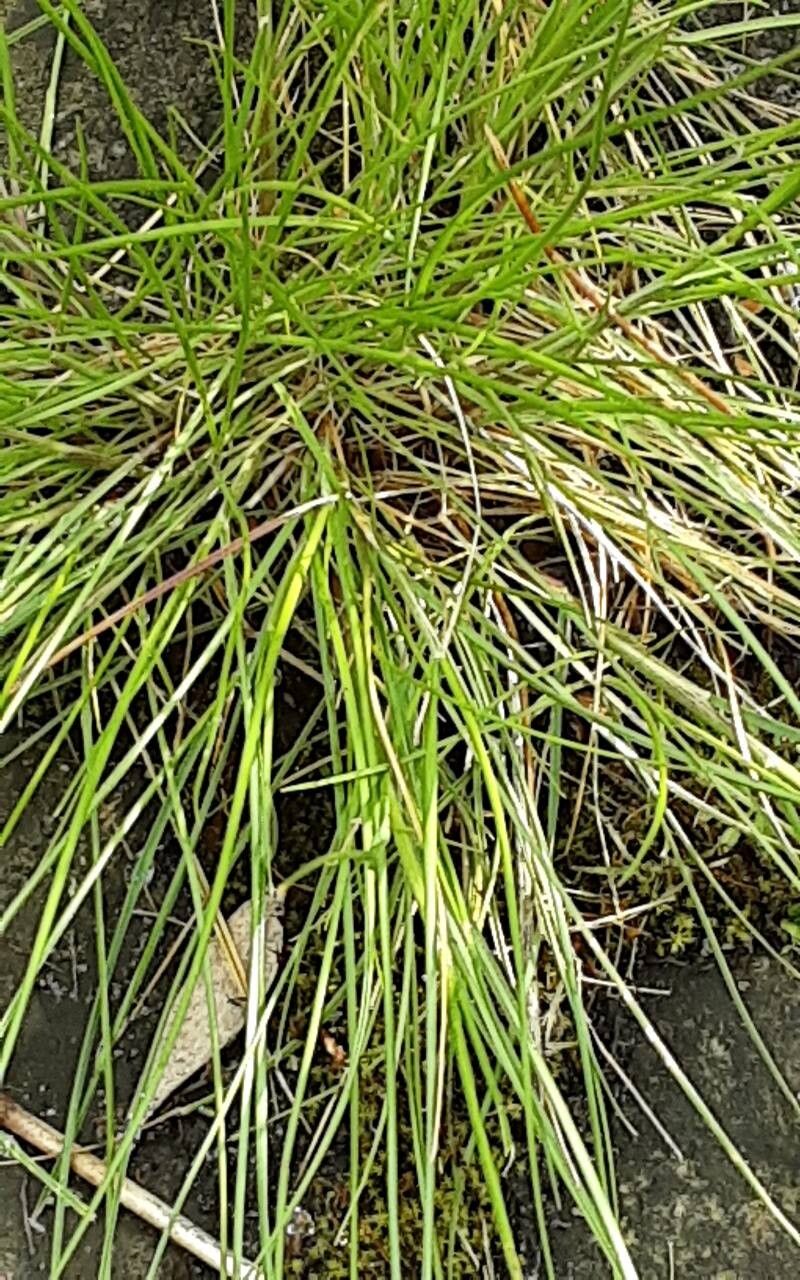
From One to Many: Unlocking the Secrets of Festuca Gautieri Propagation
The Festuca gautieri, with its fine, blue-green foliage and graceful arching habit, is a beloved grass for its low-maintenance charm and striking visual appeal. But what happens when you fall in love with this beauty and want to share its allure throughout your garden? Enter the world of propagation!
This guide will delve into the art of multiplying your Festuca gautieri, exploring both the tried-and-true methods and a few lesser-known tricks for success.
Division: A Tried and True Method
Division is the most straightforward way to propagate Festuca gautieri. This method works best when the plant is well-established, ideally after 3-4 years. Here’s how to do it:
- Timing is Key: Spring or early fall are the ideal times for division, when the plant is actively growing.
- Gently Dig and Separate: Carefully dig around the plant, loosening the roots. Gently pull the plant from the ground and use a sharp knife or shovel to divide the clump into smaller sections, ensuring each section has healthy roots and foliage.
- Re-planting: Plant each section in a new location, ensuring the crown (the point where the roots and stems meet) is level with the soil surface. Water well.
Seed Propagation: A Longer Journey
For a larger quantity of Festuca gautieri plants, seed propagation is an option, albeit a slower process.
- Harvesting Seeds: Collect seeds from mature seed heads in late summer or early fall. Look for seeds that are plump and brown in color.
- Sowing the Seeds: Sow the seeds directly into the garden in fall or early spring. Maintain consistent moisture and warmth for germination.
- Patience is Key: Seed-grown plants may take longer to reach maturity compared to those grown from division.
Less-Known Methods: A Deeper Dive
While division and seed propagation are popular, here are two unconventional methods for Festuca gautieri propagation:
Stem Cuttings: This method can be successful but requires more expertise. Obtain stem cuttings from non-flowering stems, ensuring they are healthy and vigorous. Remove the lower leaves and dip the cut end in rooting hormone. Plant in a well-draining potting mix, mist regularly, and provide indirect sunlight.
- Tissue Culture: This advanced propagation technique involves the use of specialized equipment and media to multiply plants from a small section of tissue. It offers a fast and efficient way to generate a large number of genetically identical plants. While this method is typically done in a laboratory setting, it can be a valuable tool for specific propagation needs.
Tips for Successful Propagation:
- Proper Timing: Selecting the appropriate time for propagation is crucial. Avoid division during extreme heat or cold conditions.
- Sharp Tools: Clean and sterilized tools are essential to prevent disease spread.
- Well-draining Soil: Festuca gautieri prefers well-draining soil that prevents waterlogging.
- Consistent Moisture: Keep the newly-planted sections or sowed seeds consistently moist, but avoid overwatering.
With a little patience and the right techniques, you can effortlessly create a thriving garden filled with the elegance of Festuca gautieri. Whether you opt for the traditional method of division or venture into the more advanced techniques, the joy of propagation lies in witnessing the magic of life unfolding right before your eyes.