
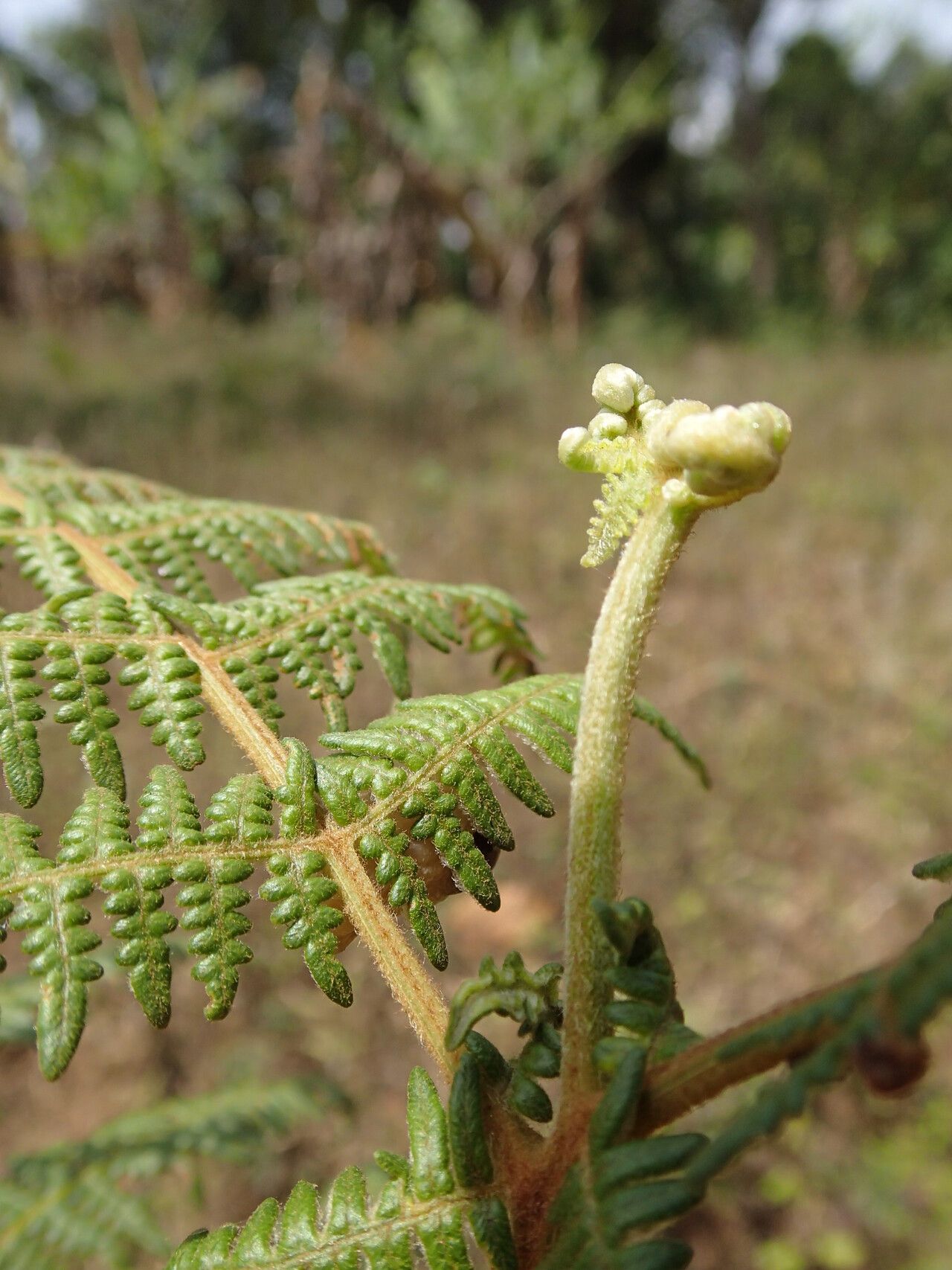
The Unstoppable Fern: How Pteridium capense Spreads its Roots
Many gardeners dream of a lush, verdant landscape, but for some, that dream can turn into a nightmare with the introduction of invasive species. One such plant is Pteridium capense, commonly known as Cape Bracken Fern or Bracken Fern. This adaptable and aggressive fern has earned its reputation for its rapid spread and ability to dominate ecosystems. But how exactly does it do it?
A Tale of Two Strategies: Spores and Rhizomes
Pteridium capense employs a two-pronged approach to propagation: spores and rhizomes. These two methods work in tandem to ensure its success, making it incredibly difficult to control once established.
1. The Invisible Army: Spores
Pteridium capense produces tiny spores, invisible to the naked eye, that are released from specialized structures on the underside of its fronds. Wind carries these spores far and wide, allowing them to colonize new areas. The spores are incredibly resilient and can remain dormant for extended periods, waiting for ideal conditions to germinate.
2. The Underground Empire: Rhizomes
While spores ensure long-distance dispersal, rhizomes are the Pteridium capense‘s secret weapon for rapid local domination. These underground stems spread horizontally, sending up new fronds at regular intervals. This network of rhizomes can stretch for incredible distances, forming dense colonies of bracken fern that crowd out other plants.
A Force to Be Reckoned With
The combination of these two propagation methods makes Pteridium capense an incredibly formidable colonizer. Its ability to travel by air and spread underground allows it to quickly spread across vast areas, often outcompeting native plants.
The Challenges of Control
Controlling Pteridium capense is a significant challenge.
- Manual Removal: While possible, the extensive rhizome system makes eradication difficult. Pulling up fronds can be laborious and unlikely to eliminate the entire plant.
- Herbicides: Herbicides can be effective, but careful application is crucial to avoid harming surrounding vegetation.
- Biological Control: Research into biological controls, like using specific insects or fungal pathogens, is ongoing, offering potential long-term solutions.
Beyond the Garden:
Pteridium capense is not just a nuisance in gardens. It poses threats to natural ecosystems, impacting biodiversity and wildlife habitats. Its rapid spread can disrupt fragile environments and outcompete native flora.
Understanding the Threat
Awareness of Pteridium capense‘s propagation strategies is crucial for preventing its further spread. Whether you’re a gardener, hiker, or just someone who enjoys the natural world, knowing the challenges of this invasive fern can help us protect our ecosystems for future generations.
By actively managing its spread and implementing control measures, we can work together to maintain a diverse and thriving landscape. Remember, even seemingly innocuous plants can pose significant threats, and understanding their propagation methods is the first step towards responsible stewardship of our natural world.