
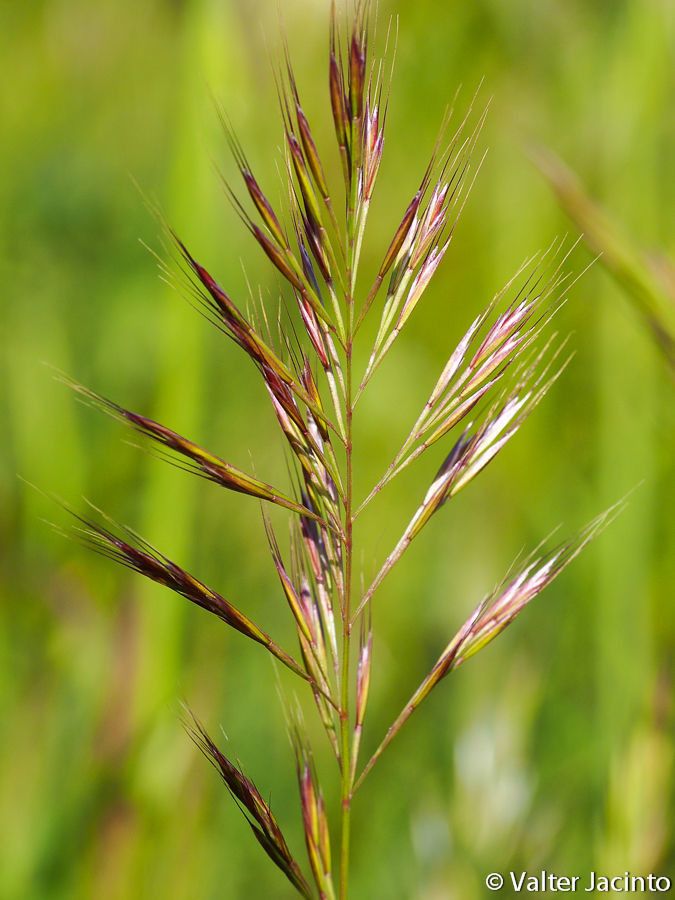
Unleashing the Clumping Charm: Propagating Festuca Geniculata, the “Blue Sheep Fescue”
Love the soft, textured foliage of Festuca geniculata, also known as “Blue Sheep Fescue”? This cool-season grass brings a touch of elegant blue-grey to your garden and thrives in a variety of conditions. But what if you want more of this beauty? Luckily, propagating Festuca geniculata is a relatively straightforward process, allowing you to expand your garden with these graceful clumps.
Here’s your guide to successfully propagating this versatile grass:
Division – The Easiest Way
Division is the most popular method for propagating Festuca geniculata, especially for established plants. It’s essentially cloning your existing grass, ensuring you get genetically identical offspring. Here’s the process:
- Timing is Key: The best time for division is in the spring, just as new growth emerges, or in the fall. Avoid dividing during hot summer months.
- Prepare the Plant: Gently dig around the base of the plant, loosening the soil and exposing the root system.
- Divide the Clumps: Carefully separate the plant into smaller clumps, each with healthy roots and a good amount of foliage. Aim for clumps with at least 3-4 shoots.
- Planting the Divisions: Prepare a new planting site with well-drained soil and amend it with compost if needed. Plant the divisions at the same depth they were originally growing.
- Watering and Maintenance: Water the new divisions thoroughly and keep the soil consistently moist, especially during the first few weeks after planting.
Seed Propagation – A Patient Approach
While division is the go-to for immediate results, you can also try seed propagation. This method is less common but offers a chance to cultivate a whole new generation of Festuca geniculata:
- Collect Seeds: Once Festuca geniculata flowers, you’ll find small brown seeds within its seed heads. Harvest them when they’re fully matured and dry.
- Sowing the Seeds: Direct sow the seeds in a well-prepared seed bed. Lightly cover the seeds with soil and keep the seedbed consistently moist.
- Patience is Key: Seed germination can take several weeks, even months. Keep the soil consistently moist and protect the seedlings from harsh conditions.
Tips for Success:
- Soil: Festuca geniculata prefers well-drained soil, as it’s susceptible to root rot in soggy conditions.
- Sunlight: Provide at least 6 hours of sunlight per day, ideally in a location with partial shade.
- Fertilizer: Avoid over-fertilizing Festuca geniculata, as excessive nitrogen can weaken the foliage. Use a balanced fertilizer with a low nitrogen content.
- Pruning: Regularly remove spent flower stalks to maintain a tidy appearance and encourage new growth.
Beyond the Garden:
Propagating Festuca geniculata isn’t just for personal gardens. It’s also a valuable technique for landscape professionals, allowing them to create consistent planting schemes and manage large-scale plantings.
In Conclusion:
Whether you choose division or seed propagation, adding this striking blue-grey grass to your garden is a rewarding process. With a little patience and care, you can enjoy the exquisite clumping charm of Festuca geniculata for years to come. So, unleash your inner green thumb and get propagating!