
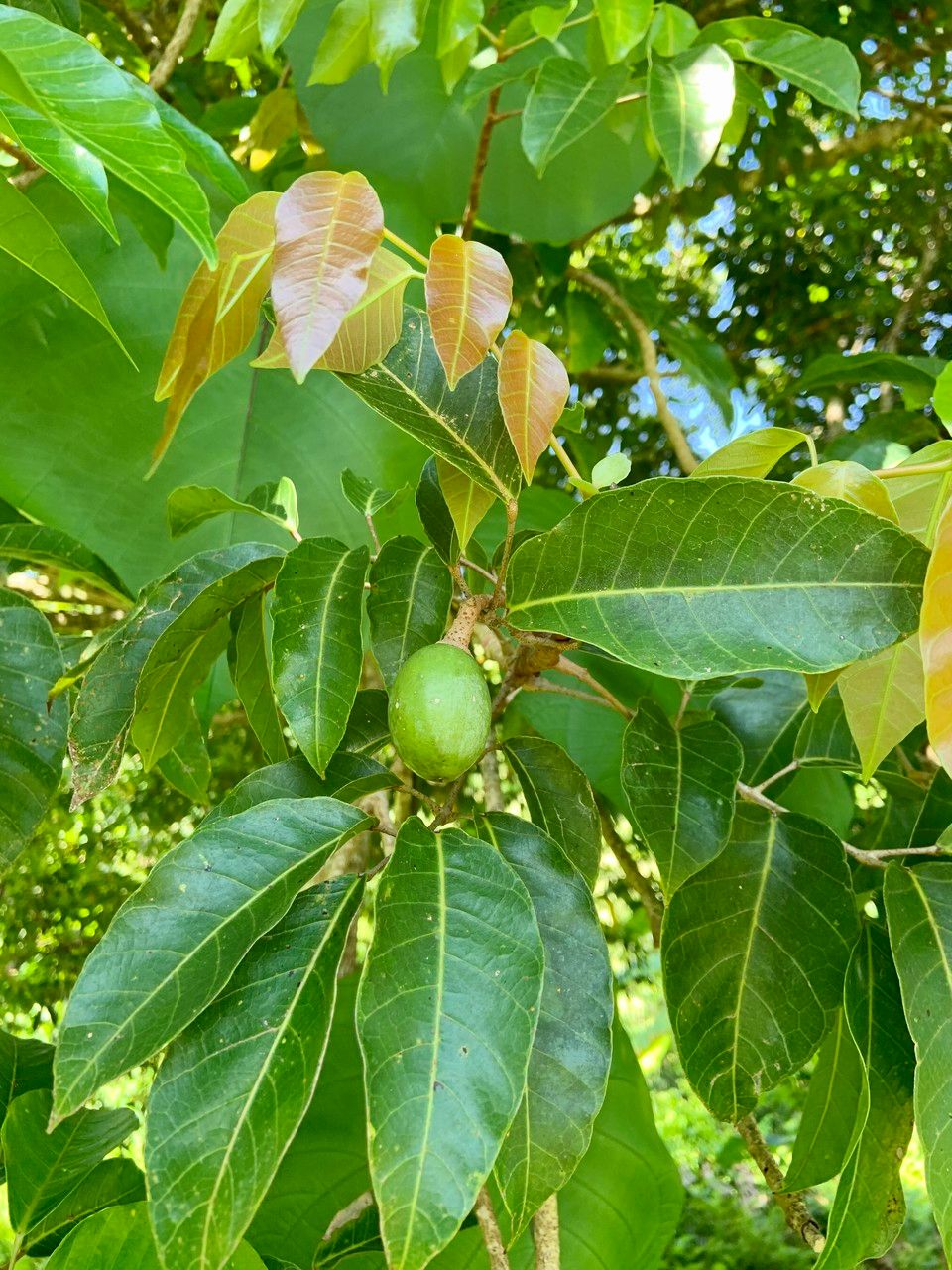
From Seed to Sapling: Unlocking the Secrets of Canarium vitiense Propagation
The Canarium vitiense, with its glossy leaves and fragrant fruit, is a captivating tree native to Fiji. But did you know that you can bring this beauty into your own garden? While it may seem daunting, propagating Canarium vitiense is achievable with the right knowledge and a little patience.
Let’s embark on a journey to unravel the secrets of this fascinating tree’s propagation methods, exploring both seeds and cuttings:
1. A Seed’s Journey: The Natural Way to Propagate
Canarium vitiense fruits contain seeds that hold the potential for new life. Here’s how to harness their power:
Harvesting the Seeds: Collect ripe fruits from the tree. The seeds are typically encased in a hard shell.
Preparing the Seeds: Gently remove the seeds from the fruit and soak them in water for 24 hours. This helps soften the outer layer and aids germination.
Sowing the Seeds: Plant the seeds in a well-draining potting mix, covering them with a thin layer of soil. Keep the soil moist, but not waterlogged.
Patience is Key: Germination can take anywhere from a few weeks to several months. Be patient, provide consistent care, and keep the soil moist and warm.
- Transplanting: Once the seedlings have developed a few true leaves, they are ready to be transplanted to their permanent location. Choose an area with well-drained soil and full sunlight.
2. Cuttings: A Faster Route to Growth
For those seeking faster results, propagating Canarium vitiense through cuttings can be a viable option. Here’s how:
Selecting the Cuttings: Obtain healthy, mature branches from the parent tree. Look for branches that are about 12 inches long with several buds.
Preparing the Cuttings: Use a sharp knife or pruning shears to make a clean, angled cut at the base of your cutting. Remove the leaves from the lower half of the cutting.
Promoting Root Development: Dip the base of the cutting in a rooting hormone to encourage root growth.
Planting the Cuttings: Place the cuttings in a well-draining growing medium, such as a mixture of sand and peat moss. Ensure the base of the cutting is buried deep enough to promote root development.
- Providing Optimal Conditions: Keep the cuttings moist and in a warm, humid environment. You can use a propagation box or cover the cuttings with a plastic dome to maintain humidity.
3. Essential Considerations:
Timing is Crucial: For both seeds and cuttings, early spring is the ideal time for propagation as the weather is warming and the soil is conducive to growth.
Patience is Key: Remember that propagating a tree requires time and patience. Don’t be discouraged by initial setbacks.
- Provide Proper Care: Water regularly, provide adequate sunlight, and fertilize when needed to ensure healthy growth.
4. More than Just a Beautiful Tree
Canarium vitiense is not merely a visually appealing addition to your garden. The fruit is edible and has medicinal properties, while the timber is durable and used for various purposes.
Propagating this tree ensures you have access to its benefits while contributing to its sustainability. With the right knowledge and care, you can witness the remarkable journey of this fascinating tree from seed to sapling, and eventually, a fully grown specimen that will grace your garden for years to come.