
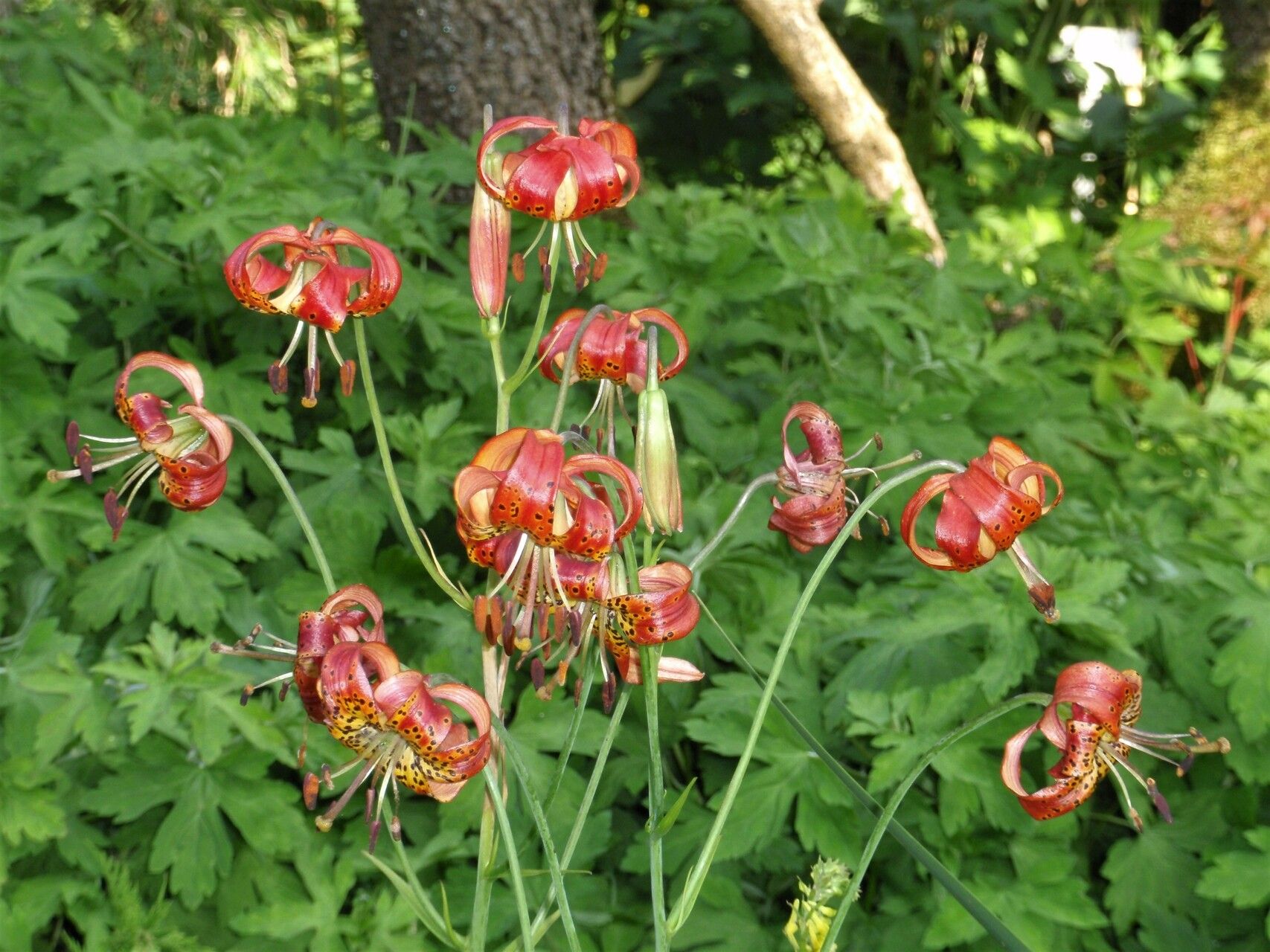
From One to Many: Propagating the Michigan Lily (Lilium michiganense)
The Michigan lily (Lilium michiganense) is a stunning and rare native wildflower, known for its vibrant orange-red blooms and delicate fragrance. These lilies are a joy to observe in their natural habitat, and many gardeners dream of bringing their beauty to their own landscapes. But how can you get your hands on more of these gorgeous plants? Enter the world of propagation!
Understanding the Basics: Sexual vs. Asexual Propagation
There are two main ways to create new Michigan lilies: sexually and asexually.
- Sexual propagation involves using seeds. This method is similar to how lilies reproduce in the wild, relying on pollination to create seeds. While it can be rewarding, it’s often a slower process and can result in variations in the offspring.
- Asexual propagation utilizes parts of the existing plant to create genetically identical clones. This method is quicker and guarantees you’ll get plants that look exactly like the parent. It involves techniques like dividing bulbs or taking stem cuttings.
Let’s Explore the Options:
1. From Seed to Bloom: The Patient Gardener’s Path
- Collecting Seeds: Wait for the lilies to produce seed pods, which will turn brown and dry. Collect the pods and store them in a cool, dry place.
- Sowing Seeds: Sow the seeds in a seed tray or pot filled with a light, well-draining potting mix. Gently press the seeds into the soil but don’t cover them completely.
- Patience is Key: Michigan lily seeds can take up to a year to germinate. Be patient and keep the soil consistently moist.
- Transplanting: Once the seedlings have several true leaves, carefully transplant them into individual pots or outside in a prepared bed.
2. Bulb Division: A Faster Route to More Lilies
- Timing is Everything: The best time to divide Michigan lily bulbs is in the fall, after the foliage has died back.
- Digging and Dissection: Gently dig up the bulbs, being careful not to damage them. Separate the bulbs using a sharp knife or your hands. Ensure each division has at least one growing point (bud).
- Replanting: Immediately replant the divisions in a well-prepared bed with loose, fertile soil. Water them thoroughly after planting.
3. Stem Cuttings: A Thriving Experiment
- The Right Time: Take stem cuttings in the late spring or early summer, when the plant is actively growing.
- Cutting Technique: Select a healthy stem with several nodes. Cut the stem just below a node and remove any leaves below the cut.
- Rooting Hormone: Optional but recommended, use rooting hormone to encourage root development.
- Planting and Care: Plant the cuttings in a pot filled with a rooting mix. Keep the soil consistently moist and provide indirect sunlight.
Important Considerations:
- Michigan lilies prefer moist, well-drained soil and partial shade.
- Protect them from deer, which often find lily bulbs a tasty treat.
- Consider tagging your plants to be sure you know which method you used to propagate them.
In Conclusion:
Propagating Michigan lilies can be a rewarding and fascinating experience. Whether you opt for the slower but satisfying process of growing from seed or choose the quicker method of dividing bulbs, these stunning wildflowers are worth the effort.
Remember to take your time, follow the guidelines, and enjoy the beauty that will blossom from your efforts!