
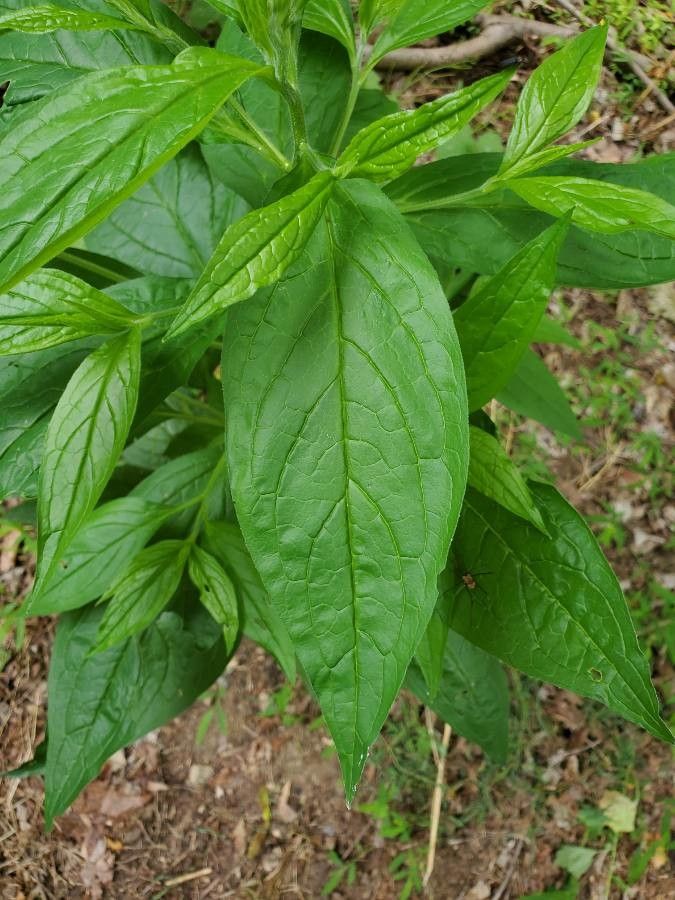
From Seed to Bloom: Mastering the Art of Propagating Franciscan Bluebells
There’s something truly magical about Franciscan Bluebells (Mertensia franciscana). These petite wildflowers, with their delicate, bell-shaped blooms in breathtaking shades of blue, are a sight to behold. But beyond their beauty lies a challenge – they can be a bit finicky to cultivate from seed directly. Fear not, fellow plant enthusiasts! We’ll delve into the secrets of successfully propagating these charming blooms, allowing you to enjoy their ethereal presence in your garden.
Understanding the Challenges:
Franciscan Bluebells are native to California’s coastal bluffs and are adapted to specific growing conditions. They thrive in well-drained, slightly acidic soil, often enriched by the fog that blankets their natural habitat. So, the key to successful propagation lies in mimicking these conditions.
The Methods for Success:
From Seed:
- Timing is Key: Sow seeds in the early fall or late winter (September to March) when they experience a period of cold stratification – a vital step for germination.
- Preparing the Soil: Utilize a seed-starting mix that drains well. Mix it with some perlite or vermiculite to improve drainage further.
- Sowing and Stratification: Sow seeds thinly on the surface, lightly covering them. Place the tray in a cool, shaded area and water regularly. For optimal germination, a period of cold stratification at around 40°F for 6-8 weeks is crucial. Achieve this by placing the seed tray in a refrigerator or an unheated garage.
- Patience is a Virtue: Germination can take several weeks even after stratification. Be patient!
- Division:
- When to Divide: Divide established plants in the early spring or late fall when the plant is dormant.
- The Process: Gently dig around the base of the plant and carefully separate the roots. Each division should have a healthy root system and at least one growth point. Plant the divisions in pots or directly in the ground, ensuring good drainage.
Nurturing Your New Plants:
- Light and Water: While Franciscan Bluebells prefer dappled shade, they do need some sunlight for optimal growth. Aim for a location that receives morning sun and afternoon shade. Water regularly, especially during dry periods, ensuring the soil drains well.
- Soil and Fertilizer: Maintain consistently moist soil and fertilize lightly in the spring with a balanced fertilizer. Overfertilizing can lead to excessive foliage and fewer blooms.
- Protection from Pests: Keep an eye out for aphids and slugs, which can damage the plants. If needed, use horticultural oil or handpick the pests.
Beyond Propagation:
Once established, Franciscan Bluebells are relatively low-maintenance. They can naturalize and spread through self-seeding, creating a beautiful display of blue in your garden. Their delicate beauty, combined with their unique growing habits, makes them truly a special addition to any landscape.
By following these tips, you can successfully propagate and enjoy the stunning beauty of Franciscan Bluebells year after year. So, grab your tools, embrace the challenge, and watch as these charming wildflowers transform your garden into a captivating haven of blue!