
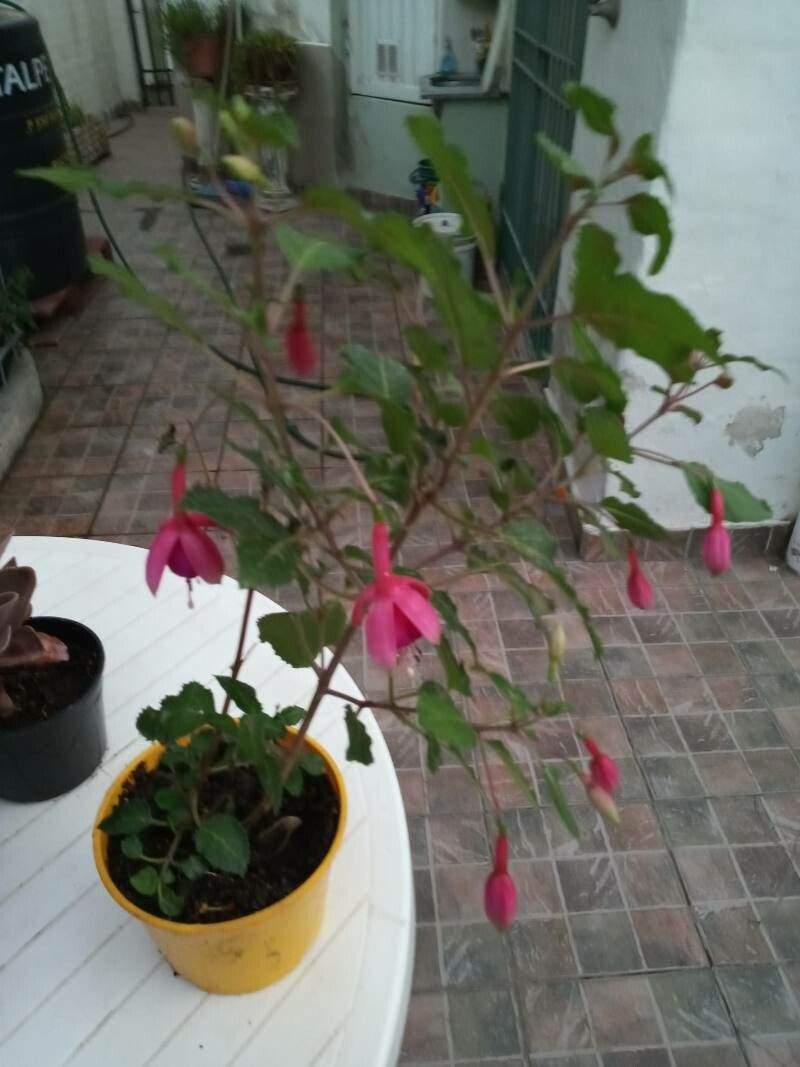
Unlocking the Charm of Fuchsia Alpestris: A Guide to Propagation
The Fuchsia alpestris, with its delicate, bell-shaped blossoms and cascading habit, is a captivating plant that brings a touch of elegance to any garden. But did you know that you can easily create more of this beauty by propagation?
This blog post will guide you through the fascinating world of Fuchsia alpestris propagation, covering the most common methods and crucial tips to help you succeed in growing your own vibrant collection.
The Joys of Propagation
Propagating plants from cuttings or seed is a rewarding experience that allows you to expand your garden effortlessly. It’s also a fun and economical way to share the beauty of Fuchsia alpestris with friends and family.
Methods for Propagation
For Fuchsia alpestris, you can use two primary methods:
1. Cuttings:
- Timing: The best time for cuttings is during the spring or summer when the plant is actively growing.
- Process:
- Select healthy, non-flowering stems with a couple of nodes (the points where leaves grow).
- Cut the stem just below a node using sharp, clean scissors or a knife.
- Remove the bottom leaves, leaving two or three at the top.
- Dip the cut end in rooting hormone to promote root growth.
- Insert the cutting into a pot filled with a well-draining potting mix.
- Gently water and place the pot in a bright, indirect light area.
- Cover the pot with a plastic dome to create a humid environment that encourages rooting.
- Allow the cuttings to root for several weeks, keeping the soil moist but not soggy.
2. Seeds:
- Obtaining Seeds: Collect the seed pods from mature flowers. Once they dry, carefully extract the tiny seeds.
- Sowing: Sow the seeds in a well-draining seed starter mix, gently pressing them into the surface.
- Germination: Water the seeds lightly, cover the tray with plastic wrap, and place it in a warm, bright location. Fuchsia alpestris seeds typically take a few weeks to germinate.
- Transplanting: Once seedlings have developed true leaves, gently transplant them into individual pots.
Essential Tips for Success:
- Choose Healthy Plants: Select cuttings or seeds from vigorous, disease-free Fuchsia alpestris plants for optimal results.
- Provide Adequate Light: Fuchsia alpestris needs bright, indirect light. Avoid direct sunlight as it can burn the foliage.
- Maintain Consistent Moisture: Keep the soil consistently moist, but avoid overwatering, which can lead to root rot.
- Be Patient: Propagation, whether through cuttings or seeds, requires patience. It may take several weeks for the cuttings to root or the seeds to germinate.
Conclusion:
Propagating Fuchsia alpestris allows you to enjoy this beautiful plant in various locations and share its charm with others. By following these guidelines, you can cultivate new plants within your garden and marvel at their graceful beauty.
Fuchsia alpestris propagation is not only a rewarding experience but also a great way to appreciate nature’s wonders. As you nurture these plants, you’ll witness the magic of life unfolding, creating a green haven filled with vibrant colors and delicate blooms.