
From Seed to Sapling: Unlocking the Secrets of Ormosia melanocarpa Propagation
The Ormosia melanocarpa, also known as the “Black Bean Tree” or “Snakewood,” is a captivating and sought-after tree species. Its unique, dark wood with intricate grain patterns makes it a prized material for carving and woodworking. But cultivating these beautiful trees can be a rewarding journey, and it all begins with understanding propagation.
The Two Paths to New Ormosia melanocarpa Trees
There are two main methods for propagating Ormosia melanocarpa:
1. Seed Propagation
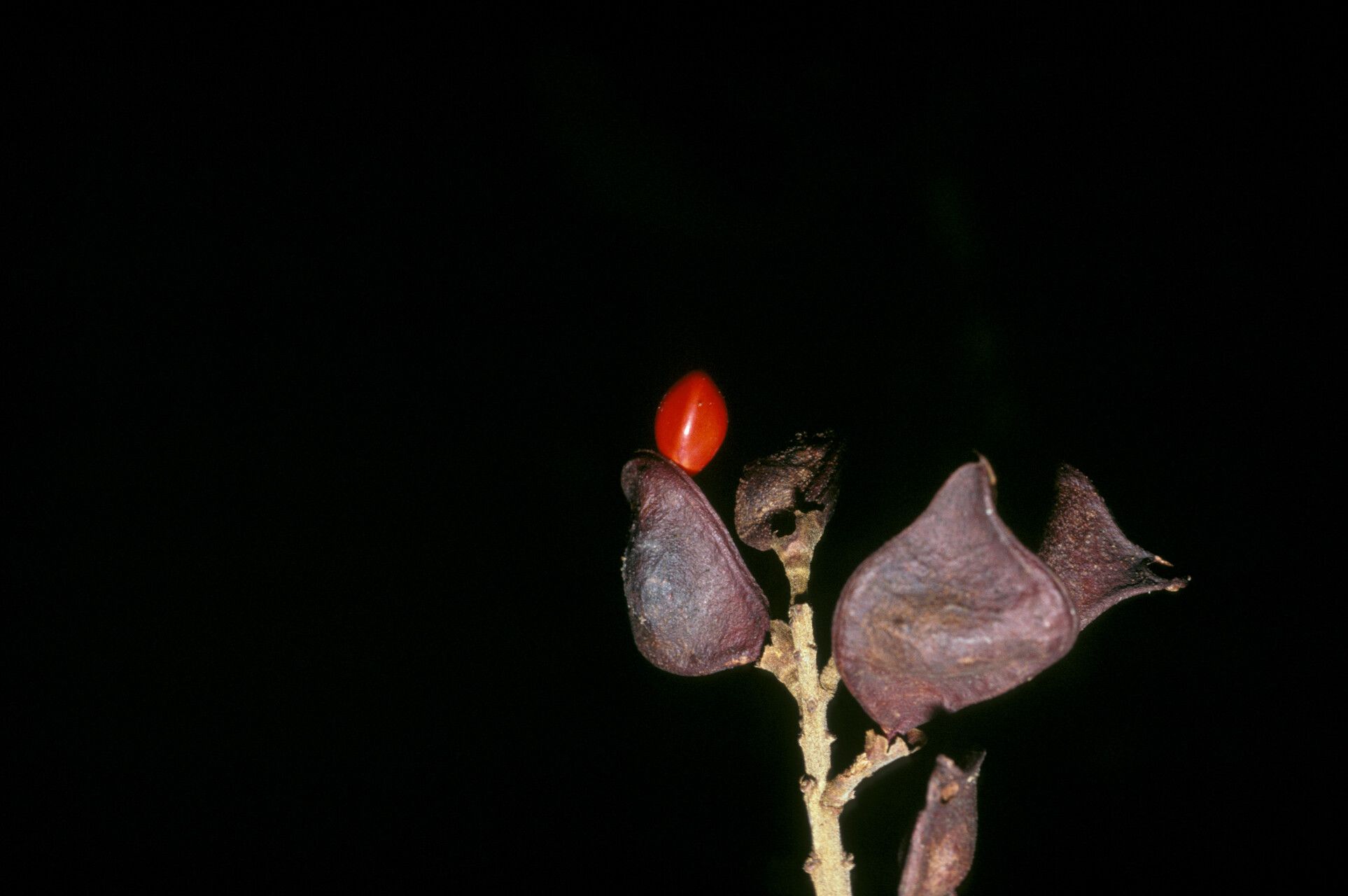
- Harvesting Seeds: The process starts with collecting mature seed pods from the tree. These pods are typically dark brown and somewhat leathery, containing several black, shiny seeds.
- Preparation: Once harvested, the seeds need to be cleaned and prepared for planting. This involves removing the seed coat, which can hinder germination. Methods like scarification (nicking or scraping the seed coat) can help break down the protective layer.
- Sowing and Germination: Ormosia melanocarpa seeds are best sown in a well-drained potting mix. Keep the soil consistently moist (not soggy) and provide moderate light conditions. Germination can take anywhere from a few weeks to several months, so patience is key!
2. Cuttings
- Selecting Cuttings: Softwood cuttings (taken in early summer) or semi-hardwood cuttings (taken in late summer/early fall) are best for propagation. Choose healthy, vigorous stems from the current year’s growth.
- Preparation: Cuttings should be about 6-8 inches long with several leaf nodes. Apply a rooting hormone to the cut end to encourage root development.
- Planting: Plant the cuttings in a well-draining, sterile potting mix. Cover the pot with a clear plastic dome or bag to maintain humidity and warmth. Place the container in a bright, indirect light location and keep the soil moist.
Key Considerations for Success
- Environmental Factors: Ormosia melanocarpa thrives in warm, humid environments. Mimicking these conditions, especially during propagation stages, is essential. A greenhouse or grow room can help regulate temperature and humidity levels.
- Patience and Perseverance: Propagating these trees requires dedication. Seed germination can be slow, and cuttings can take time to develop strong roots. Be prepared to monitor your plants closely and provide the ideal growing conditions.
- Proper Care and Maintenance: Once your seedling or cutting is established, ensure it receives adequate sunlight, water, and nutrients. Proper fertilization and good drainage will help it mature into a healthy, robust tree.
Ormosia melanocarpa: A Rewarding Journey
Propagating Ormosia melanocarpa is a rewarding venture, offering a tangible connection to the natural world. By understanding the process and providing the right care, you can cultivate your own specimen, appreciating its unique beauty and the rich history woven into its intricate wood. Whether you’re a seasoned horticulturalist or just starting out, the journey to growing a Black Bean Tree is an adventure worth embarking on.