
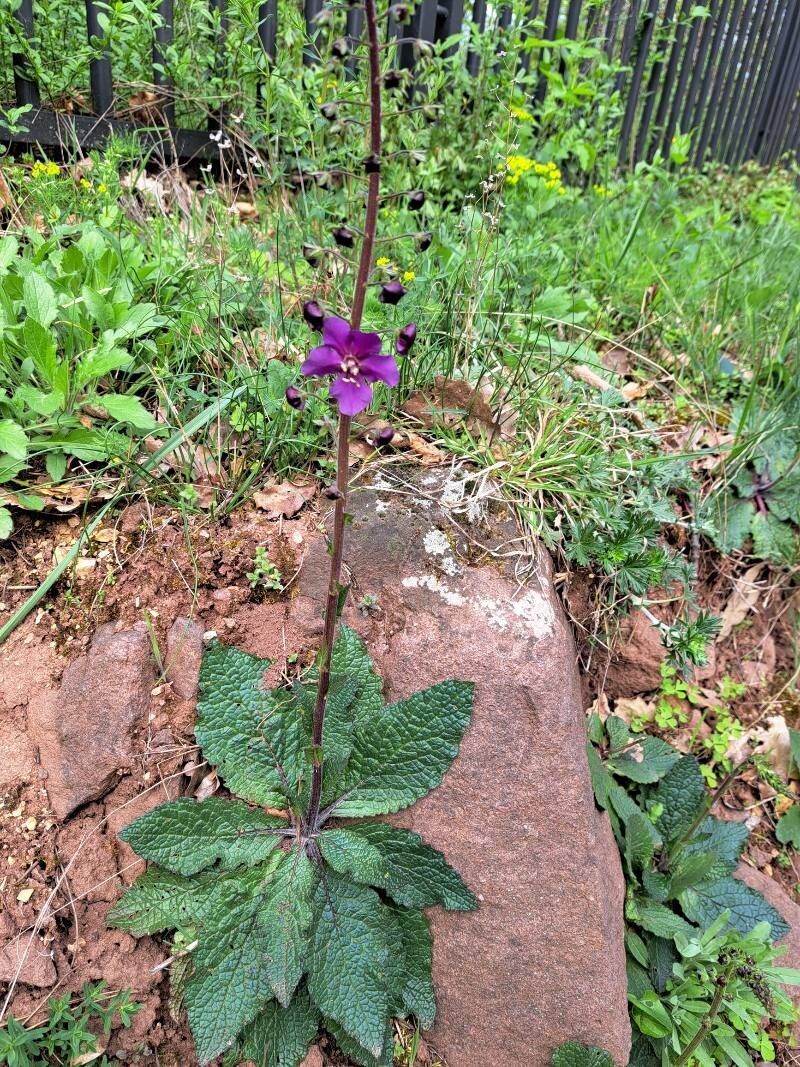
From Seeds to Splendor: Propagating the Vivid Verbascum Phoeniceum
The Verbascum phoeniceum, with its vibrant, spiky blooms that range from deep purple to rosy pink, is a true gem of the garden. This biennial beauty, also known as the purple mullein, can add a burst of color and texture to your landscape, but getting your hands on these plants can be tricky. Fortunately, propagating Verbascum phoeniceum is surprisingly straightforward, even for beginners!
This post will take you through the different methods of propagation for this captivating plant, empowering you to easily create your own little Verbascum paradise.
Starting from Seed: A Simple and Rewarding Journey
The most common method for propagating Verbascum phoeniceum is through seed. This approach allows you to enjoy a continuous succession of blooms and easily create large patches of vibrant color.
- Timing is Key: The ideal time for sowing Verbascum phoeniceum seeds is in the autumn or early spring. If you are starting them indoors, sow seeds in a seed tray filled with seed-starting mix around February or March. For outdoor sowing, wait until the ground has warmed up in late spring.
- Choose the Right Location: Verbascum phoeniceum thrives in full sun and enjoys well-drained soil. Avoid overwatering as these beauties are drought tolerant.
- Sowing and Sprouts: Sow the seeds thinly and barely cover them with soil. Once the seeds germinate, thin them out, leaving the strongest seedlings to flourish.
- Transplanting Time: When the seedlings have a few true leaves, they are ready for transplanting into their permanent location.
Dividing Existing Plants: A Quick and Easy Propagation Method
Another simple method for propagating Verbascum phoeniceum is by dividing established plants. This is a quick and easy way to create new plants, and it works best with clumps of foliage.
- When to Divide: The best time to divide Verbascum phoeniceum is in the spring or autumn when the plant is dormant.
- Dig and Divide: Dig up the plant carefully, trying to minimize root disturbance. Use a sharp knife or spade to divide the plant into individual sections, each with roots and foliage.
- Replant and Water: Replant the divided sections into new locations, spacing them according to the plant’s mature size. Water them well to encourage root development.
Embracing the Root Cuttings Method: A Bit More Advanced but Effective
While less common, propagating Verbascum phoeniceum from root cuttings is a viable option for those seeking a more controlled and consistent growth method.
- Best Time for Cuttings: Prepare root cuttings in early spring or late summer after the plant has finished flowering.
- Harvest and Cut: Gently dig up the plant and select healthy root sections, aiming for those about 2-3 inches long. Trim these root sections into cuttings, leaving a smooth cut at the base.
- Planting and Care: Place the prepared root cuttings in a propagation mix, ensuring the cut end is buried in the mix. Keep the soil consistently moist and protected from direct sunlight.
- Root Development: After several weeks, new shoots should emerge from the cuttings, indicating successful rooting. When the new shoots are established, you can transplant them into their permanent beds.
Tips for Success:
- Patience: Verbascum phoeniceum can take a while to bloom, potentially a year or two to produce a full display.
- Deadheading: Removing spent flower stalks can encourage the plant to produce more blooms and keep its appearance tidy.
- Pest and Disease Management: Verbascum phoeniceum is generally considered pest and disease resistant, but vigilance and prompt action are essential if any issues arise.
Conclusion:
Whether you’re a seasoned gardener or just starting out, propagating Verbascum phoeniceum is a rewarding endeavor. With a little knowledge and the right techniques, you can effortlessly cultivate these vibrant flowers, adding a touch of beauty and enchantment to your garden. So, get sowing, dividing, or making root cuttings, and let the beauty of Verbascum phoeniceum bloom in your garden!