
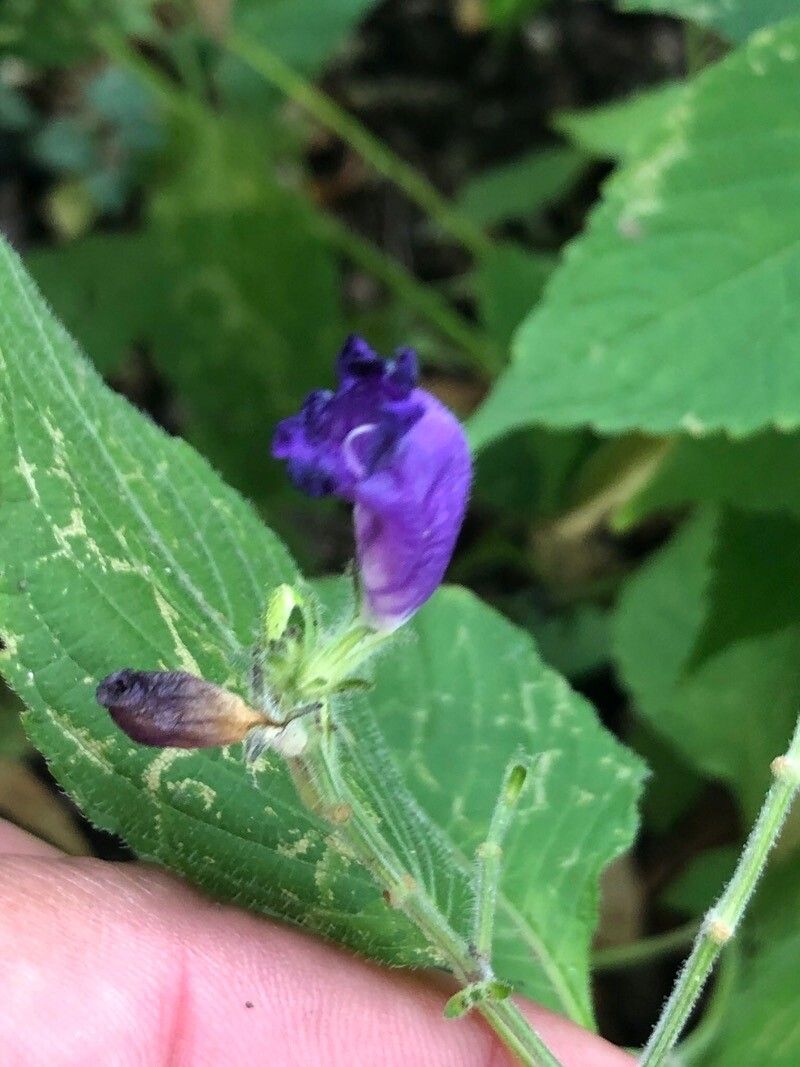
Unleash the Beauty of Persian Shield: A Guide to Propagation
The Persian Shield (Strobilanthes atropurpurea) is a stunning foliage plant known for its striking, iridescent leaves that shimmer with purple, green, and silver tones. This tropical beauty is a conversation starter, but its popularity also comes with a bit of a drawback – it can be a little tricky to keep alive long-term. However, don’t fret! The secret to enjoying this plant year after year lies in the art of propagation.
This guide will take you step-by-step through the process of propagating Persian Shield plants, so you can easily multiply your collection and share the vibrant beauty with friends and family.
The Magic of Stem Cuttings:
Persian Shield is most commonly propagated using stem cuttings. This method is relatively simple and can be achieved even by beginner plant enthusiasts.
Choosing the Right Cuttings:
- Select healthy stems: Choose non-flowering stems that are firm and have at least a few nodes (where leaves grow).
- Make a clean cut: Use a sharp knife or pruning shears to make a clean, angled cut just below a node.
- Remove lower leaves: Strip away the leaves from the bottom 1-2 inches of the stem. This area will be submerged in water or placed in the rooting medium.
Rooting Your Cuttings:
- Water propagation: Place the cuttings in a jar or vase filled with clean water. Make sure the bottom nodes are submerged. Change the water every 2-3 days to prevent bacteria growth.
- Soil propagation: Fill a small pot with a well-draining potting mix. Dip the cut end of the stem in rooting hormone (optional). Make a small hole in the soil with a pencil and carefully insert the cutting. Water thoroughly.
The Waiting Game:
- Patience is key: It can take several weeks for roots to form. Keep the cuttings in a warm, bright, and humid environment. A mini-greenhouse or humidity dome can be very helpful.
- Signs of success: Look for new growth at the top of the cuttings. This means the roots are developing and the cuttings are starting to establish themselves.
Transfer to a Larger Pot:
- Once the cuttings have developed a good root system, you can transplant them into individual pots. Choose a pot that is slightly larger than the root ball.
- Use a well-draining potting mix and water thoroughly.
Maintaining Your New Persian Shield:
- Light and Water: Persian Shield thrives in bright, indirect light. Water when the top inch of the soil is dry.
- Humidity: This plant enjoys a humid environment, especially during the drier months. You can mist the leaves regularly or group it with other plants to increase humidity.
- Fertilization: Feed your Persian Shield with a balanced liquid fertilizer every few weeks during the growing season.
Pro Tips for Success:
- Experiment with rooting hormones: Many types of rooting hormone are available, some specifically formulated for leafy plants like Persian Shield.
- Use a heating mat: A heating mat placed beneath the pot can help speed up rooting.
- Monitor for pests and diseases: Persian Shield can be susceptible to aphids, spider mites, and fungal diseases. Remain vigilant and take action early if you spot any issues.
Conclusion:
Propagating your own Persian Shield plants is a rewarding experience. Not only will you multiply your collection of these beautiful foliage plants, but you’ll also have the thrill of watching new life emerge. With just a little effort and patience, you can enjoy the vibrant, iridescent beauty of Persian Shield for years to come. So, grab your favorite shears, follow our guide, and get ready to unleash the vibrant beauty of Persian Shield in your own home!