Propagating the Cilician Fir (Abies cilicica): A Gardener’s Guide
Introduction
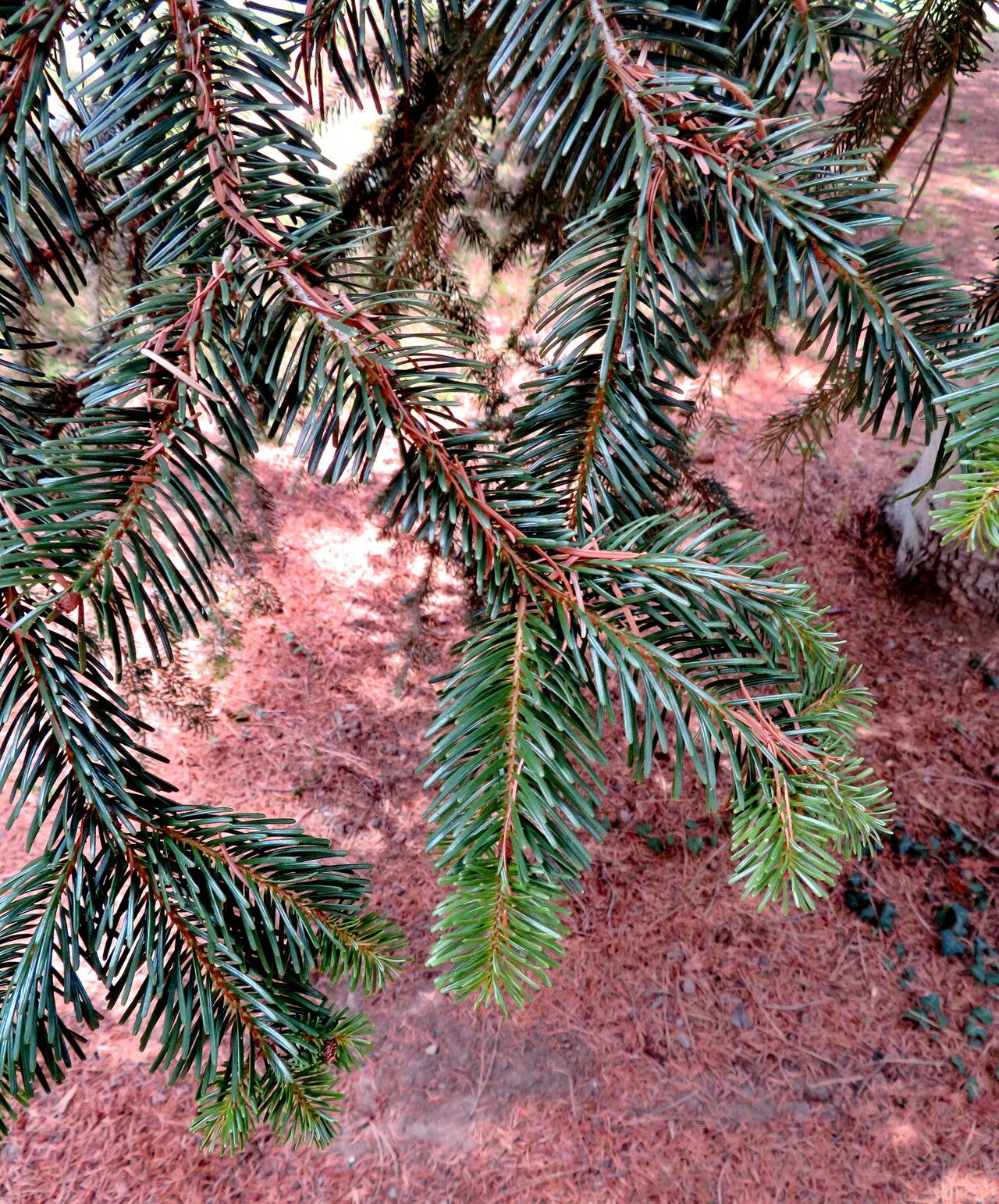
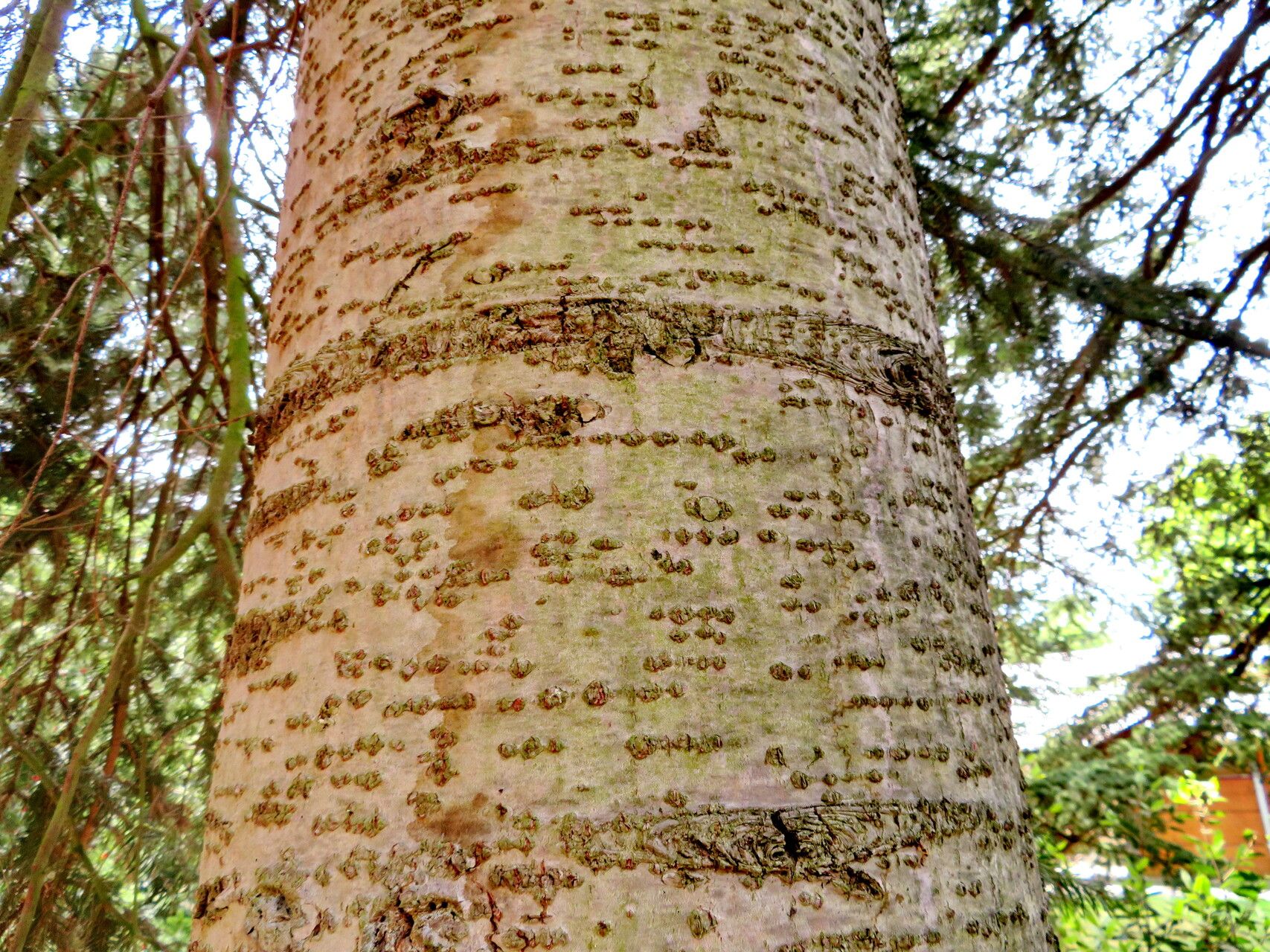
The Cilician Fir ( Abies cilicica) is a majestic evergreen conifer native to the Taurus Mountains of Turkey and surrounding regions. Characterized by its elegant, pyramidal form, fragrant needles, and attractive cones, it holds a special place among discerning gardeners. Its tolerance to a range of conditions, coupled with its striking beauty, makes it a highly desirable addition to landscapes, particularly in larger gardens. However, its propagation presents unique challenges, making successful cultivation a rewarding experience. While not as common as some other fir species, interest in its propagation is growing due to its unique characteristics and increasing awareness of its horticultural potential.
Seed Germination
Seed germination is a viable, albeit challenging, method for propagating Abies cilicica. The primary challenge lies in overcoming seed dormancy. Cilician Fir seeds require a period of cold stratification, mimicking the natural winter conditions of their native habitat.
Challenges: Low germination rates are common unless stratification is carefully managed. Improper handling can lead to fungal diseases affecting the seeds.
Practical Tips: Collect seeds from mature cones in the autumn. Stratify the seeds for 2-4 months at temperatures between 2-5°C (35-41°F) in a moist medium like vermiculite or peat moss. Sow the stratified seeds in a well-drained seed compost, keeping them consistently moist but not waterlogged. Germination typically occurs in spring. Provide adequate light but protect seedlings from direct sunlight.
Rewards: Seed propagation offers the greatest genetic diversity, resulting in a wider range of plant characteristics. This method is also suitable for large-scale propagation, making it ideal for nurseries and reforestation projects.
Cuttings
Currently, there are no known reliable methods for propagation of Abies cilicica from cuttings. Fir species generally prove difficult to propagate vegetatively, requiring specialized techniques and high success rates remain elusive for Abies cilicica.
Division
Division is not a practical method for propagating Abies cilicica. This species develops a deep taproot system, making division extremely challenging and likely resulting in plant mortality.
Tissue Culture
Tissue culture offers a potential, albeit specialized, method for propagating Abies cilicica. While techniques exist for propagating conifers via tissue culture, it requires specialized laboratory equipment, sterile conditions, and expertise in plant tissue culture methodologies.
Challenges: This method is significantly more expensive and complex than seed germination, requiring specific media formulations and growth regulators. Contamination is a major risk.
Practical Tips: Successful propagation through tissue culture requires considerable expertise and access to a suitable laboratory. It is usually best outsourced to specialized nurseries.
Rewards: Tissue culture allows for rapid and large-scale propagation of genetically identical plants, ensuring uniformity and preserving desirable traits.
Conclusion
Propagating Abies cilicica presents various challenges depending on the chosen method. While seed germination offers the most accessible and genetically diverse approach, it still requires careful attention to detail, especially regarding stratification. Cuttings and division are currently impractical. Tissue culture provides a viable option for large-scale propagation of uniform plants but requires specialized expertise and resources.
The unique satisfaction of successfully cultivating this elegant conifer far outweighs the effort involved. Seeing a tiny seedling emerge from a carefully stratified seed, or observing the growth of a plant produced through tissue culture, provides a profound connection to the natural world. For aspiring propagators, patience and persistence are essential virtues. Don’t be discouraged by initial setbacks; the rewards of successfully growing this magnificent tree are truly rewarding. Start with seed germination, learn from each experience, and savor the journey of propagating this beautiful species.