How to Propagate Acanthocalycium thionanthum

Propagating Acanthocalycium thionanthum: A Guide for Cactus Enthusiasts

Introduction

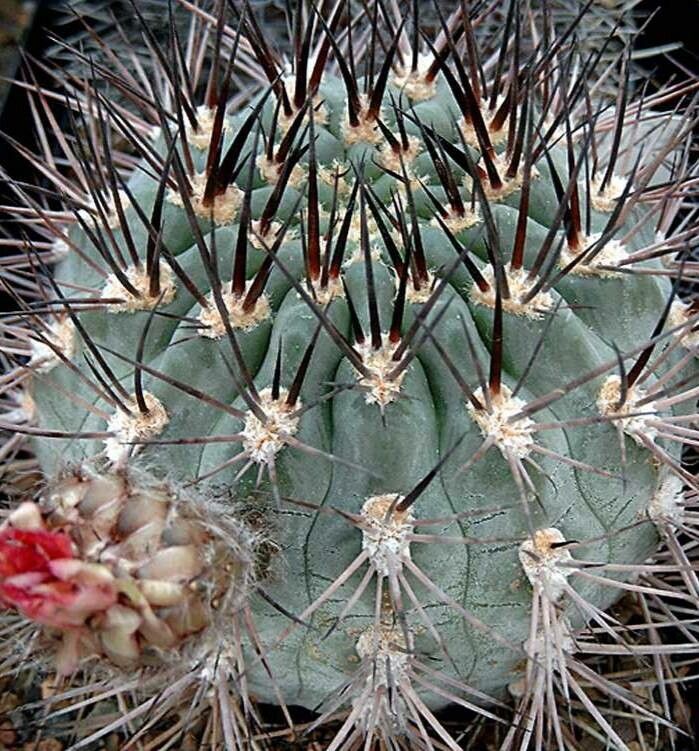
Acanthocalycium thionanthum, commonly known as the "Fishbone Cactus" due to its distinctive, slightly fishbone-like ribs, is a captivating member of the Cactaceae family. Its relatively small size, attractive spiny areoles, and striking, often yellow or white flowers make it a popular choice among cactus enthusiasts. However, propagating this species presents unique challenges due to its relatively slow growth and specific needs. This article explores different propagation methods, weighing their viability and efficacy.

Seed Germination:

Seed germination is a viable method for propagating Acanthocalycium thionanthum, though it requires patience and specific conditions. Challenges include the relatively low germination rate and the susceptibility of seedlings to damping-off (fungal disease).

Challenges: Low germination rates, susceptibility to damping-off.

Tips: Use a well-draining seed-starting mix (e.g., cactus and succulent mix). Sow seeds thinly onto the surface, covering lightly with fine grit. Maintain a consistently warm (20-25°C) and bright, but not directly sunny, environment. Watering should be carefully controlled, avoiding overwatering which promotes fungal growth. Good ventilation is crucial. Stratification (cold treatment) is typically not necessary for this species.

Rewards: High genetic diversity in offspring, potential for large-scale propagation if successful.

Cuttings:

Currently, there are no known reliable methods for propagation of Acanthocalycium thionanthum via cuttings. This species does not readily produce stems suitable for successful rooting.

Division:

Division is a feasible method, albeit with limitations, for propagating Acanthocalycium thionanthum.

Challenges: Requires a mature plant that has produced substantial offsets. Improper division can damage the parent plant or the offsets, leading to failure.

Tips: Carefully separate offsets from the parent plant using a sharp, sterile knife or scalpel. Ensure each offset has sufficient roots or root tissue. Allow the cut surfaces to thoroughly callous over before planting in a well-draining medium. Plant at the same depth as they were previously growing.

Rewards: Relatively faster establishment compared to seed propagation, producing genetically identical plants.

Tissue Culture:

Tissue culture is a viable, though technically demanding, method.

Challenges: Requires specialized equipment, sterile techniques, and a significant knowledge of plant tissue culture methodologies. Success is dependent on the selection of a suitable explant and the precise control of growth environment.

Tips: Experienced laboratories specializing in cactus propagation are best suited for this technique.

Rewards: Large-scale propagation with high success rate and the potential for disease-free plants.

Conclusion:

Propagating Acanthocalycium thionanthum presents a range of challenges, from the low germination rate of seeds to the difficulties associated with cuttings and the specialized nature of tissue culture. Division offers a more practical approach for experienced cultivators with mature plants containing offsets. While each method has its hurdles, the unique satisfaction of successfully nurturing these fishbone cacti from seed, offset, or through tissue culture is rewarding. The slow growth can mean years of observation, offering a deep sense of connection to the plant’s life cycle. Aspiring propagators should start with a few plants and experiment, gradually gaining mastery through trial and error. Remember meticulous care, patience, and a deep appreciation for the intricacies of this fascinating species are key to success.
How to Propagate Acanthocalycium thionanthum

From One to Many: Propagating Your Acanthocalycium thionanthum

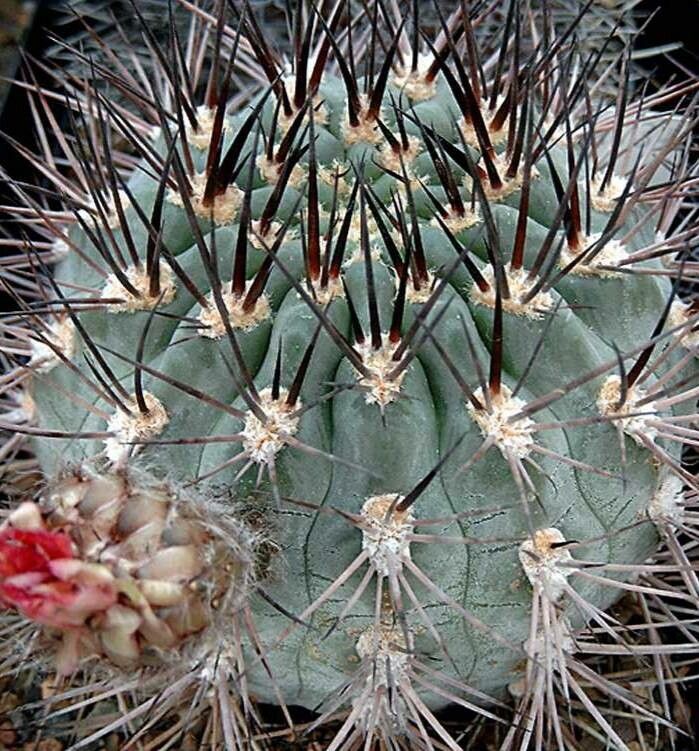
The Acanthocalycium thionanthum, with its unique, spiky allure, is a captivating cactus for any plant enthusiast. But what if you could share that beauty with friends, fill your home with more of these fascinating plants, or even cultivate a whole collection? The answer lies in propagation, and with the right knowledge, it’s easier than you think.

Understanding Acanthocalycium thionanthum Propagation

Acanthocalycium thionanthum, like many cacti, can be propagated through two primary methods:

  • Seeds: This is the most common method and offers the opportunity to grow a large number of plants from a single seed capsule.
  • Cuttings: While less common, cuttings can be a faster way to create new plants, especially for those eager to see results sooner.

Propagation from Seeds

  • Harvesting Seeds: After flowering, Acanthocalycium thionanthum produces seed capsules. These capsules ripen over time and will eventually split open, revealing the small, black seeds within. To collect the maximum number of seeds, it’s recommended to harvest the capsules before they fully split.
  • Sowing Seeds: A well-draining, cactus-specific potting mix is essential for success. Simply scatter the tiny seeds over the surface, lightly press them in, and lightly mist with water. Keep the seeds in a warm, bright location, avoiding direct sunlight, and maintain consistent moisture. Germination can take a few weeks to several months, so patience is key.

Propagation from Cuttings

  • Choosing Cuttings: Select healthy, mature stems from your Acanthocalycium thionanthum for cuttings. Ensure the stems are at least 2-3 inches long and have a good number of areoles (the small bumps where spines and flowers emerge).
  • Preparation: Allow the cuttings to dry for a few days, forming a callus over the cut end. This helps prevent rotting when planted.
  • Planting: Select a well-draining potting mix designed for cacti. Insert the calloused end of the cuttings into the mix, ensuring the base is slightly buried. Keep the cuttings in a warm, bright location, avoiding direct sunlight, and allow the soil to dry out completely between waterings.

Caring for your Propagated Acanthocalycium thionanthum

  • Light: Acanthocalycium thionanthum thrives in bright, indirect light. They can tolerate some direct sunlight but are best protected during the hottest part of the day.
  • Watering: These cacti prefer to dry out completely between waterings. Overwatering is a common cause of root rot, so it’s crucial to allow the soil to dry out thoroughly before giving it another drink.
  • Fertilizer: Acanthocalycium thionanthum doesn’t require frequent feeding. Use a balanced cactus fertilizer diluted to half strength during the growing season (spring and summer).

Pro Tips for Success

  • Sterilization: Before planting seeds or cuttings, sterilize the pots, tools, and potting mix to prevent fungal infections.
  • Patience: Propagation takes time. Don’t get discouraged if you don’t see results immediately.
  • Observational Learning: Carefully observe your Acanthocalycium thionanthum, and note its growth habits. This will help you understand its needs and provide optimal conditions for successful propagation.

Conclusion

Propagating your Acanthocalycium thionanthum can be a rewarding experience, leading to a flourishing collection of these uniquely beautiful cacti. From the initial planting to caring for the newly grown plants, each step offers a chance to deepen your connection with these remarkable desert dwellers. So, gather your seeds or cuttings, follow these steps, and watch as your home blooms with the captivating presence of Acanthocalycium thionanthum.