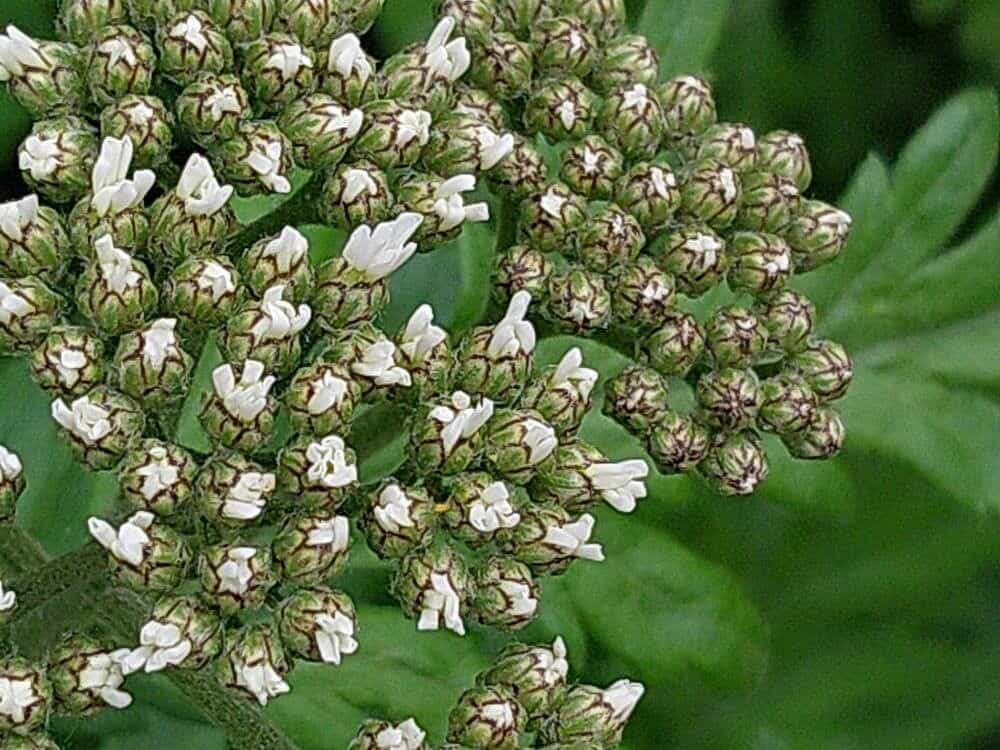
Propagating Achillea grandifolia: The Giant Yarrow’s Propagation Puzzle
Introduction
Achillea grandifolia, commonly known as large-leaved yarrow or giant yarrow, is a striking perennial prized for its large, ferny foliage and abundant clusters of creamy-white or yellow flowers. Its robust nature and tolerance of various conditions have made it a popular choice among gardeners seeking low-maintenance, eye-catching additions to their borders or wildflower meadows. However, propagating this impressive plant presents a unique set of challenges. While readily available commercially, understanding its propagation methods can unlock the potential for creating more plants and introducing genetic diversity to existing collections.
Seed Germination
Currently, there are no known reliable methods for seed germination propagation of Achillea grandifolia. While seeds may be produced, germination rates are notoriously low and unpredictable, rendering this method impractical for most gardeners.
Cuttings
Propagation via cuttings offers a more reliable approach compared to seed germination.
Challenges: While semi-hardwood cuttings taken in late summer or early autumn can be successful, rooting success rates aren’t always high. Factors like humidity, temperature, and the use of rooting hormones play a crucial role.
Practical Tips: Take cuttings of about 4-6 inches in length from non-flowering stems. Remove lower leaves to prevent rot. Dip the cut ends in rooting hormone powder and plant them in a well-draining propagating mix (e.g., perlite and peat moss). Maintain high humidity (using a propagator or plastic bag) and avoid direct sunlight. Regular misting is essential.
- Rewards: Cuttings allow for the propagation of specific desirable traits from existing plants. It’s a relatively quick method compared to division, allowing for a faster increase in the number of plants.
Division
Division is perhaps the most straightforward and successful method for propagating Achillea grandifolia.
Challenges: Division is best undertaken in spring or autumn when the plant is actively growing or dormant, respectively. Dividing too early or late can stress the plant and reduce success rates. Properly separating the root crown without damaging the plant is key.
Practical Tips: Carefully dig up the established plant. Use a sharp knife or spade to divide the root crown into sections, each with several healthy shoots and roots. Replant the divisions immediately, ensuring adequate spacing for future growth. Water thoroughly after planting.
- Rewards: Division is a reliable method that offers a high success rate. It’s relatively simple and allows for the rapid increase of the number of plants.
Tissue Culture
While tissue culture is a viable propagation method for many plants, it is typically reserved for large-scale commercial operations due to the specialized equipment, expertise, and sterile conditions required.
Challenges: Establishment of aseptic culture, selection of suitable explants, and optimization of nutrient media are crucial for successful tissue culture of Achillea grandifolia. This method requires a significant investment in equipment and expertise.
Practical Tips: This method is best left to professional nurseries and laboratories. Further research into specific protocols for Achillea grandifolia would be needed before attempting this at home.
- Rewards: Tissue culture allows for mass production of cloned plants, ensuring uniformity and rapid expansion of desirable genotypes. It also allows for the elimination of diseases.
Conclusion
Propagating Achillea grandifolia presents challenges, with seed germination being unreliable. Cuttings offer a reasonable alternative, but success hinges on careful technique, while division remains the most practical and rewarding approach for home gardeners. Tissue culture is a more advanced option suitable for specialist propagation. Though the process may be demanding, the satisfaction of successfully nurturing a new generation of these magnificent plants, born from your own efforts, far outweighs the initial difficulties. Don’t be discouraged – start with division, embrace the learning curve, and enjoy the flourishing results!