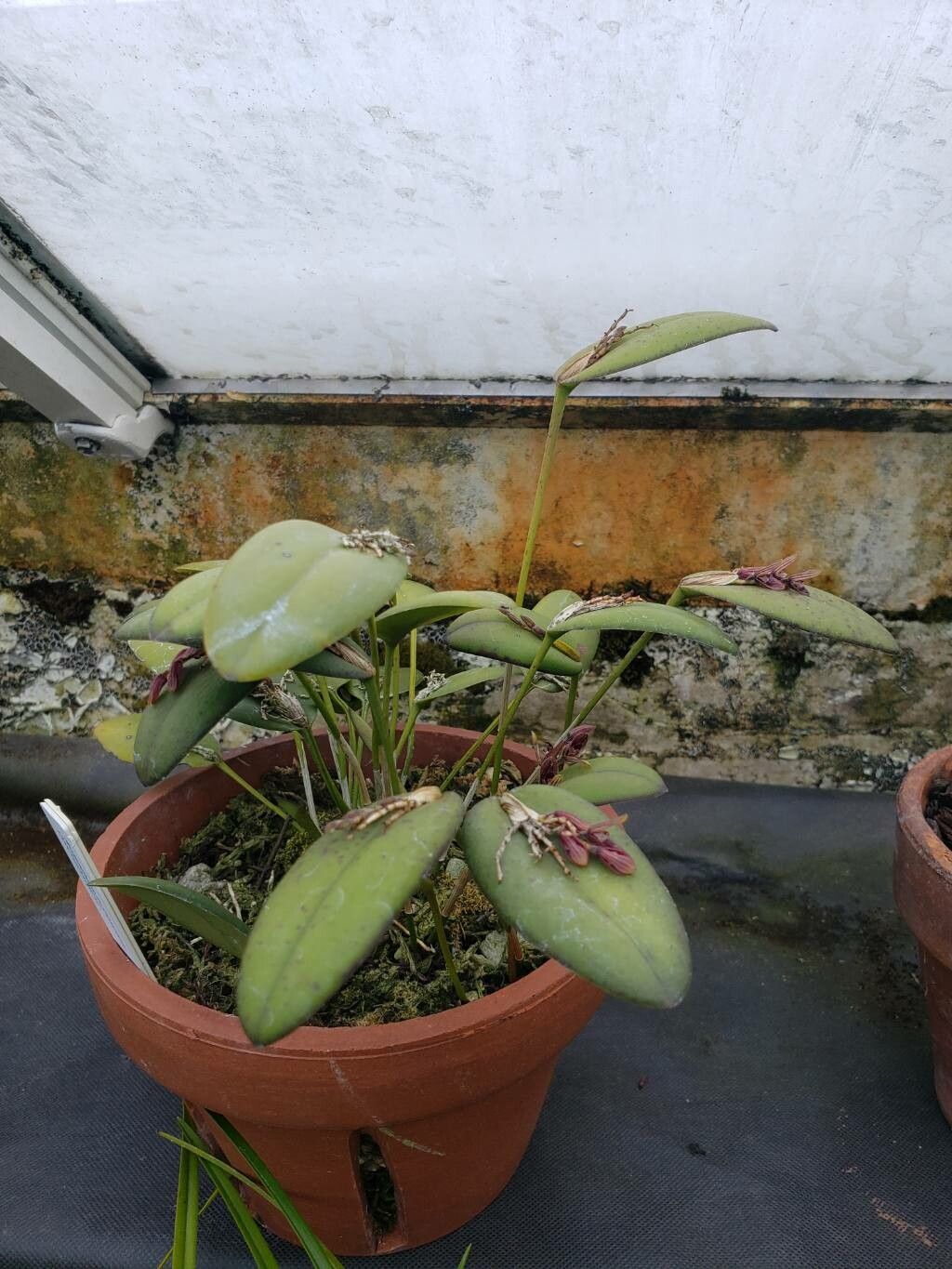
Propagating Acianthera pubescens: A Gardener’s Guide
Introduction:
Acianthera pubescens, sometimes called the "hairy Acianthera" due to its slightly fuzzy leaves, is a captivating miniature orchid species native to Brazil. Its small size, delicate flowers, and relatively easy cultivation have made it a favorite among orchid enthusiasts. Unlike some larger, more commercially propagated orchids, Acianthera pubescens presents unique challenges in propagation, making successful propagation all the more rewarding. This article explores various methods, highlighting both their practicalities and difficulties.
Seed Germination:
Currently, there are no known reliable methods for seed germination propagation of Acianthera pubescens. Orchid seeds are famously minute and require a symbiotic relationship with specific mycorrhizal fungi for successful germination. Reproducing these conditions artificially for this particular species remains a significant hurdle for home cultivators. Professional laboratories employing sophisticated tissue culture techniques might be successful but this method is largely unavailable to hobbyists.
Cuttings:
Cuttings are not a viable method for propagating Acianthera pubescens. Unlike some plants that readily root from stem cuttings, this orchid lacks the necessary physiological mechanisms for this type of vegetative propagation. Attempts at stem cutting propagation will almost certainly fail.
Division:
Division is the most practical and reliable method for propagating Acianthera pubescens. This involves carefully separating mature plants into smaller divisions, each containing sufficient roots and pseudobulbs.
Challenges: The biggest challenge lies in carefully dividing the rhizome without damaging the delicate roots and pseudobulbs. Overly aggressive division can lead to plant stress and failure to thrive.
Practical Tips: The best time for division is during the active growing season. Use a sharp, sterilized knife or scalpel to minimize damage. Ensure each division has at least 3-5 pseudobulbs and a healthy portion of roots. Plant the divisions in well-draining orchid bark mix, keeping them slightly moist but not waterlogged.
Rewards: Division offers a relatively simple method of increasing your stock of Acianthera pubescens. It’s also the most likely method to maintain the genetic characteristics of the parent plant.
Tissue Culture:
Tissue culture offers the potential for large-scale propagation of Acianthera pubescens, though it requires specialized equipment, aseptic techniques, and considerable expertise.
Challenges: Establishing a sterile laboratory environment, selecting the appropriate media, and optimizing growth conditions are all highly technical and require significant investment in both time and resources. Contamination is a major risk.
Practical Tips: This method is best left to specialized orchid laboratories. Home enthusiasts won’t likely have access to the required equipment and technical knowledge.
Rewards: Tissue culture allows for rapid and mass propagation, producing many genetically identical plants from a small sample of source material. This is critical for conservation efforts involving rare species.
Conclusion:
Propagating Acianthera pubescens presents unique challenges. While seed germination and cuttings are not currently viable options, division remains the most accessible and successful method for home growers. Tissue culture offers the greatest potential for large-scale propagation but is impractical for most hobbyists. The difficulties involved highlight the unique satisfaction that comes with successfully cultivating and propagating this beautiful orchid. The patience and attention to detail required are handsomely rewarded by the flourishing plants that result. For aspiring propagators, remember that success comes with practice, careful observation, and a thorough understanding of the plant’s needs. Start with division, master that technique, and the rewards will be sweet.