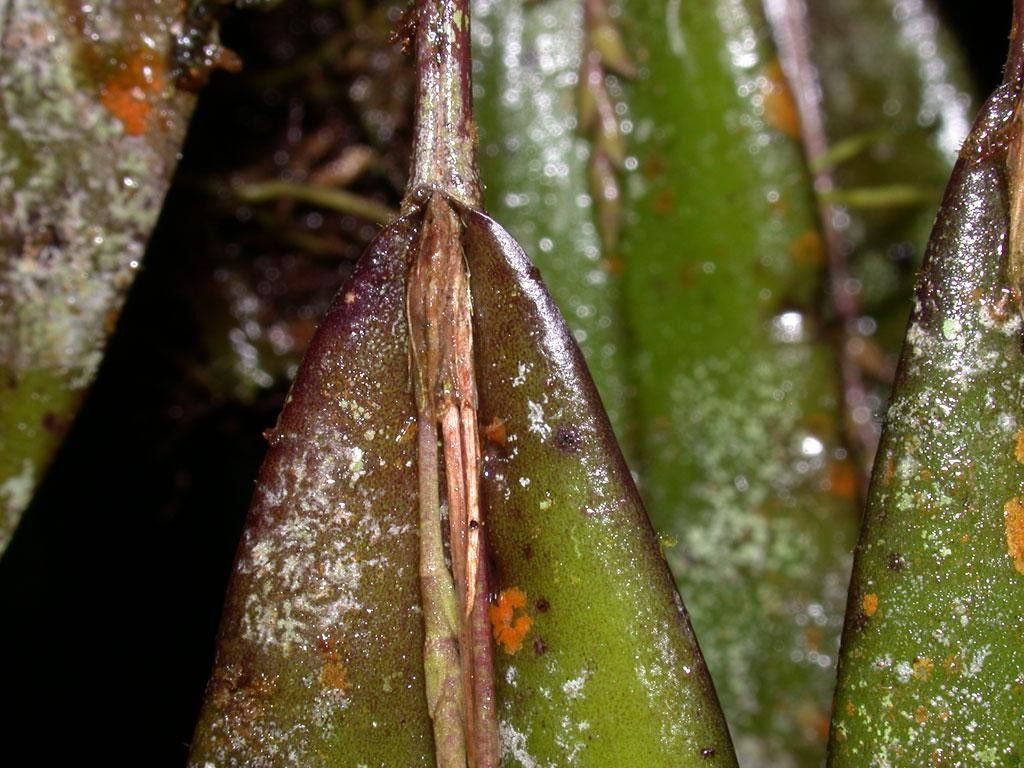
Propagating Acianthera verecunda: A Challenge Worth Embracing
Acianthera verecunda, a diminutive orchid often called the "shy Acianthera" due to its delicate and retiring nature, captivates orchid enthusiasts with its intricate flowers and resilient character. Its small size and relatively easy cultivation in suitable conditions contribute to its growing popularity amongst home growers. However, propagating this species presents unique challenges, making success all the more rewarding. This article explores various propagation methods, weighing their feasibility and highlighting the specific hurdles and triumphs associated with each.
Seed Germination:
Currently, there are no known reliable methods for seed germination propagation of Acianthera verecunda. Orchid seeds, including those of Acianthera verecunda, are dust-like and lack endosperm, requiring a symbiotic relationship with specific mycorrhizal fungi for germination. Establishing this symbiotic relationship in a laboratory setting is highly specialized and technically demanding, far beyond the capabilities of most home growers. Therefore, seed germination is currently not a practical propagation method for this species.
Cuttings:
Cuttings are also generally not a viable method for propagating Acianthera verecunda. Unlike some other orchid genera, Acianthera species do not readily root from stem cuttings. Attempts at vegetative propagation through stem or leaf cuttings usually result in failure due to the lack of sufficient meristematic tissue capable of forming roots and shoots.
Division:
Division is the most practical and reliable method for propagating Acianthera verecunda. This involves carefully separating a mature plant into multiple divisions, each containing a portion of the rhizome and several active pseudobulbs with healthy roots.
Challenges: Successfully dividing Acianthera verecunda requires patience and a delicate touch. Damaging the rhizome can easily kill the entire division. Furthermore, smaller divisions may take longer to establish themselves and are more susceptible to disease or rot.
Practical Tips: Sterilize your cutting tools before and after each cut, to prevent the spread of disease. Ensure each division has sufficient roots and pseudobulbs. Plant the divisions in a well-draining, orchid-specific potting mix, and maintain high humidity and adequate air circulation.
Rewards: Division offers a relatively quick and reliable method to increase the number of plants. It maintains the genetic characteristics of the parent plant.
Tissue Culture:
Tissue culture provides the most scalable method for propagating Acianthera verecunda. This laboratory technique involves growing plantlets from sterile tissue samples under controlled conditions.
Challenges: Tissue culture requires specialized equipment, sterile techniques, and a considerable amount of technical expertise. It’s expensive and time-consuming, making it impractical for most hobbyists. Identifying optimal growth media for Acianthera verecunda would also require experimentation.
Practical Tips: This method is best left to experienced orchid labs or specialist nurseries.
Rewards: Tissue culture offers the potential for mass production and the preservation of rare or endangered varieties.
Conclusion:
Propagating Acianthera verecunda presents challenges, primarily the unsuitability of seed germination and cuttings. Division is the most accessible method for amateur growers, demanding care, precision, and patience. Tissue culture remains the most efficient method for large-scale propagation but requires specialized knowledge and resources. Despite these hurdles, the reward of cultivating this beautiful orchid through successful division or by commissioning a tissue culture from a specialist is immensely satisfying. It’s a reminder that the challenges inherent in cultivating specific plants can contribute significantly to the joy and pride experienced upon achieving success. Aspiring propagators should start with the division method, perfecting their technique before venturing into the complex world of tissue culture. The shy Acianthera, once successfully propagated, will readily reward the patient grower with its delicate beauty.