
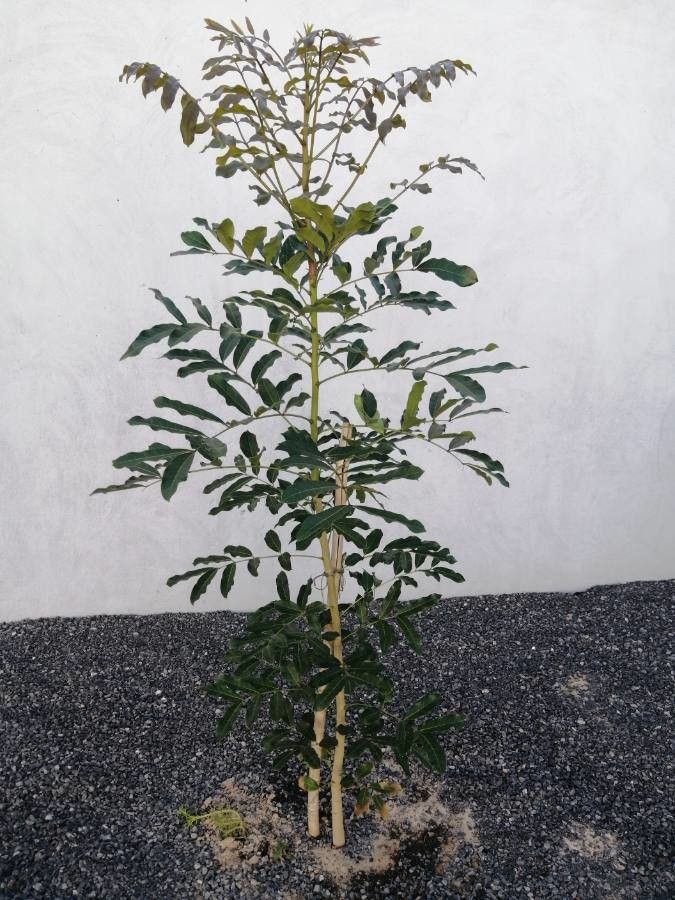
Unlocking the Giants: A Guide to Propagating African Mahogany (Khaya ivorensis)
The African Mahogany (Khaya ivorensis) stands as a testament to nature’s grandeur. Towering over forests with its impressive stature and prized for its durable, reddish-brown timber, this tree is more than just a pretty sight. It plays a vital role in ecosystems and local economies. Are you fascinated by this majestic species and want to try your hand at propagating it? Let’s delve into the world of Khaya ivorensis propagation.
The Power of Seeds: Your Primary Propagation Path
For the home grower, seed propagation reigns supreme when it comes to African Mahogany. Here’s your step-by-step guide to success:
- Source Fresh Seeds: Begin with viable seeds, the cornerstone of any propagation endeavor. You can often find reputable online vendors specializing in tropical tree seeds.
- Break Dormancy (Optional): While not strictly necessary, some experts recommend soaking the seeds in warm water for 24 hours to improve germination rates. This can help soften the tough outer shell.
- Prepare a Welcoming Medium: African Mahogany seeds appreciate a well-draining yet moisture-retentive medium. A mixture of peat moss and perlite or a seed-starting mix will do the trick.
- Sow Your Seeds: Plant each seed about an inch deep in your chosen medium. Keep the soil consistently moist but not waterlogged.
- Patience is Key: Germination times can vary, ranging from a few weeks to a couple of months. Place your seed tray in a warm, bright location, out of direct sunlight. A heating mat can be beneficial, especially in cooler climates.
Beyond Seeds: Exploring Other Propagation Methods
While seeds are the most common and accessible method, African Mahogany can also be propagated through cuttings. This method, however, is more technically challenging and typically reserved for experienced growers or commercial settings.
- Cuttings: Semi-hardwood cuttings, taken from healthy branches during the growing season, can be used. Rooting hormones and controlled environments are often necessary to encourage root development.
Nurturing Your African Mahogany Sapling
Successfully germinating seeds is just the first step. Here’s how to give your young saplings the best start:
- Light: As seedlings develop, gradually introduce them to increasing amounts of sunlight. African Mahogany thrives in full sun conditions.
- Water: Water regularly, ensuring the soil remains consistently moist but not waterlogged. Allow the top inch of soil to dry out slightly between waterings.
- Fertilizer: Young trees benefit from regular fertilization during the growing season. Use a balanced, slow-release fertilizer to provide essential nutrients.
The Rewards of Patience and Dedication
Growing African Mahogany from seed is a journey that requires patience and dedication. But seeing the iconic reddish leaves unfurl on a tree you nurtured from a tiny seed is an incredibly rewarding experience. You’ll not only be cultivating a beautiful and valuable tree but also contributing to the conservation of this magnificent species.