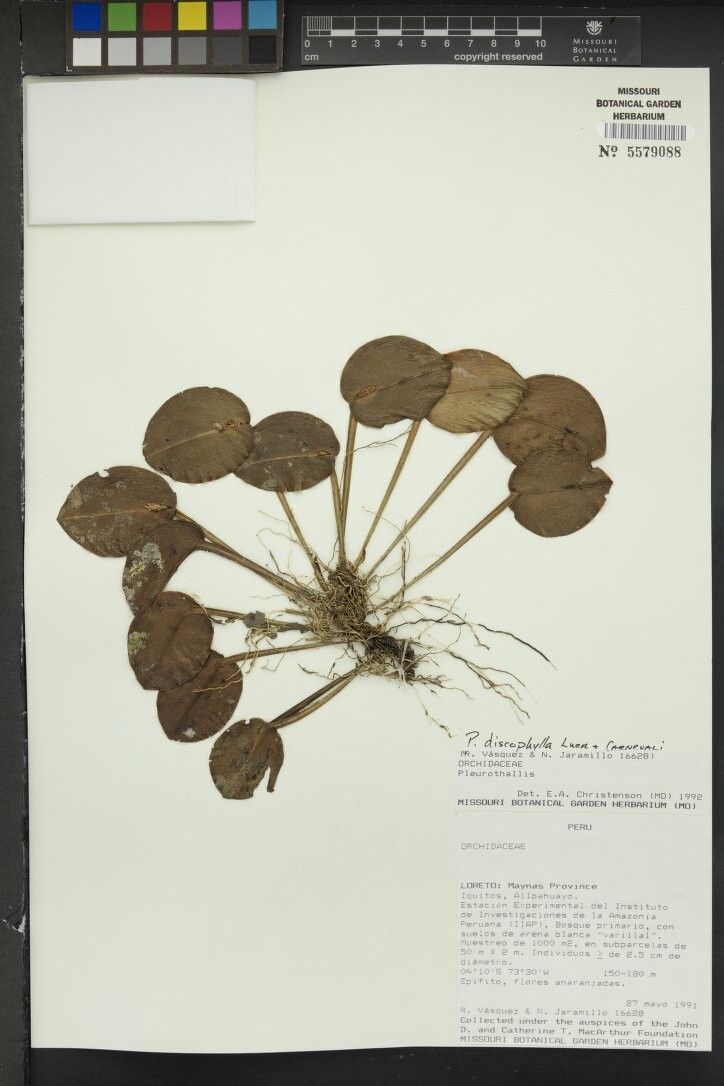
Propagating Acianthera discophylla: A Gardener’s Guide
Introduction
Acianthera discophylla, sometimes known as the "disc-leaved Acianthera," is a captivating miniature orchid species prized for its delicate, rounded leaves and charming inflorescences bearing small, but intricately patterned flowers. Its compact size makes it an attractive choice for orchid enthusiasts, particularly those with limited space. However, propagation can present unique challenges. Its popularity stems not only from its aesthetic appeal but also from a desire to share this beautiful species and expand its cultivation. Understanding the nuances of propagating Acianthera discophylla is key to its successful cultivation.
Seed Germination
Currently, there are no known reliable methods for seed germination propagation of Acianthera discophylla. Orchid seeds, including those of Acianthera, are dust-like and lack endosperm (the nutrient store typically found in seeds). They require a symbiotic relationship with specific mycorrhizal fungi for successful germination, a complex process rarely achievable in home settings. While specialized laboratories might employ in-vitro techniques, seed germination for this species at home remains practically impossible.
Cuttings
Cuttings are generally not a viable method for propagating Acianthera discophylla. Unlike some plants that can regenerate from stem or leaf cuttings, Acianthera discophylla, like many orchids, lacks the necessary regenerative capabilities from these fragments. Attempts at cutting propagation would likely result in the death of the cutting material.
Division
Division is the most reliable method for propagating Acianthera discophylla. This involves carefully separating a mature plant into multiple smaller sections, each containing roots and several pseudobulbs (the swollen stem bases).
Challenges: Successfully dividing an Acianthera discophylla requires patience and a delicate touch. Damaging the roots severely can hinder the survival of the divisions.
Practical Tips: The best time to divide is during the active growth phase, usually after flowering. Use a sharp, sterile knife or shears to minimize damage. Ensure each division has a healthy root system and at least 3-4 pseudobulbs for a higher chance of survival. Repot the divisions into a well-draining orchid potting mix, keeping them slightly moist but not waterlogged.
Rewards: Division allows for relatively quick propagation, increases the number of plants, and maintains the parent plant’s genetic characteristics.
Tissue Culture
Tissue culture presents a viable, albeit technically demanding, method for propagating Acianthera discophylla.
Challenges: Tissue culture requires sterile laboratory conditions, specialized equipment, and a thorough understanding of plant tissue culture techniques, including media preparation and sterilization protocols. This is generally not feasible for amateur gardeners.
Practical Tips: If attempting tissue culture, it is recommended to seek guidance from experienced professionals or laboratories specializing in orchid propagation. The process involves isolating small plant segments and cultivating them in a nutrient-rich, sterile agar medium.
Rewards: Tissue culture allows for the mass propagation of Acianthera discophylla, producing a large number of genetically identical plants in a relatively short time. It also offers the potential for disease eradication in selected plant material.
Conclusion
Propagating Acianthera discophylla presents varying degrees of difficulty depending on the chosen method. While seed germination and cuttings are currently impractical, division offers a reasonably achievable method for home cultivators. Tissue culture remains a highly specialized professional technique. The challenge inherent in the propagation process only adds to the satisfaction derived from successfully cultivating this beautiful miniature orchid. The careful division of a mature plant and nurturing its progeny into healthy, flowering individuals, is a rewarding testament to patience and dedication. Whether through division or navigating the complexities of tissue culture, the journey of propagating Acianthera discophylla offers a unique and fulfilling experience for the determined orchid enthusiast.