
Propagating Acmella pusilla: A Gardener’s Guide to the Toothache Plant
Introduction
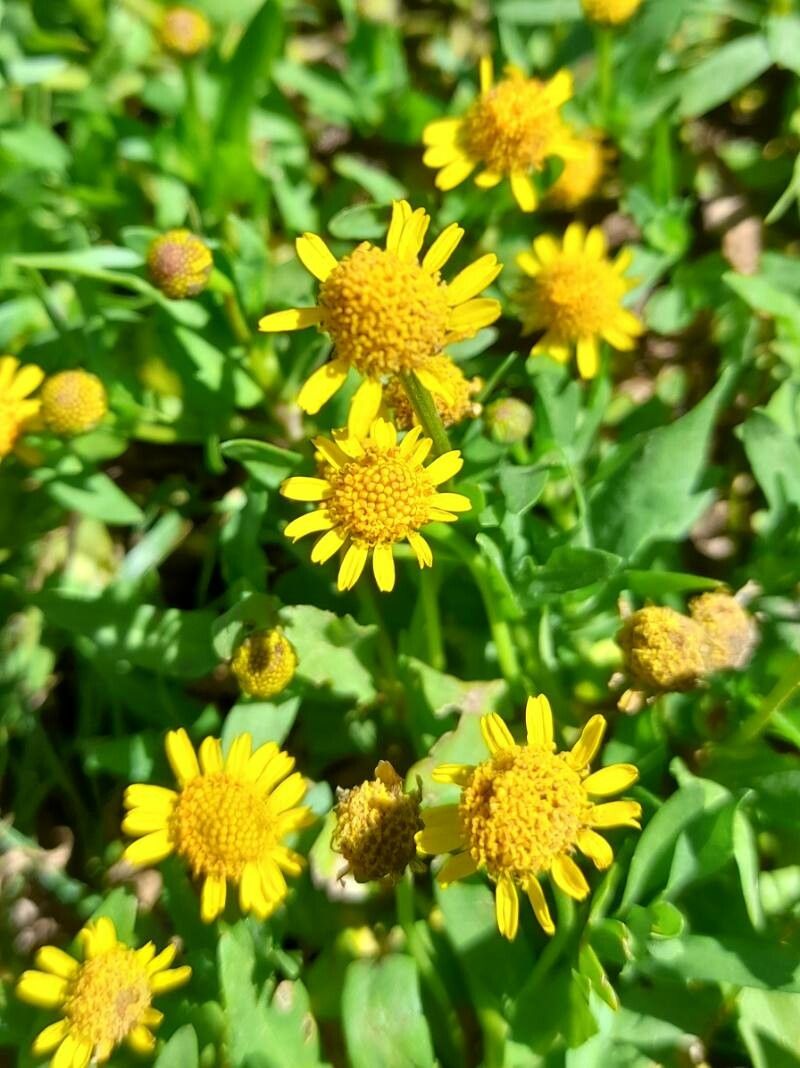
Acmella pusilla, commonly known as the toothache plant or electric daisy, is a captivating annual herb prized for its unique, intensely tingling flowers. Its small, daisy-like blooms boast a vibrant yellow center surrounded by spiky, ray-like petals. Beyond its ornamental value, Acmella pusilla is celebrated for its traditional medicinal uses, particularly for relieving toothaches and numbing the mouth. This has contributed to its increasing popularity among gardeners, but propagating this intriguing plant presents unique challenges. This article explores various propagation methods, weighing their viability and revealing the rewards that await the determined cultivator.
Seed Germination
Currently, there are no known reliable methods for seed germination propagation of Acmella pusilla. While the plant does produce seeds, germination rates are notoriously low and unpredictable, presenting significant obstacles to successful propagation from seed. Further research is needed to establish optimal conditions for seed germination, should this become feasible in the future.
Cuttings
- Viability: Propagating Acmella pusilla through stem cuttings is a relatively reliable method.
- Challenges: Success hinges on creating and maintaining the right environment to prevent rot and encourage root development. The cuttings are susceptible to fungal diseases if humidity is not carefully managed. Using clean tools and rooting hormone significantly improves success rates.
- Practical Tips: Take 4-6 inch cuttings from healthy, non-flowering stems in spring or summer. Remove lower leaves to prevent rotting. Dip the cut end in rooting hormone and plant into a well-draining propagation mix (e.g., a mix of perlite and peat moss). Cover the cuttings with a humidity dome or plastic bag to maintain high humidity. Provide bright, indirect light and keep the medium consistently moist but not soggy. Rooting typically takes 2-4 weeks.
- Rewards: Relatively high success rate, allowing for the quick propagation of a desired cultivar.
Division
- Viability: Division is a feasible method, particularly for slightly mature plants that have developed multiple stems.
- Challenges: Care must be taken to avoid damaging the delicate roots of the plant during division. Each division should ideally include several healthy stems and a good root system for a successful transplant.
- Practical Tips: Gently dig up the mature plant and carefully separate it into several smaller portions, ensuring each portion has ample roots and shoots. Plant the divisions in well-draining, fertile soil, watering thoroughly after planting.
- Rewards: Allows for easy multiplication of existing plants and maintains the genetic characteristics of the mother plant.
Tissue Culture
- Viability: Tissue culture techniques offer potential for large-scale propagation and disease-free plants, but this method is complex and requires specialized equipment and expertise.
- Challenges: Establishing sterile conditions and maintaining a contaminant-free environment is crucial. The optimization of growth media and hormone levels requires detailed knowledge and experimentation.
- Practical Tips: This method is best left to professionals or experienced plant tissue culturists. Use sterile procedures, appropriate growth media supplemented with plant hormones (auxins and cytokinins), and a controlled environment with appropriate lighting and temperature.
- Rewards: Disease-free clones in large quantities, ideal for commercial propagation and preserving rare cultivars.
Conclusion
Propagating Acmella pusilla presents various challenges and rewards depending on the chosen method. While seed propagation remains elusive, cuttings and division offer reliable ways to multiply existing plants. Tissue culture holds promise for large-scale propagation but demands specialized skills and facilities. The unique tingling sensation provided by this plant’s blooms and the satisfaction of successfully overcoming the propagation obstacles make the effort truly rewarding. For aspiring propagators, patience, attention to detail, and a willingness to learn from successes and failures are vital keys to unlocking the propagation potential of this fascinating and flavorful plant. Don’t be discouraged by setbacks; the persistent gardener will ultimately be rewarded with a thriving collection of these fascinating little daisies.
